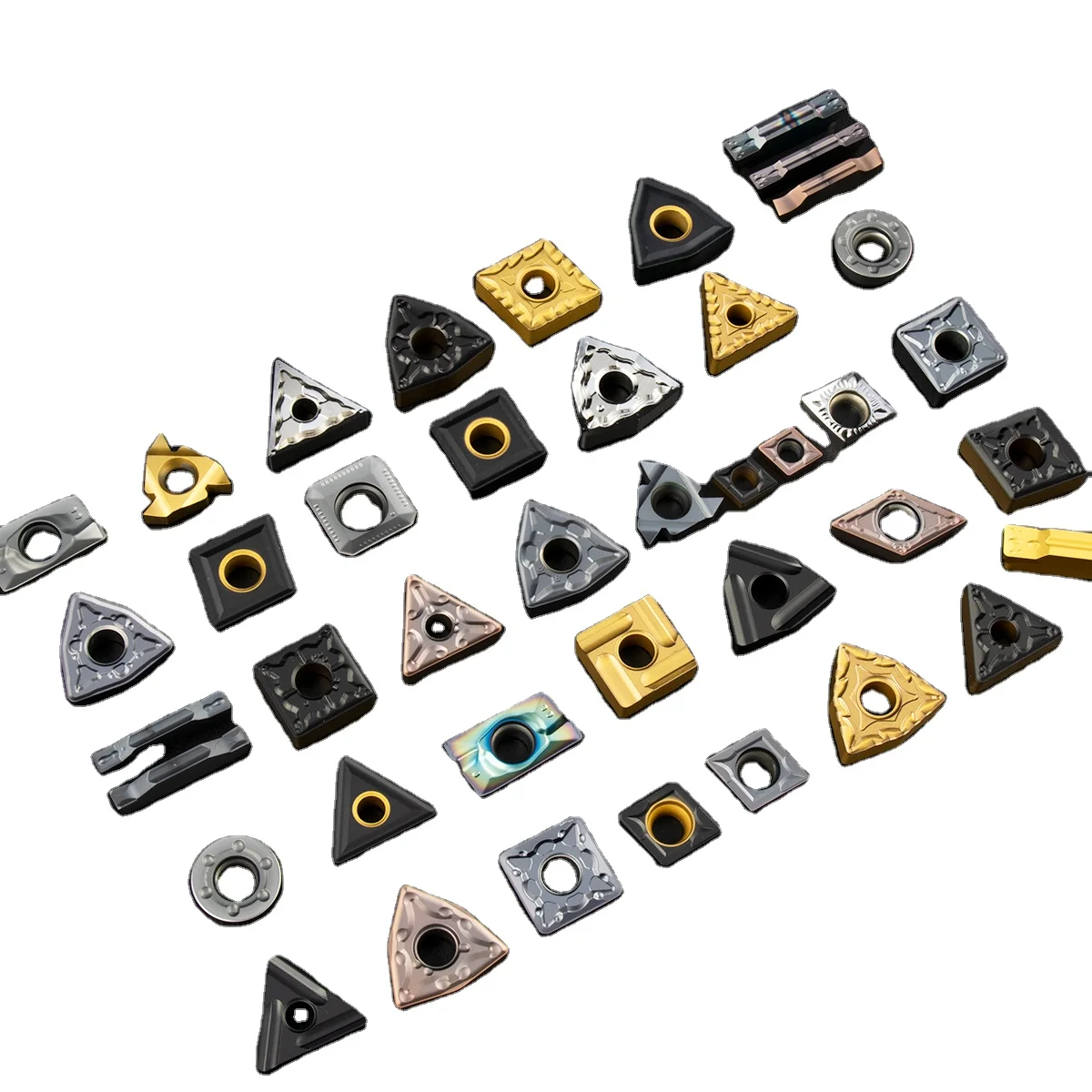
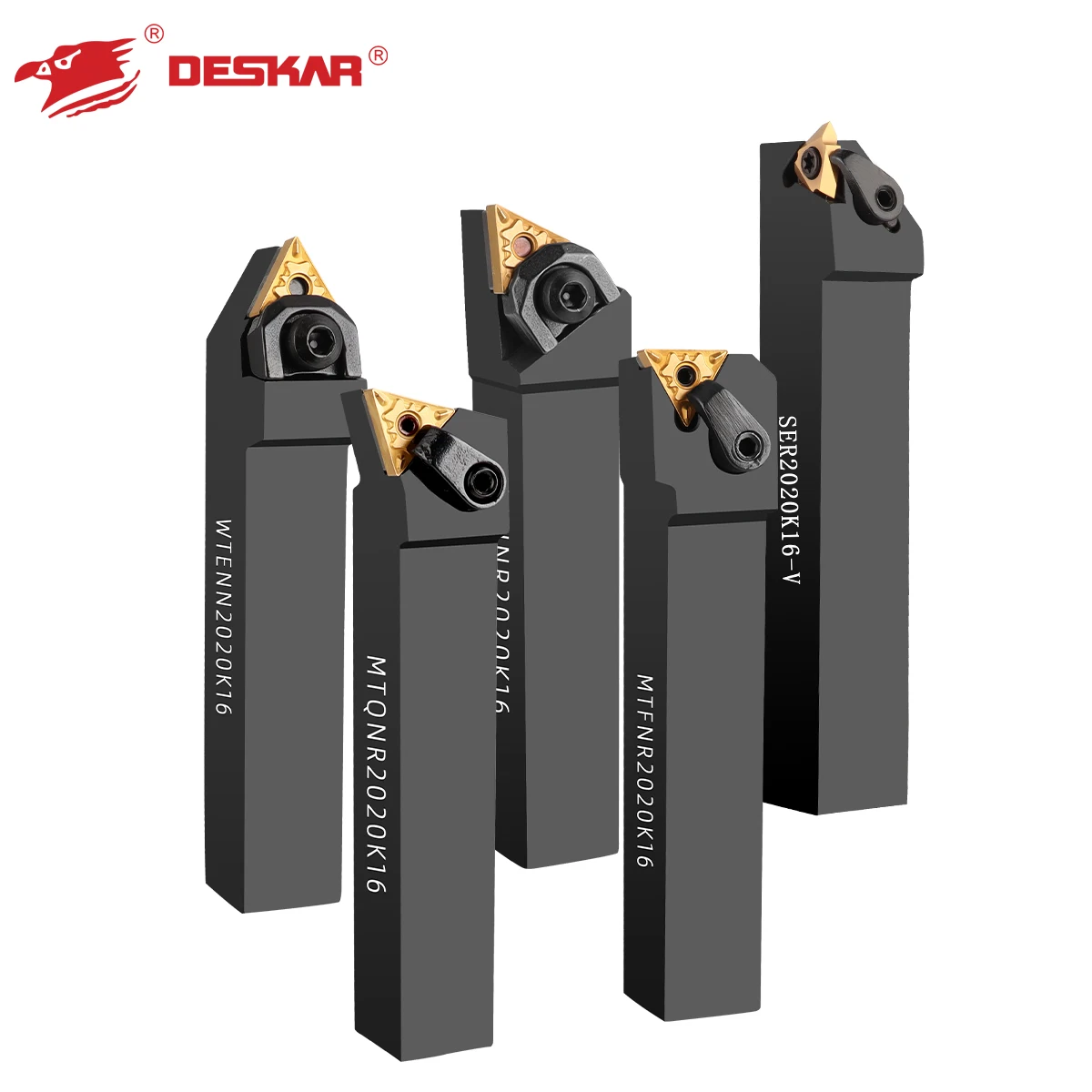
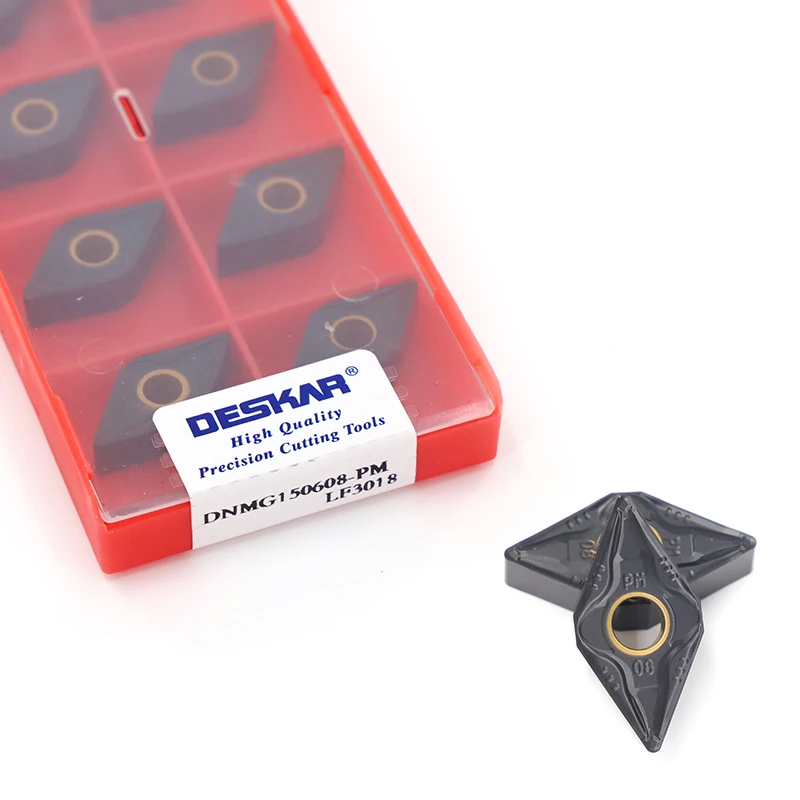
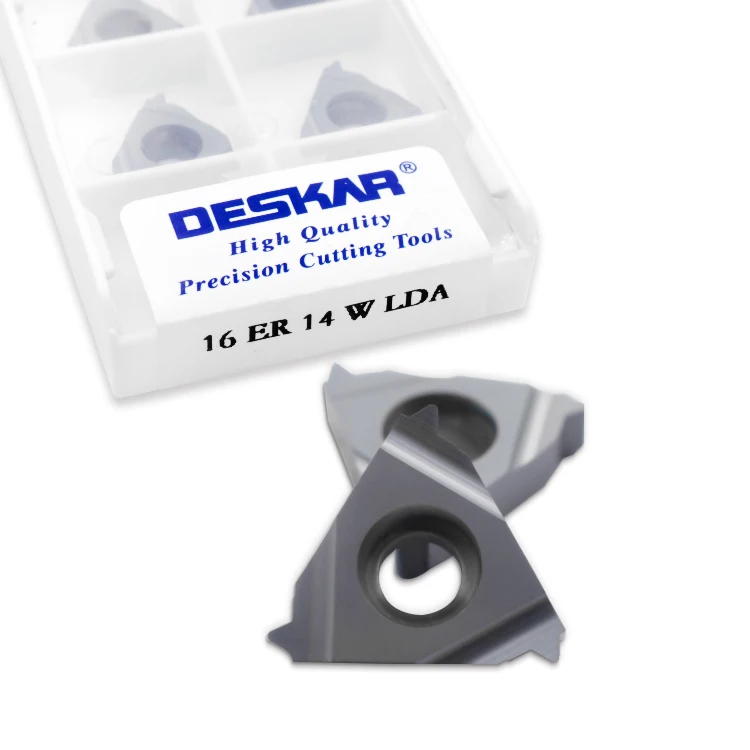
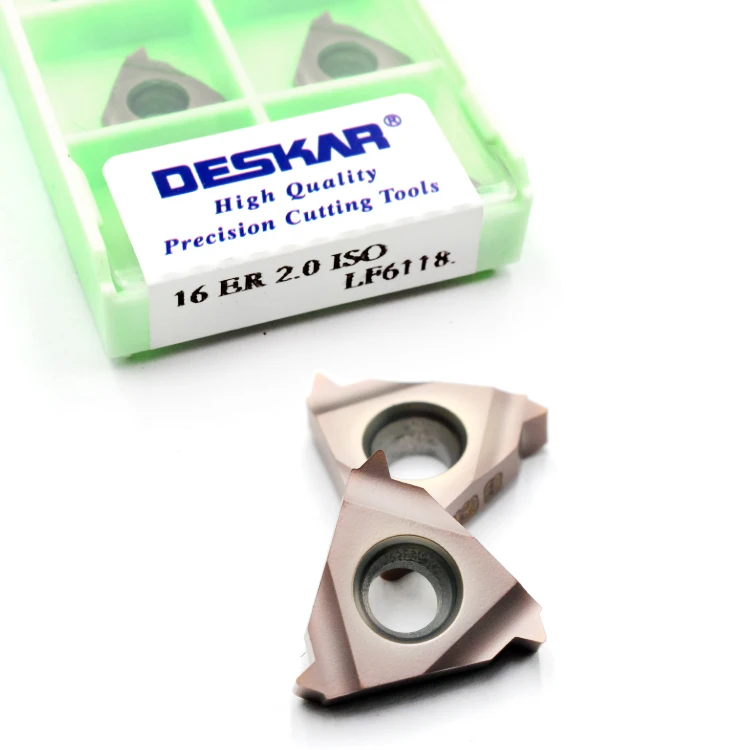
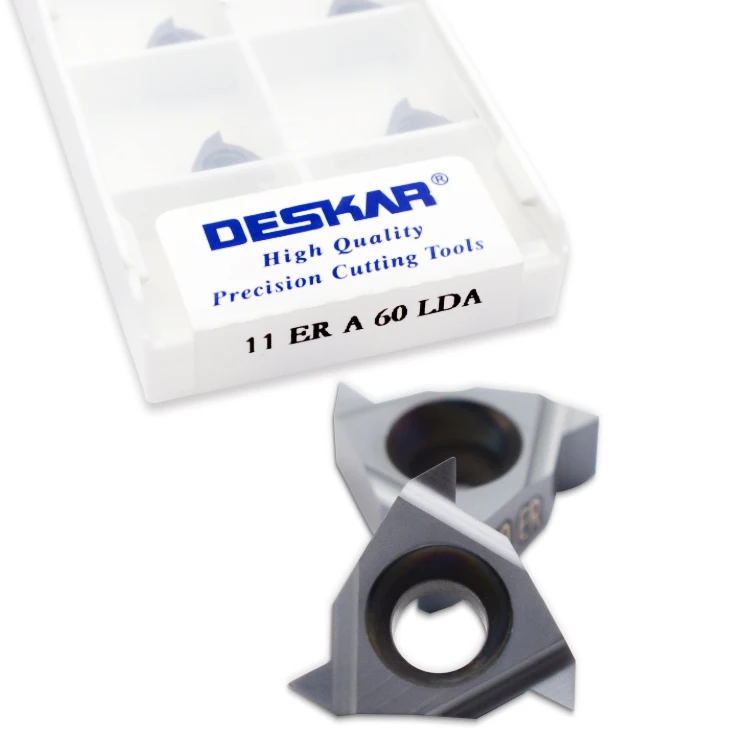
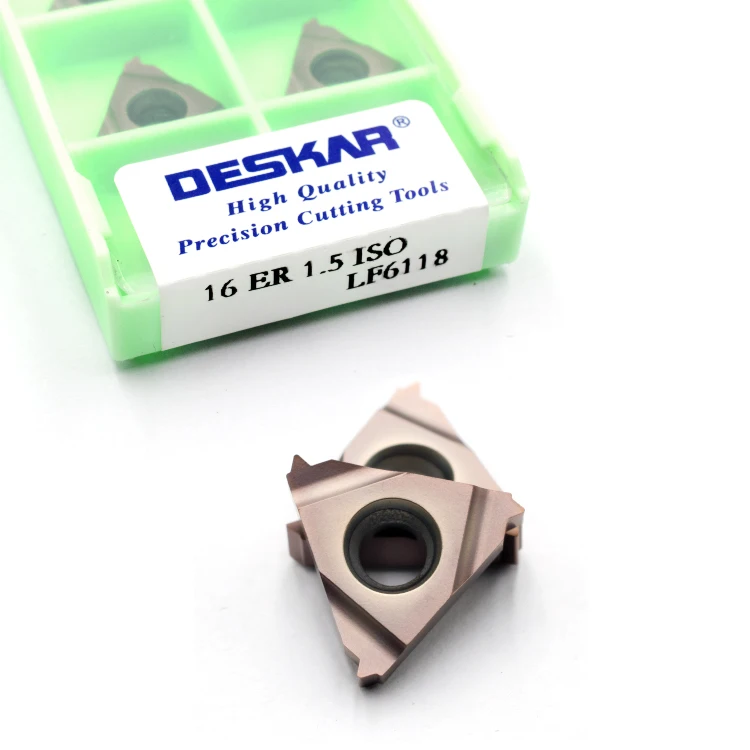
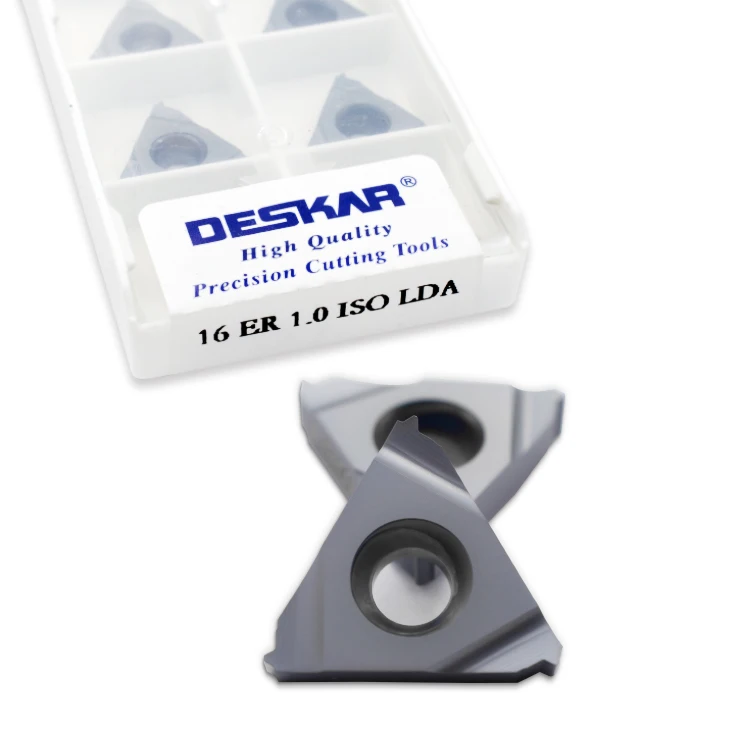
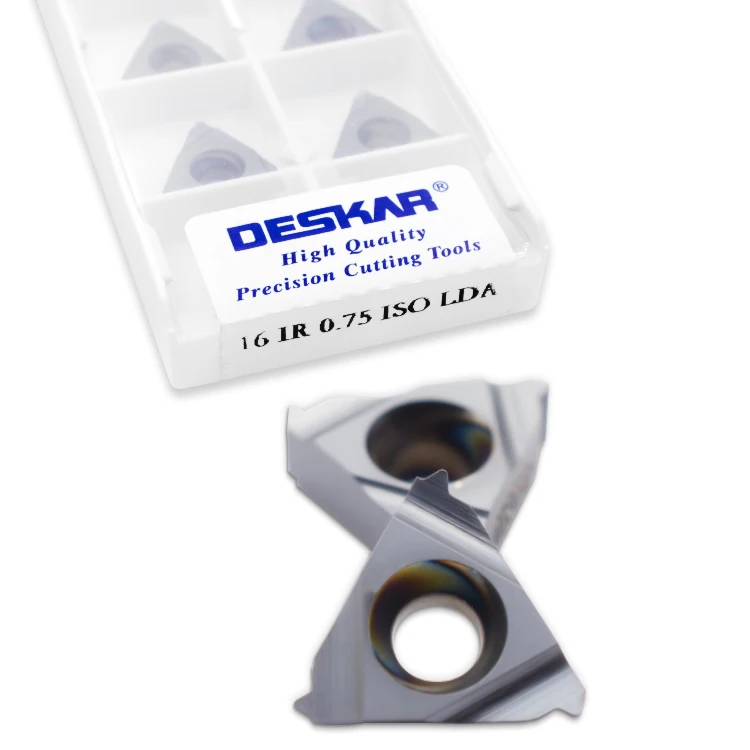
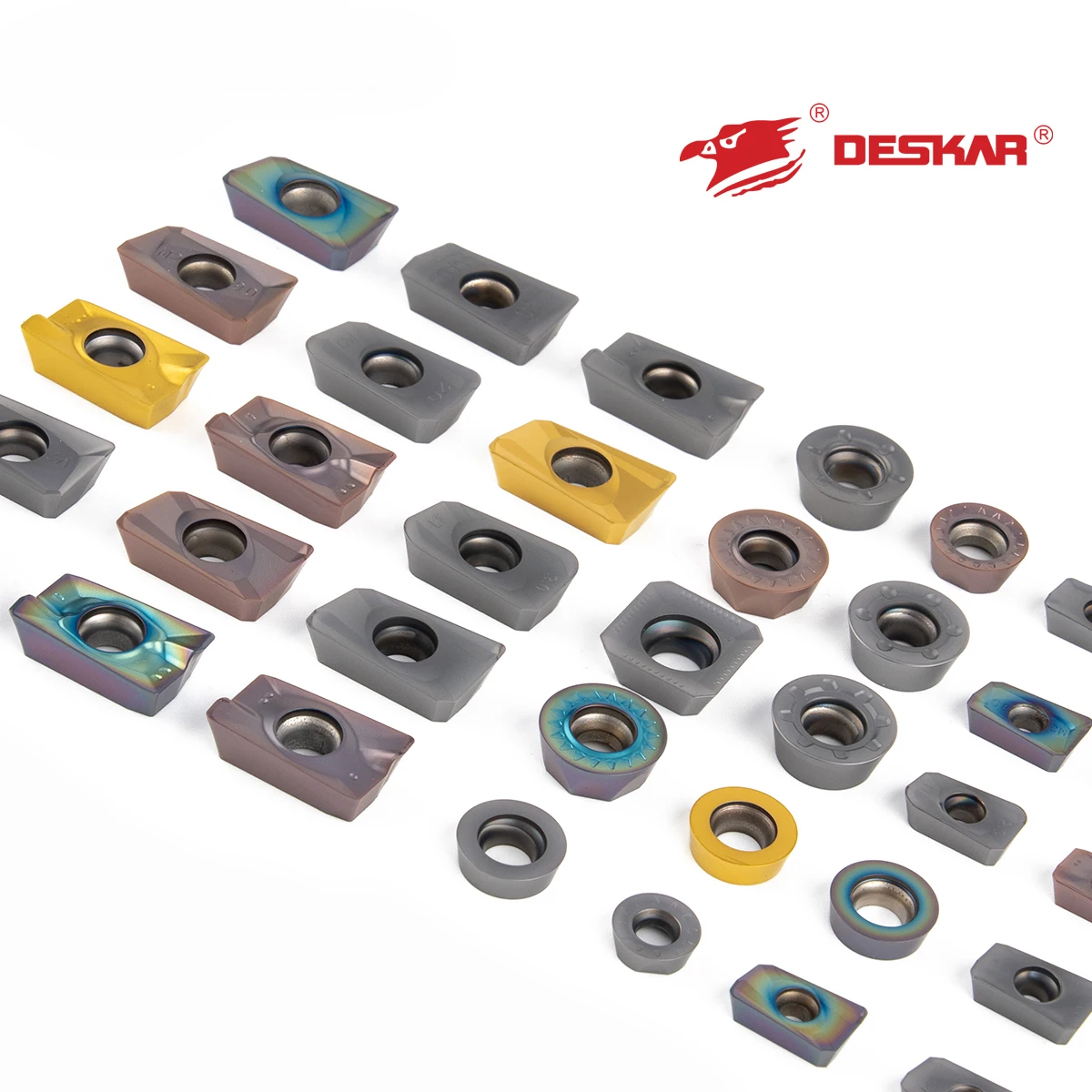
Threaded inserts are essential fasteners that provide strong and durable threads in materials that may not support traditional threading methods. They are commonly used in various industries, including automotive, aerospace, and manufacturing, to enhance the strength of joints and connections. B2B buyers often have concerns regarding material selection, compatibility, and the overall performance of threaded inserts in their specific applications. This article aims to provide insights into sourcing reliable milling inserts, best practices, common issues, material advantages, and a comparison of different types to help you make informed purchasing decisions.
Finding a dependable supplier for DESKAR threaded inserts is crucial for ensuring quality and consistency in your production processes. Start by evaluating manufacturers with a proven track record in the industry, such as LIFENG PRECISION TOOLS (ZHEJIANG) CO., LTD, known for their high-precision cutting tools and custom solutions.
When sourcing threaded inserts, consider these key factors:
Reputation and Experience: Choose suppliers who have established a reputation for quality and reliability in the manufacturing sector. Look for companies that specialize in threaded inserts and similar fasteners, as they are likely to have more expertise.
Quality Control Processes: Verify that the manufacturer has strict quality control measures in place, such as ISO certifications or equivalent quality standards. This ensures that the threaded inserts meet the required specifications and can withstand the intended application.
Customization Options: Depending on your specific needs, it may be beneficial to work with manufacturers that offer customization capabilities. This could include variations in material, size, and threading options tailored to your application.
Export Experience: If you are sourcing from international suppliers, ensure they have experience exporting to your region. This can streamline logistics and customs processes, minimizing delays in delivery.
Sample Approval: Before placing a large order, request samples to evaluate the quality and performance of the threaded inserts. This allows you to confirm compatibility with your applications and machinery.
To maximize the performance and longevity of DESKAR threaded inserts in your applications, consider the following best practices:
Proper Installation: Ensure that threaded inserts are installed correctly, using the appropriate tools and techniques. Misalignment or inadequate torque can lead to failure.
Material Compatibility: Choose threaded inserts made from materials that are compatible with the base material to prevent issues such as galling or corrosion. For instance, using stainless steel inserts in aluminum applications can provide added protection against wear.
Load Considerations: Assess the load requirements of your application. Select threaded bolt inserts designed to handle the specific loads they will encounter. This includes evaluating their tensile strength and shear strength.
Regular Inspections: Implement a routine inspection schedule to check for signs of wear or damage. Early detection of issues can prevent costly downtime and ensure consistent product quality.
Documentation: Maintain comprehensive documentation of specifications, installations, and inspections. This can be invaluable for troubleshooting and future purchases.
While threaded inserts are generally reliable, various common issues can arise during their use. Here are a few problems and their corresponding solutions:
Stripped Threads: This can occur if the insert is not properly installed or if the base material is too soft. To prevent this, ensure the correct installation torque is used and consider using inserts designed for softer materials.
Corrosion: In applications exposed to moisture or corrosive environments, threaded inserts can corrode over time. To mitigate this, select threaded inserts with appropriate coatings, such as PVD or CVD, which offer enhanced corrosion resistance.
Misalignment: If inserts are misaligned during installation, it can lead to stress and premature failure. Use alignment tools or jigs during installation to ensure accurate placement.
Excessive Wear: Over time, inserts may wear out due to friction or inadequate lubrication. Regularly inspect and replace inserts as needed, and consider using lubricants designed for your specific application.
Incompatibility with Base Material: Using the wrong type of insert for the base material can lead to failure. Always verify compatibility before selection, considering the tensile and shear strength of both the insert and the substrate.
Threaded inserts are available in various materials, each offering unique advantages depending on the application. Here are some common materials used and their benefits:
Aluminum: Lightweight and resistant to corrosion, aluminum inserts are ideal for applications where weight savings are critical. They offer good thermal conductivity and are often used in automotive and aerospace applications.
Stainless Steel: Known for its strength and corrosion resistance, stainless steel is suitable for harsh environments. It can withstand high temperatures and is often used in industrial applications.
Brass: Brass inserts provide excellent machinability and are often used in electronic and plumbing applications. They offer good conductivity and resistance to corrosion, making them versatile for various uses.
Plastic: For lightweight or non-conductive applications, plastic threaded inserts can be an effective choice. They are ideal for applications requiring electrical insulation and are often used in consumer products.
Titanium: For high-performance applications, titanium inserts offer exceptional strength-to-weight ratios and excellent corrosion resistance, making them suitable for aerospace and medical applications.
When selecting threaded inserts, it is essential to understand the different types available and their specific applications. Here are some common types and their characteristics:
Heli-Coil Inserts: These are helically wound inserts that provide strong threads in soft materials. They are often used in aluminum applications to repair stripped threads and provide a durable solution.
Keyed Inserts: These inserts are designed with keys that lock them into place, preventing rotation during installation. They are ideal for high-torque applications.
Self-Tapping Inserts: These threaded screw inserts can cut their own threads as they are installed, making them suitable for applications where pre-drilled holes are not feasible. They are often used in softer materials.
Straight Inserts: Commonly used in wood and plastic, straight inserts offer straightforward installation and are often used in furniture applications.
Flanged Inserts: These inserts have a flange that provides additional support and prevents them from sinking too deep into the material. They are ideal for ensuring a secure fit in applications where the insert may be subjected to high loads.
By understanding the various types of DESKAR threaded inserts and their applications, you can select the most suitable option for your specific manufacturing needs, ensuring optimal performance and durability in your products.