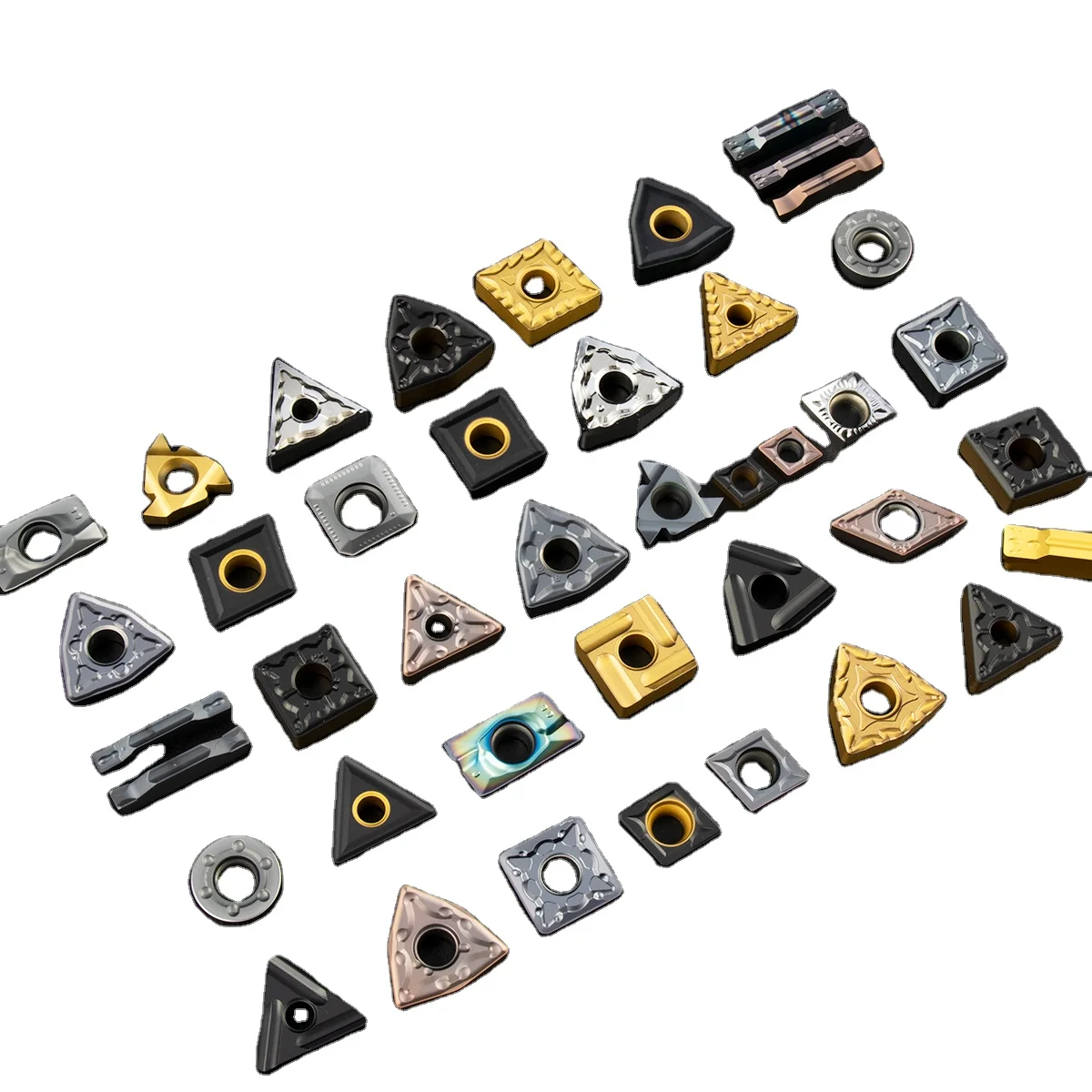
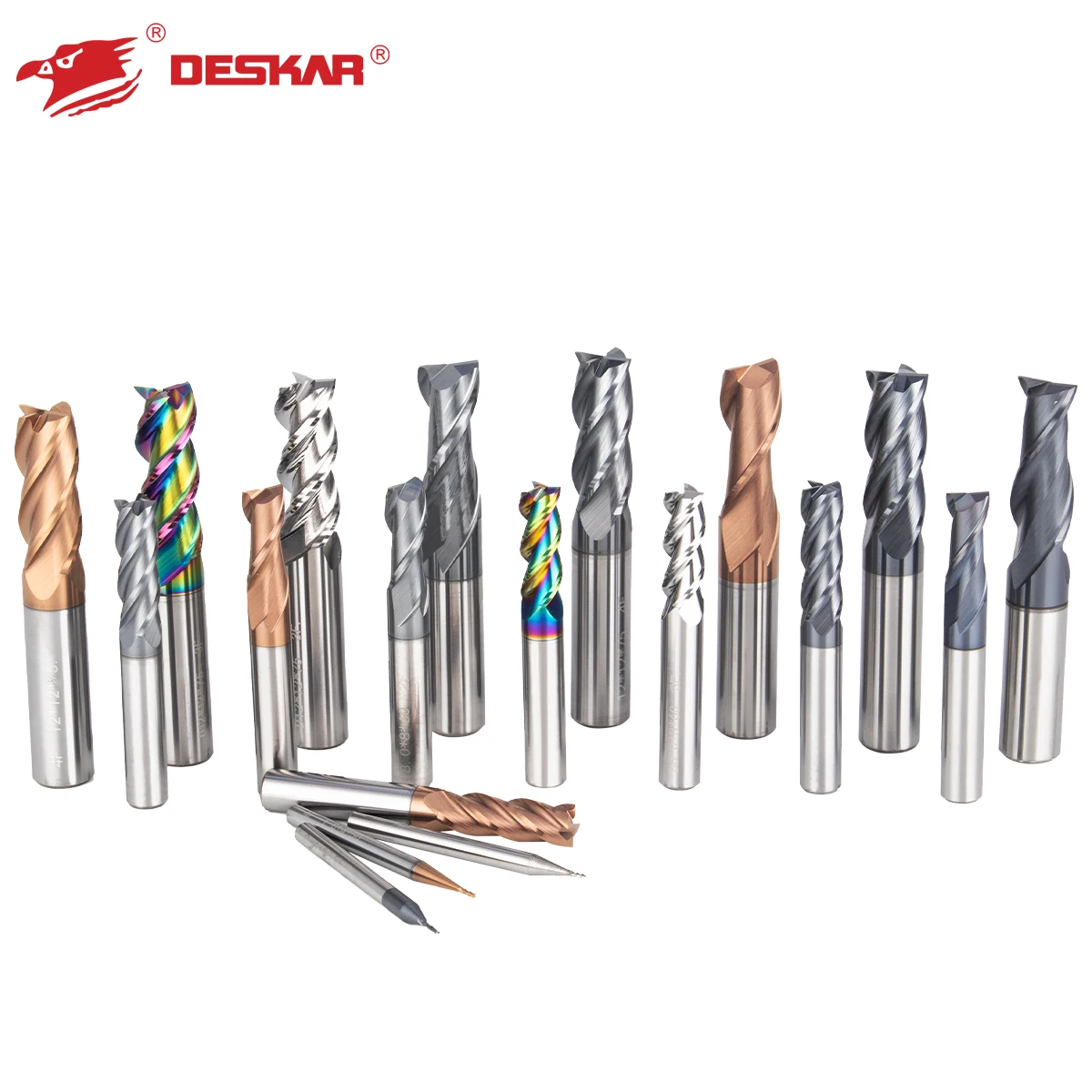
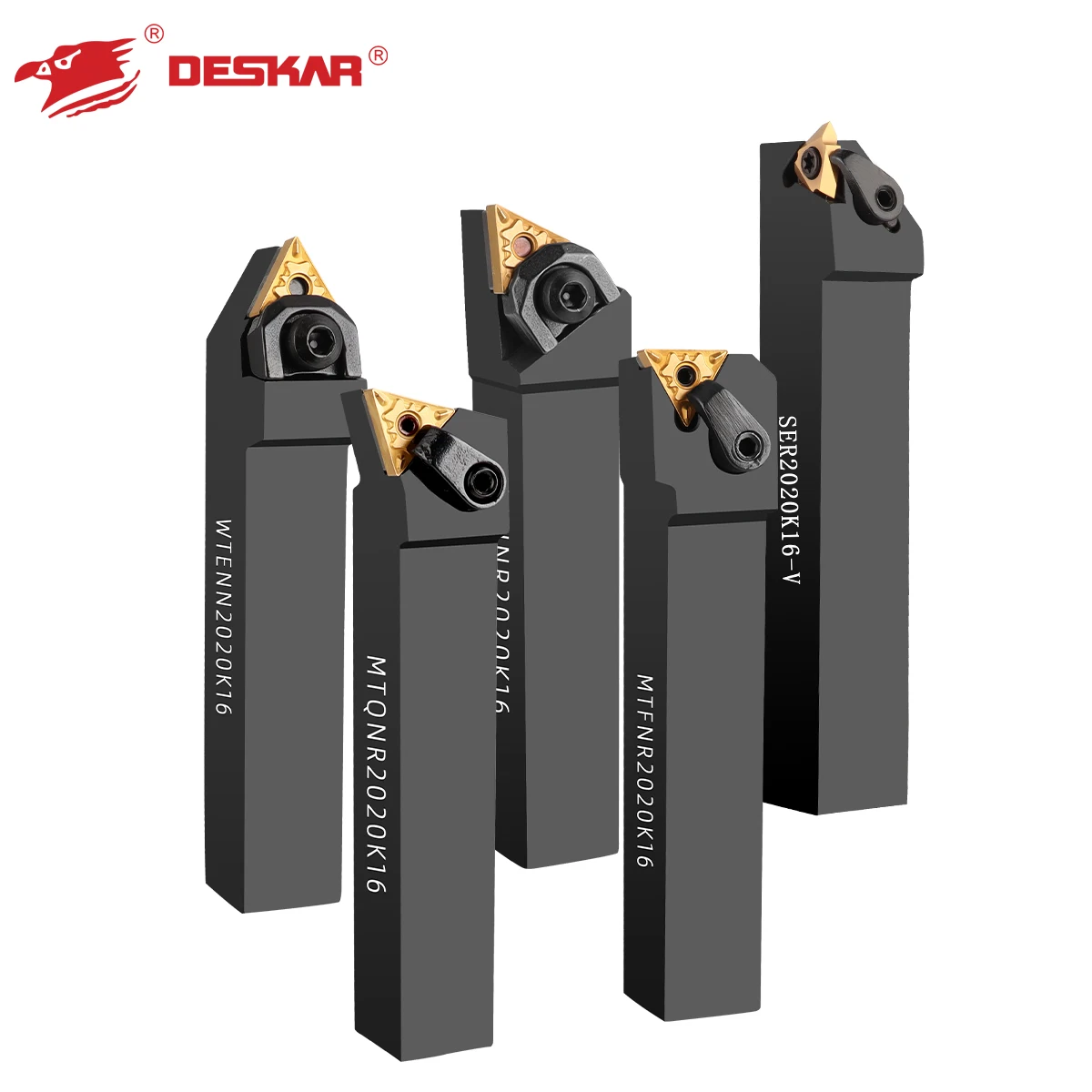
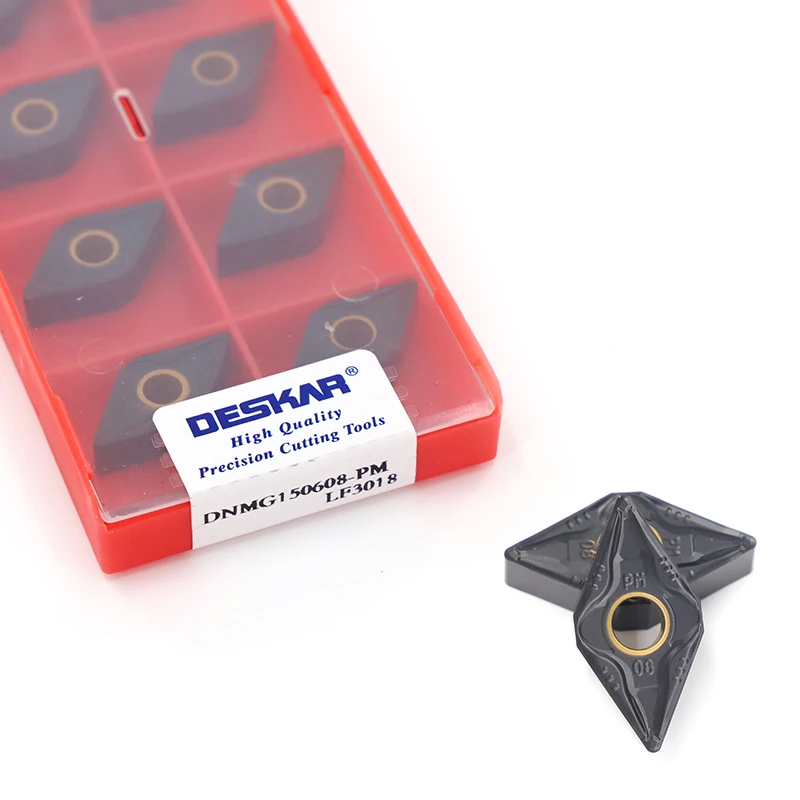
Solid carbide ball nose end mills are precision cutting tools designed for milling complex shapes and contours in a variety of materials. For B2B buyers, especially those in manufacturing and engineering sectors, selecting the right end mill can significantly impact production efficiency, surface finish, and overall project success. This article aims to guide purchasing managers, engineers, and product managers through the key considerations for sourcing solid carbide ball nose end mills, ensuring that their selections meet specific project requirements and quality standards
Selecting an appropriate solid carbide ball nose end mill involves understanding both the application and the specific characteristics of the tool. Key considerations include the diameter of the end mill, the length of the cutting edge, and the radius of the ball nose
For projects requiring intricate shapes, a smaller diameter end mill with a tight radius may be necessary. Conversely, larger diameters provide greater stability and faster material removal rates but may not be suitable for detailed work. Additionally, consider the material you will be machining. Solid carbide end mills are ideal for high-strength materials, such as stainless steel and titanium, due to their rigidity and wear resistance
Furthermore, look for tools with specialized coatings, such as PVD or CVD, which enhance performance by reducing friction and increasing tool life. Customization options may also be available, allowing buyers to specify particular dimensions or coatings to meet their unique project needs
When sourcing solid carbide ball nose end mills, it is essential to evaluate several key specifications
Material Composition: Solid carbide is favored for its hardness and durability. Different grades of carbide can affect tool performance, so confirm that the grade aligns with your machining requirements
Diameter and Length: The diameter must suit the workpiece and desired cut, while the length should accommodate the depth of the cut required. Ensure that the tool’s dimensions are compatible with your CNC machine setup
Ball Nose Radius: The radius impacts the finish of the workpiece. A larger radius can produce a smoother finish but may limit the detail achievable, while a smaller radius is better for fine details
Coating: Coatings like TiAlN or TiN can enhance tool life and performance. They help in reducing wear and resist built-up edge formation, which is crucial for high-speed machining applications
Shank Type: The shank must fit securely in your CNC machine’s collet. Standard shank sizes include 1/4", 3/8", and 1/2", but custom dimensions might be available
Understanding these specifications will enable buyers to select the most appropriate tools for their applications, thereby enhancing machining efficiency and quality
When considering wholesale purchases of solid carbide ball nose end mills, there are several factors to keep in mind
Minimum Order Quantity (MOQ): Suppliers often set a MOQ for custom or wholesale orders. Be sure to clarify this with potential suppliers to avoid misunderstandings
Pricing Structure: Pricing may vary based on order size, customization, and material. Request quotes that detail costs associated with different specifications to better compare suppliers
Lead Time: Understand the lead times for production and delivery, especially if customized tools are required. Longer lead times can disrupt production schedules, so factor this into your purchasing plan
Packaging Considerations: Ensure that the packaging of the end mills protects them during shipping. Consider whether the supplier offers bulk packaging options for easier handling
Supplier Reliability: Look for suppliers with a proven track record in the industry. Check for reviews or testimonials regarding product quality and customer service
By addressing these elements, buyers can streamline their procurement process and build strong relationships with trusted suppliers
Quality evaluation of solid carbide ball nose end mills is critical to ensure they meet performance expectations. Here are some methods to assess quality
Visual Inspection: Before usage, conduct a visual inspection for any defects such as chipping, irregularities, or surface imperfections. A consistent finish on the cutting edges indicates a quality product
Tolerances and Dimensional Accuracy: Verify that the dimensions and tolerances match the specifications provided. Inaccuracies can lead to poor machining results and increased scrap rates
Tool Performance Testing: If possible, perform trial runs with the end mill on the intended material. Measure the tool’s performance in terms of tool life, surface finish, and machining efficiency
Supplier Certifications: Check if the supplier adheres to industry standards or holds relevant certifications. This can be an indicator of their commitment to quality control processes
Customer Feedback: Look for feedback from other users regarding the performance and reliability of the end mills. This can provide insights into long-term quality
Implementing these evaluation methods will help ensure that the tools purchased are of high quality and suitable for their intended application
Proper installation of solid carbide ball nose end mills is crucial for achieving optimal performance. Here are some installation tips
Clean the Collet: Ensure that the collet and tool holder are clean and free from debris before installation. This will help in achieving a secure grip on the end mill
Correct Insertion Depth: Insert the end mill into the collet to the recommended depth to prevent excessive runout. This is typically specified by the tool manufacturer
Torque Specifications: Use the appropriate torque settings when tightening the collet. Over-tightening can damage the tool, while under-tightening can lead to vibration and tool failure during operation
Alignment Check: After installation, check for proper alignment. Misalignment can cause uneven wear or damage to both the end mill and the workpiece
Coolant Considerations: If using coolant, ensure the tool is compatible with the type being utilized. Proper cooling can extend tool life and improve machining results
Adhering to these installation practices will maximize the performance and lifespan of solid carbide ball nose end mills in your CNC machining operations
By following the guidelines outlined, B2B buyers can make informed decisions when sourcing solid carbide ball nose end mills, ensuring they select the right tools for their specific needs while also optimizing their procurement processes