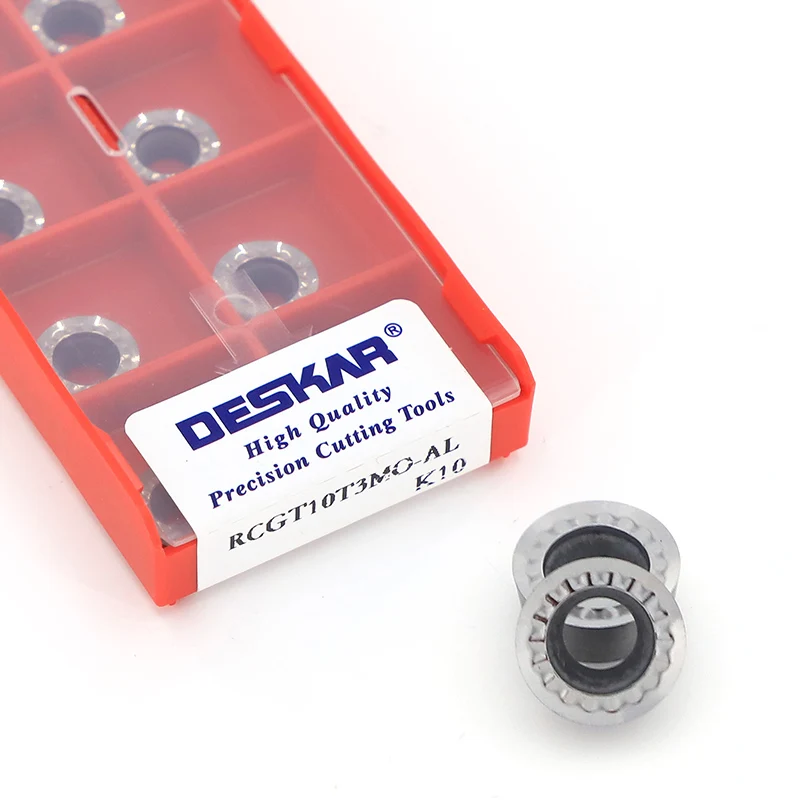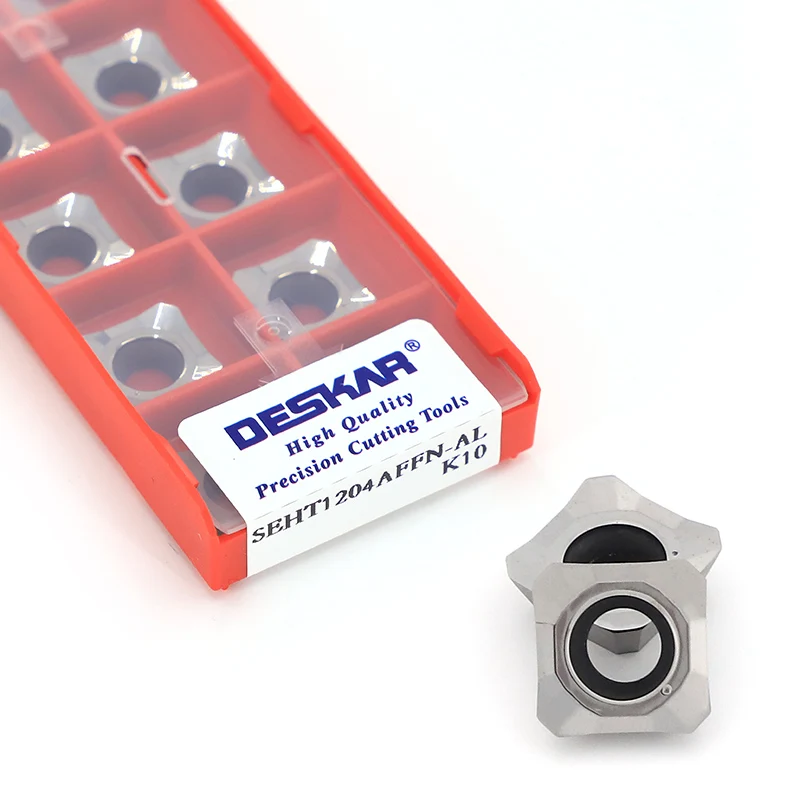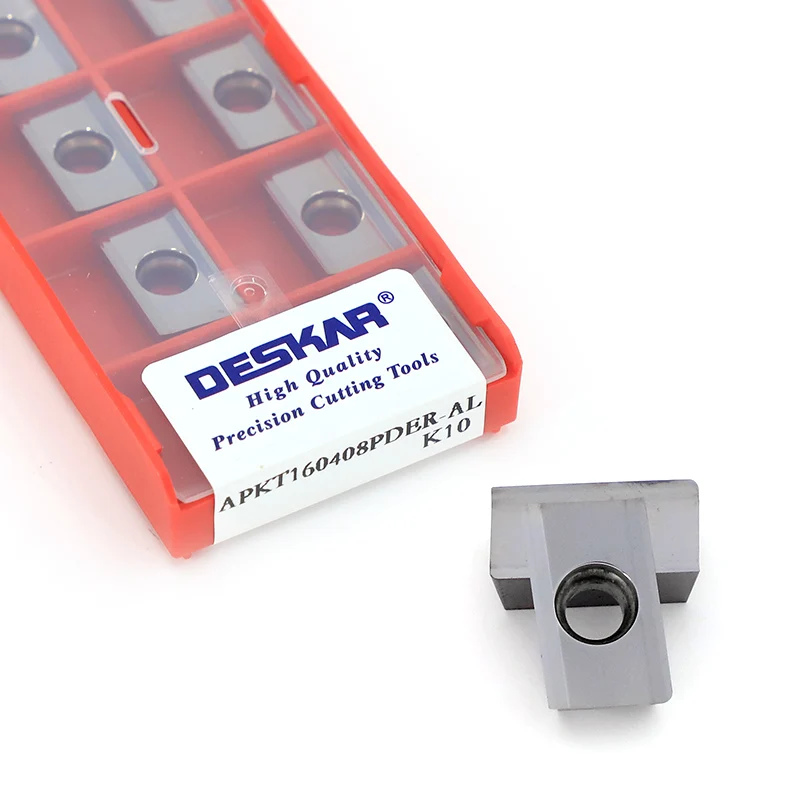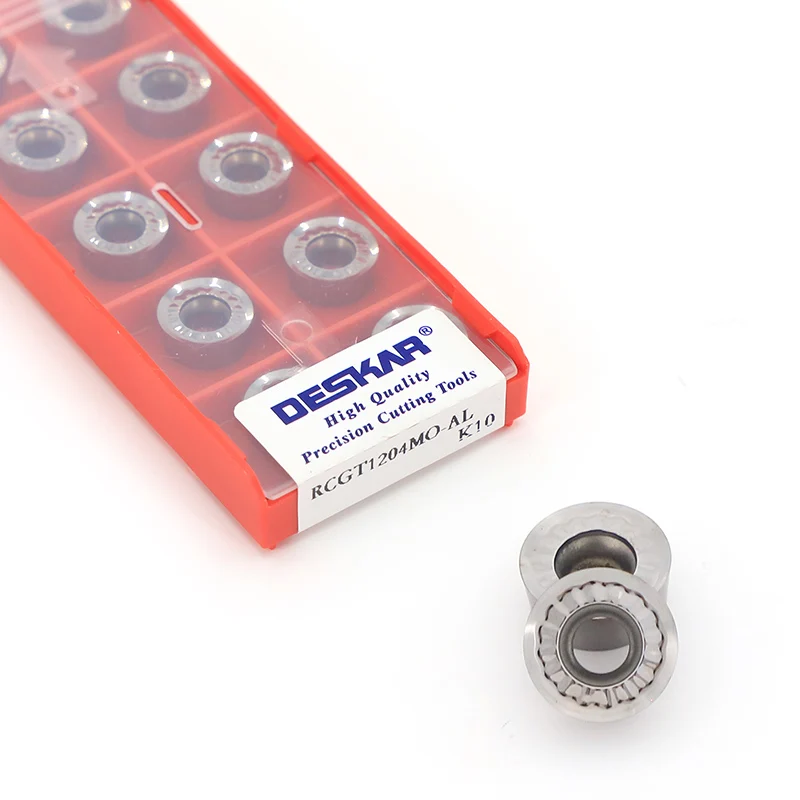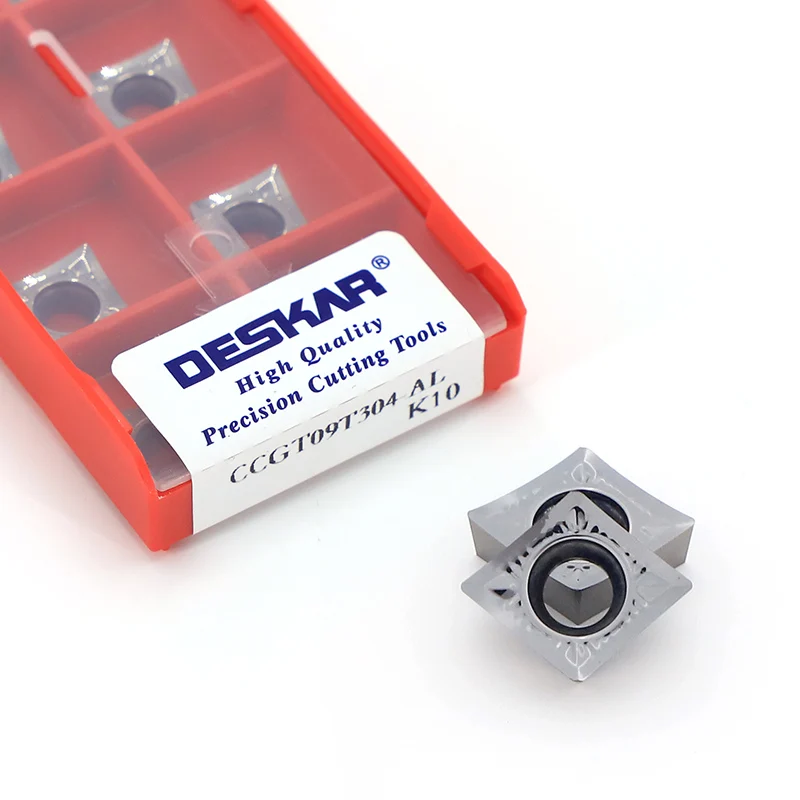
Ever thought what can be made of aluminum? Well, one of the key tools in forming aluminum into an assortment of things is the milling bit. Milling bits cut and shape aluminum by removing material with their cutting edges – they are like a knife, only that instead of making just a single cut, milling bits remove small bits of the material with each pass. In this article, we’ll discuss the appropriate milling bits for aluminum to use for your project, particularly for milling of aluminum bores and profiles
If you're tempted to proceed using all sorts of inappropriate tools, you shouldn't be and here's some guidance regarding the best milling bits for aluminum. One of the key things to consider is what kind of aluminum you are going to be working with. There are some aluminum alloys that are softer and easier to machine, and others that are harder and which require heavier-duty milling bits.
The size and shape of the mill-bit are another factor to be taken into account. Various sizes and shapes create different cuts and finishes. For instance, if you have to grind the floor, a flat endmill can do that job, but if you want to cut out a certain shape with a curvy edge, a ball nose endmill is the solution
If you’re working with aluminum, you obviously need to use carbide milling bits, but there are a few tricks to it. First, be sure to choose the appropriate cutting speed and feed rate for the type of aluminum you are machining. The right speed and feed rate will save you from having to replace your milling bits too often!
There are a variety of options for tools for cutting aluminum. End mills, roughing end mills, slot drills, etc are some commonly used ones. Since each one has its special features and benefits, it’s important to select the product that best fits the job.

End Mills End mills are the most common type of milling bits and can be applied to various cutting. Large amounts of material can be removed very quickly thanks to roughing end mill bits, whilst slot drills are designed for creating cuts into alu to form slots or holes.

Precision Machining The M1 surface milling bit makes knockout scratches in aluminum so easy! Once you have the right type of bit, you can make precise cuts and produce smooth finishes on your milling cutter bits work piece by using the appropriate cutter size and shape.