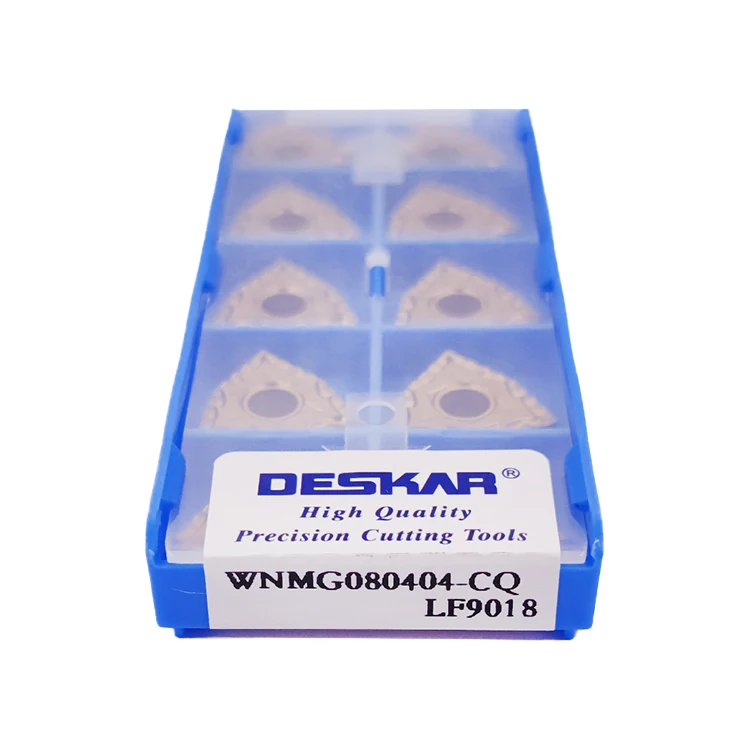
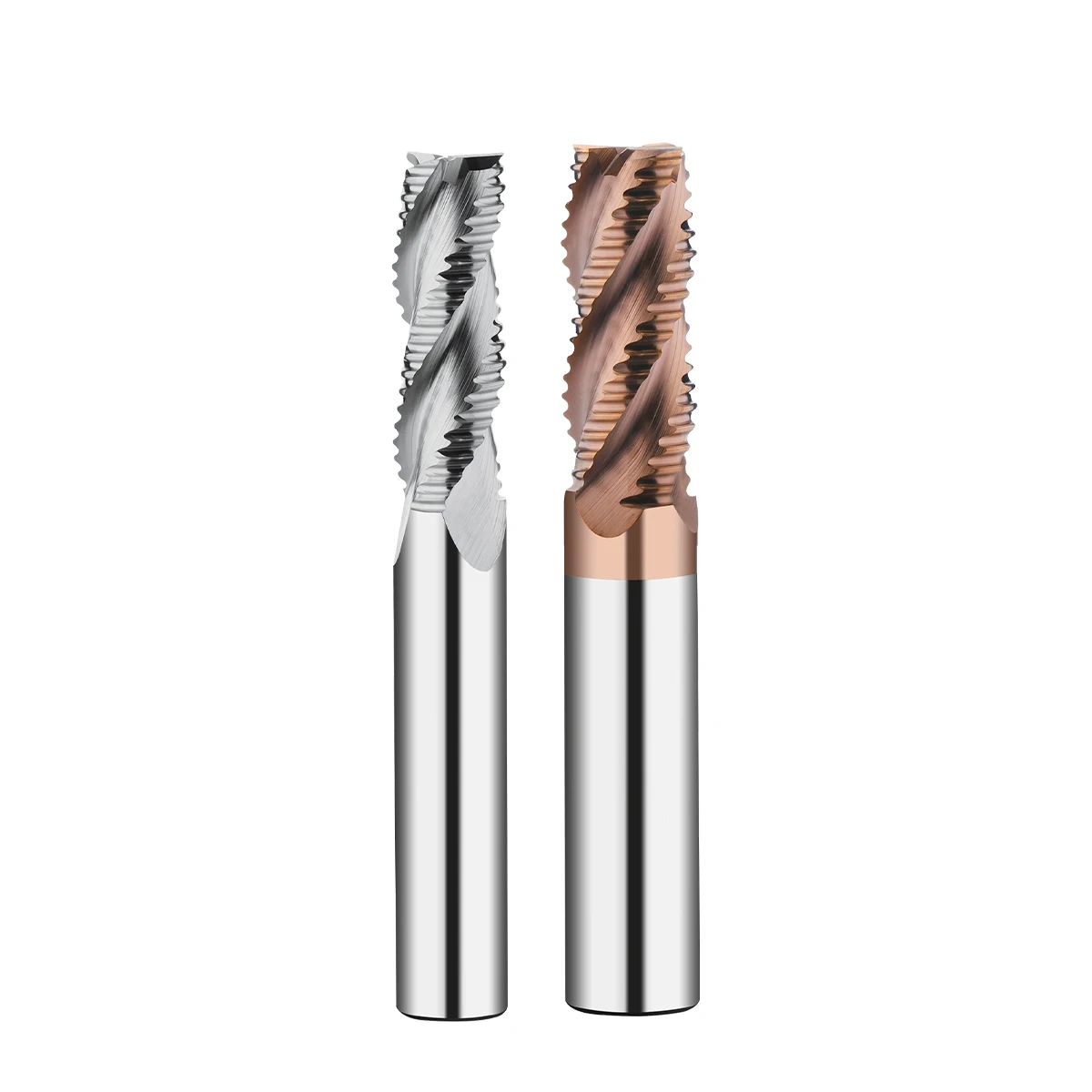
Machining taps are essential tools used in various manufacturing processes to create internal threads in materials. They play a critical role in industries such as automotive, aerospace, and mold making, where precision and reliability are paramount. For B2B buyers, understanding the intricacies of machining taps from material selection to installation is vital for making informed purchasing decisions. This article will guide you through sourcing selecting, and effectively using machining taps addressing key concerns and providing practical insights for purchasing managers, engineers and product managers.
When sourcing machining taps, it’s essential to partner with reputable manufacturers that can deliver high-quality products. LIFENG PRECISION TOOLS (ZHEJIANG) CO., LTD, based in Wenling, Zhejiang, is known for its strong R&D capabilities and advanced production lines, including index able CNC blades and NC arbors. Their focus on high-precision standard and non-standard cutting tools makes them a reliable source for machining taps.
Buyers should consider the following when sourcing:
Manufacturer Expertise: Look for suppliers with extensive experience in producing machining taps and a strong track record in the industry. Quality Control Processes: Ensure that the manufacturer employs rigorous quality control measures to maintain high standards throughout the production process. Customization Capabilities: If your project requires specific dimensions or features, confirm that the supplier offers customization options. Certifications: Verify any certifications that indicate compliance with industry standards, which can assure product reliability. Minimum Order Quantity (MOQ): Understand the MOQ for wholesale orders to align with your purchasing strategy.
By evaluating these factors, buyers can establish fruitful partnerships with manufacturers capable of meeting their machining insert needs.
Selecting the appropriate machining tap involves considering various specifications that align with your project's requirements. Key factors to evaluate include:
Material: Machining taps are typically made from high-speed steel (HSS), cobalt, or carbide. HSS taps are versatile and suitable for softer materials, while cobalt taps offer improved wear resistance for tougher materials. Carbide taps, though more brittle, provide exceptional hardness and are ideal for high-volume applications.
Type of Tap: There are several types of taps, including spiral flute, straight flute, and spiral point taps. Spiral flute taps are beneficial for deep holes, as they help evacuate chips effectively, while straight flute taps are suitable for shallow holes. Spiral point taps push chips ahead, making them ideal for blind holes.
Thread Size and Pitch: Ensure that the tap’s size and thread pitch match the specifications of the components being manufactured. This is critical for achieving the desired fit and function.
Coatings: Consider taps with PVD (Physical Vapor Deposition) or CVD (Chemical Vapor Deposition) coatings for enhanced performance, as these treatments increase tool life and reduce friction.
By carefully assessing these criteria, buyers can ensure they select the right tapered end mills for their specific applications.
Proper installation of machining taps is crucial for achieving optimal results and prolonging tool life. Here are essential guidelines for effective installation:
Preparation: Ensure that the workpiece is securely clamped and that the tapping area is clean. Debris can affect the tap's performance and lead to inaccuracies.
Lubrication: Use appropriate cutting fluid to minimize friction and heat during the tapping process. This is especially important for harder materials, as it helps preserve the integrity of the tap.
Speed and Feed Rate: Adjust the spindle speed and feed rate according to the material and tap type. A slower speed is generally recommended for tougher materials to prevent tap breakage.
Depth Control: For blind holes, carefully monitor the tapping depth to avoid bottoming out the tap, which can cause damage. Utilize depth stops or drill indicators where necessary.
Withdrawal: When withdrawing the tap from the hole, reverse the spindle slowly to avoid damaging the threads.
Implementing these installation practices will improve the overall efficacy of taper ball nose and reduce the likelihood of operational issues.
Machining taps can encounter various issues during use. Here are common problems and their solutions:
Tap Breakage: This can occur due to excessive feed rates, improper lubrication, or material hardness. To prevent breakage, ensure that the tap is appropriate for the material and that proper cutting fluid is used.
Thread Damage: Over-torquing or using the incorrect tap can lead to thread damage. Always verify that the right tap is selected for the specific application, and use torque specifications recommended by the tap manufacturer.
Poor Chip Removal: If chips are not adequately removed, it can lead to tap binding and breakage. Using spiral flute taps can help in chip evacuation, and proper lubrication can further assist in this process.
Incorrect Thread Fit: If the finished threads do not fit properly, it may be due to incorrect tap size or pitch. Always double-check the specifications before commencing work.
By anticipating these issues and employing corrective measures, buyers can enhance the performance of their machining taps and achieve better results.
The material composition of machining taps significantly impacts their performance and suitability for various applications. Here’s a closer look at the advantages of different materials:
High-Speed Steel (HSS): HSS taps are widely used due to their balance of durability and cost-effectiveness. They are suitable for a range of materials, including aluminum, brass, and mild steel. However, their performance may diminish with tougher materials.
Cobalt Steel: Cobalt taps contain a higher cobalt content, enhancing their heat resistance and wear properties. These taps are ideal for use in harder materials such as stainless steel and high-carbon steels, making them a preferred option for demanding applications.
Carbide Taps: Carbide taps offer the highest hardness and thermal stability, making them suitable for high-speed machining and very hard materials. However, they are more brittle than HSS or cobalt taps, requiring careful handling and installation.
Selecting the appropriate material based on application requirements such as the hardness of the workpiece and the type of machining ensures optimal performance and longevity of the tap. By understanding these material advantages, B2B buyers can make informed choices that align with their manufacturing needs, ultimately leading to improved production efficiency and quality.