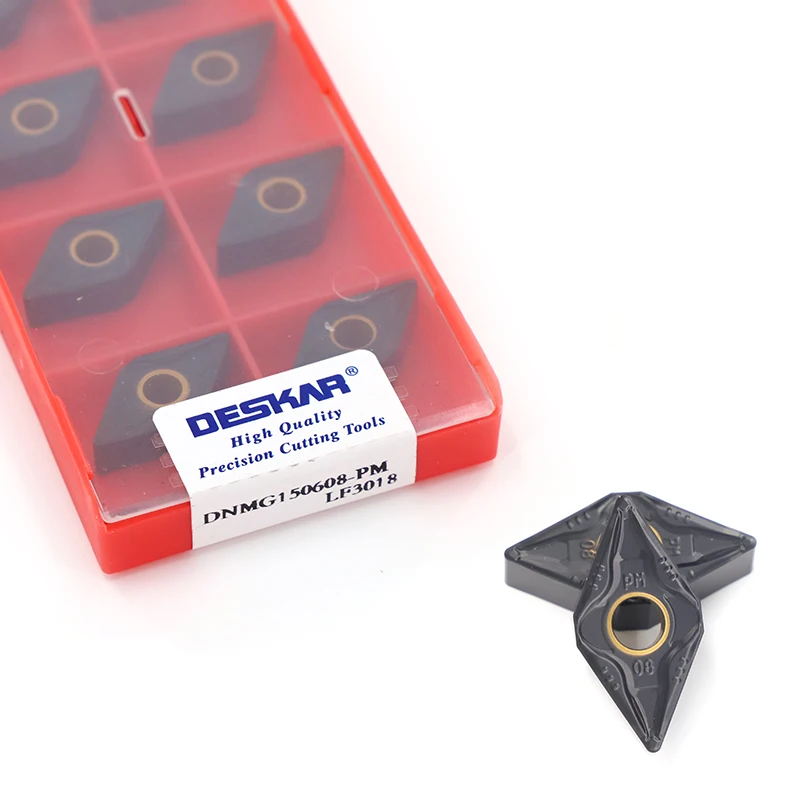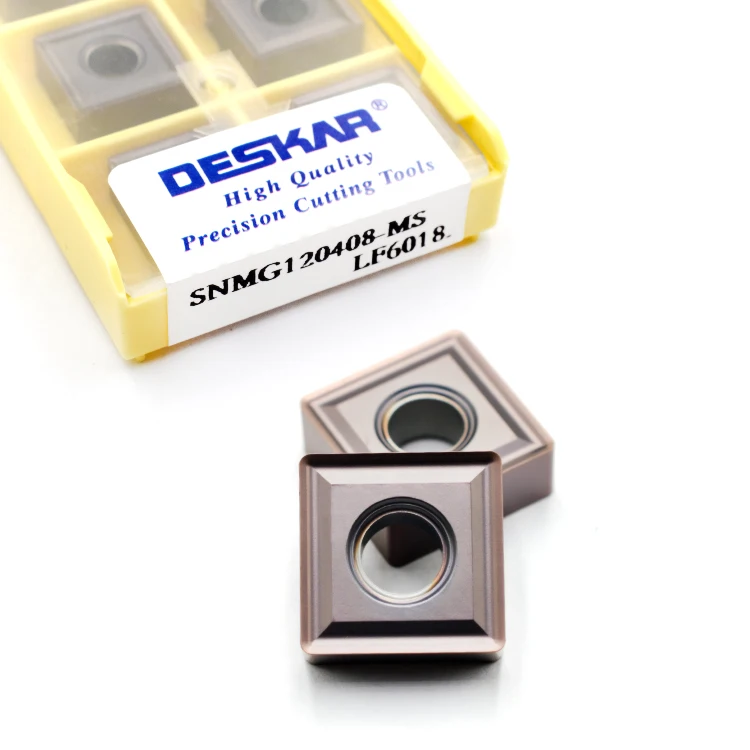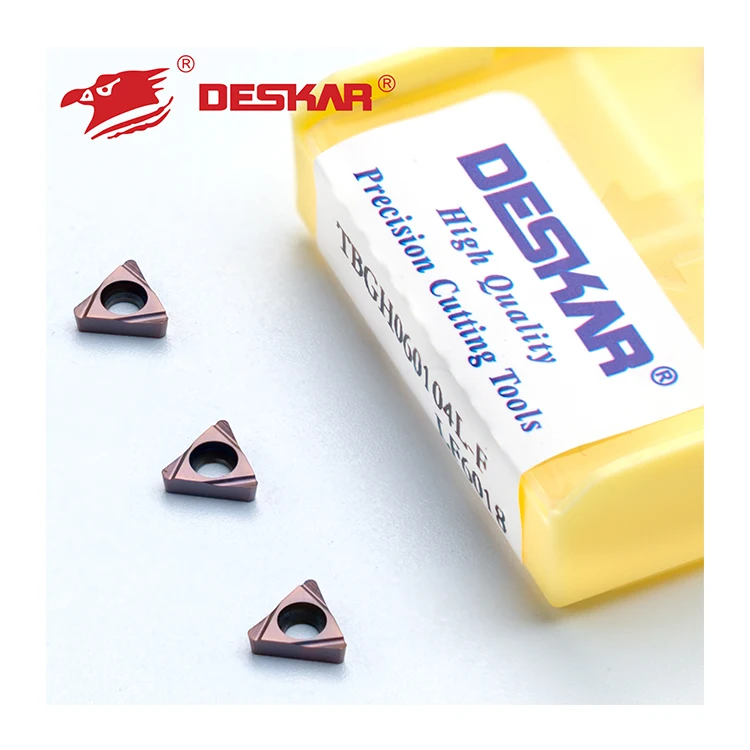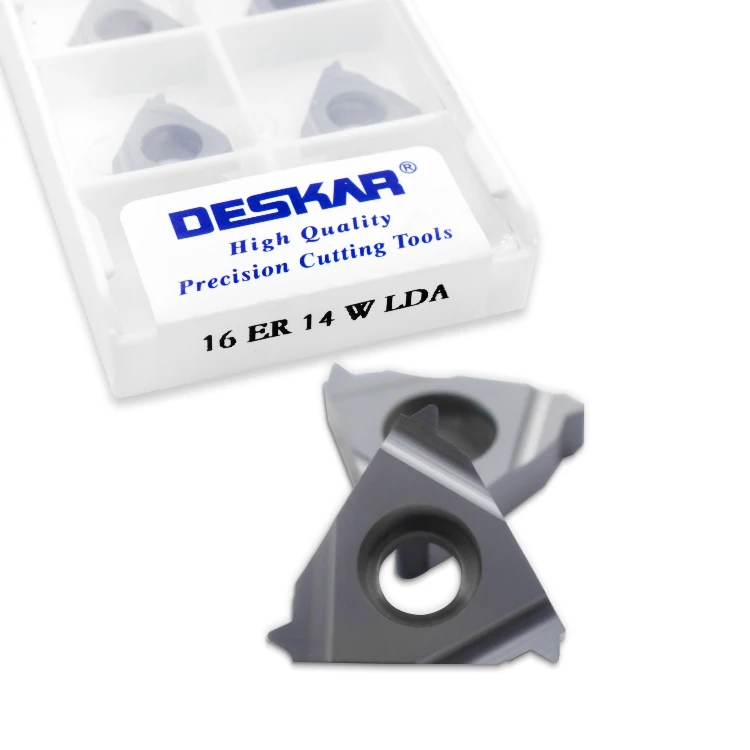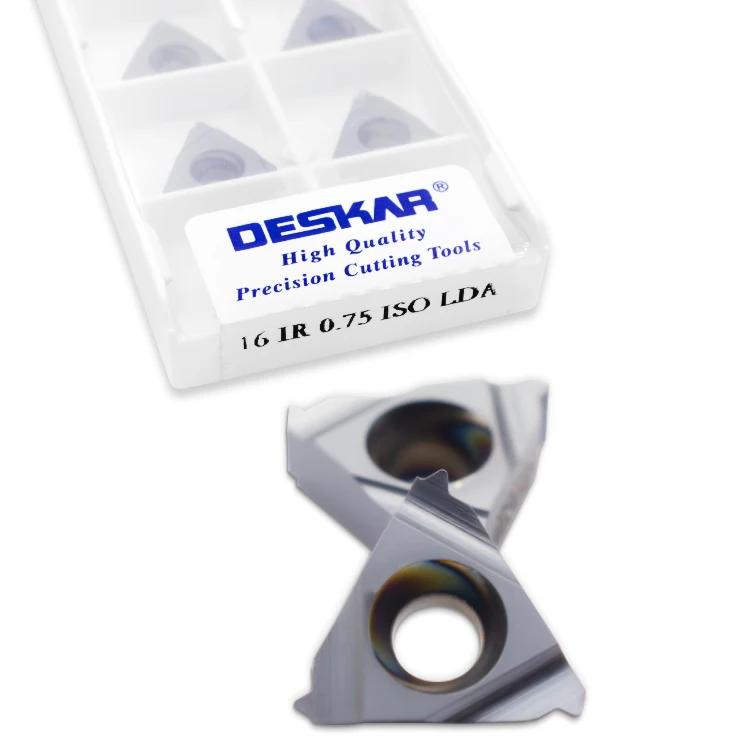
Lathe insert tooling is a crucial subject to know about when you are working on a project. It makes things go more smoothly and easier to happen. So, what does it mean be lathe insert tooling?
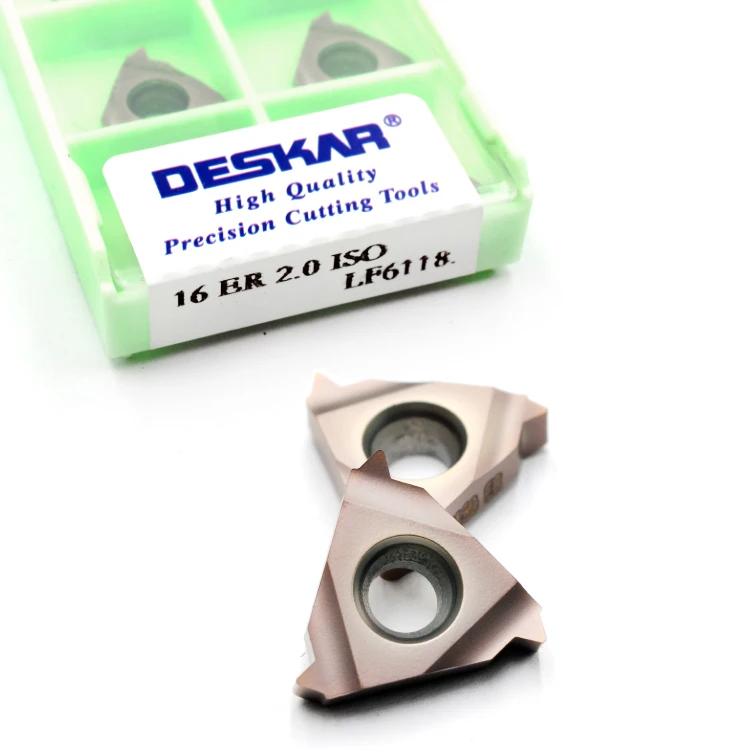
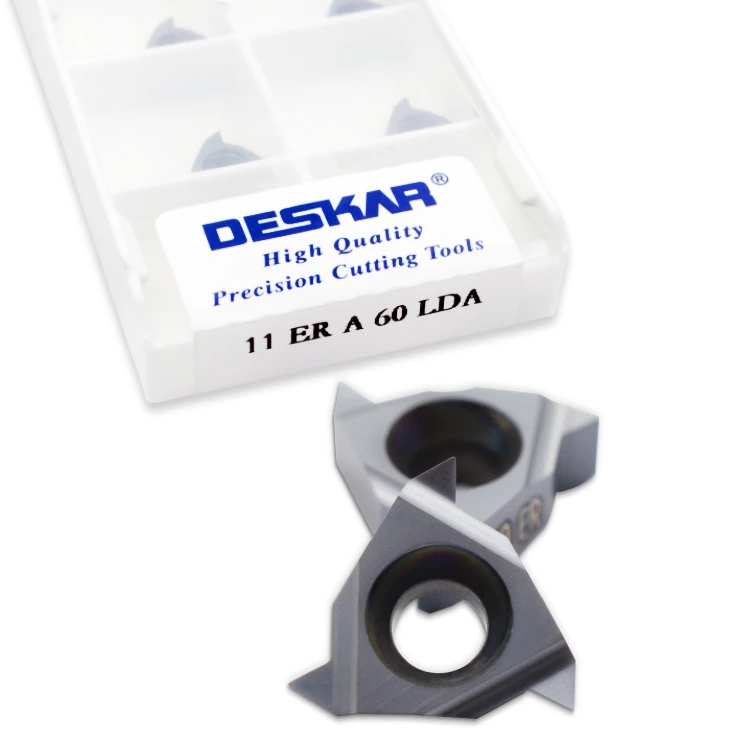
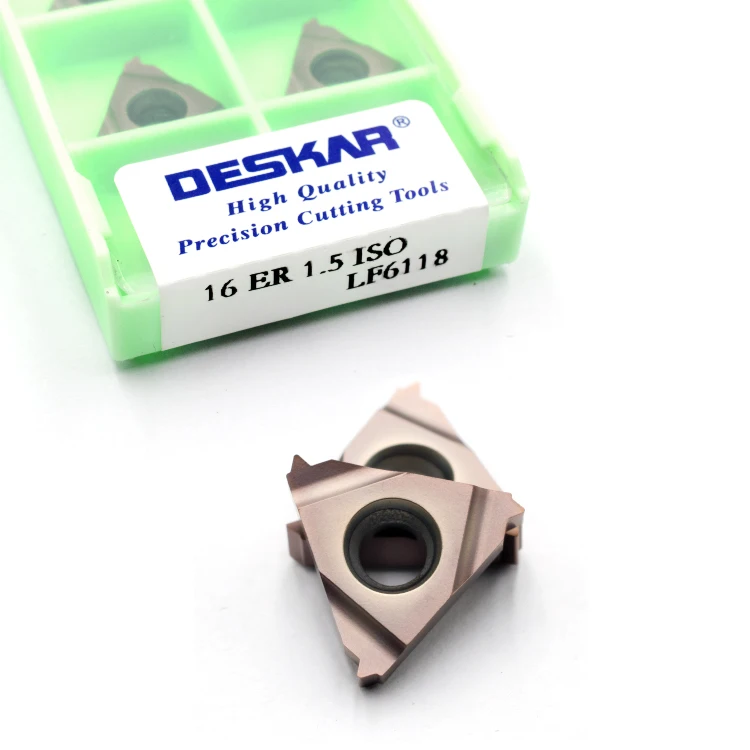
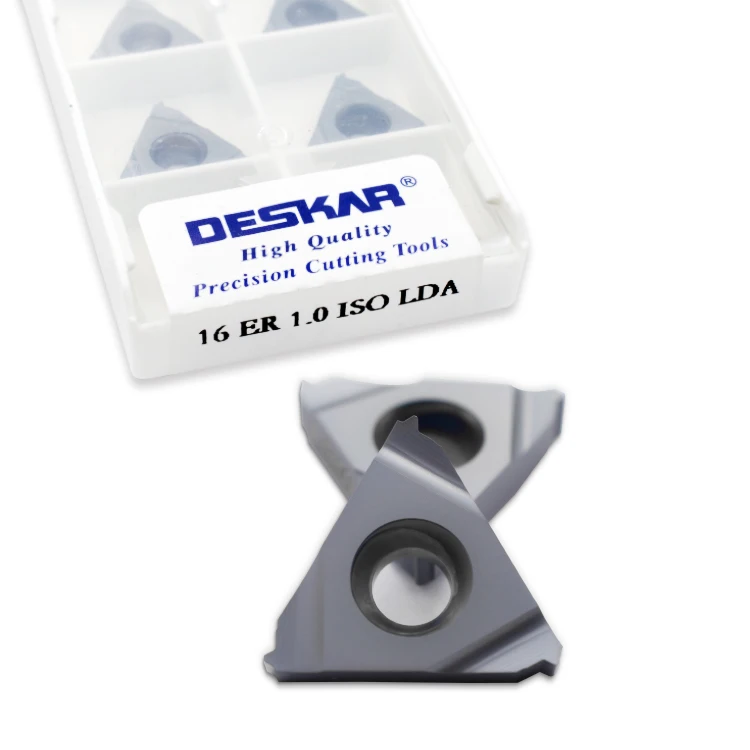
The lathe insert tooling is a special tool for use in a lathe. It’s useful for cutting, shaping or drilling materials such as metal or wood. Consider it a useful utility that helps your work go faster and more smoothly. Lathe insert tooling comes in many shapes and sizes, so you can select the right one for your project.
When choosing the right lathe insert tooling for your job, consider the material being cut and the type of cut desired. For instance, if you are facing hard materials such as metal, you would prefer carbides lathe insert tooling. Carbide is quite strong, and can make cuts in hard materials with ease. But if you are working with more delicate material such as wood, you may not get what you want with the same type of lathe insert tooling for that.
To achieve the best results with your lathe insert tooling, you can adhere to the following steps. First off, make sure you lathe insert tooling is sharp. Note that a sharp tool is easier to use and leaves a smoother finish. And use the appropriate cutting speed and feed rate for your tooling. Various materials and types of tools all require varying speeds and feeds to work efficiently.
There are many advantages of carbide lathe insert tooling which is why it’s popularity is increasing. Carbide is tough and long-wearing, usually requiring replacement only after substantial use. It’s capable of cutting through heavy-duty materials such as metal with ease, so you get your work done faster. Carbide tooling leaves extremely smooth, accurate cuts, so your projects will have that highly finished look.
Everything is getting better all the time, so it should be with lathe insert tooling. There are a number of new innovations and enhancements that are continuing to improve on lathe insert tooling for the better. For instance, some companies are developing new coatings to put onto inserts to help them last longer and cut better. Others are working on reconfiguring the shape of the inserts so that they become more flexible and capable of accommodating a wider variety of cuts.