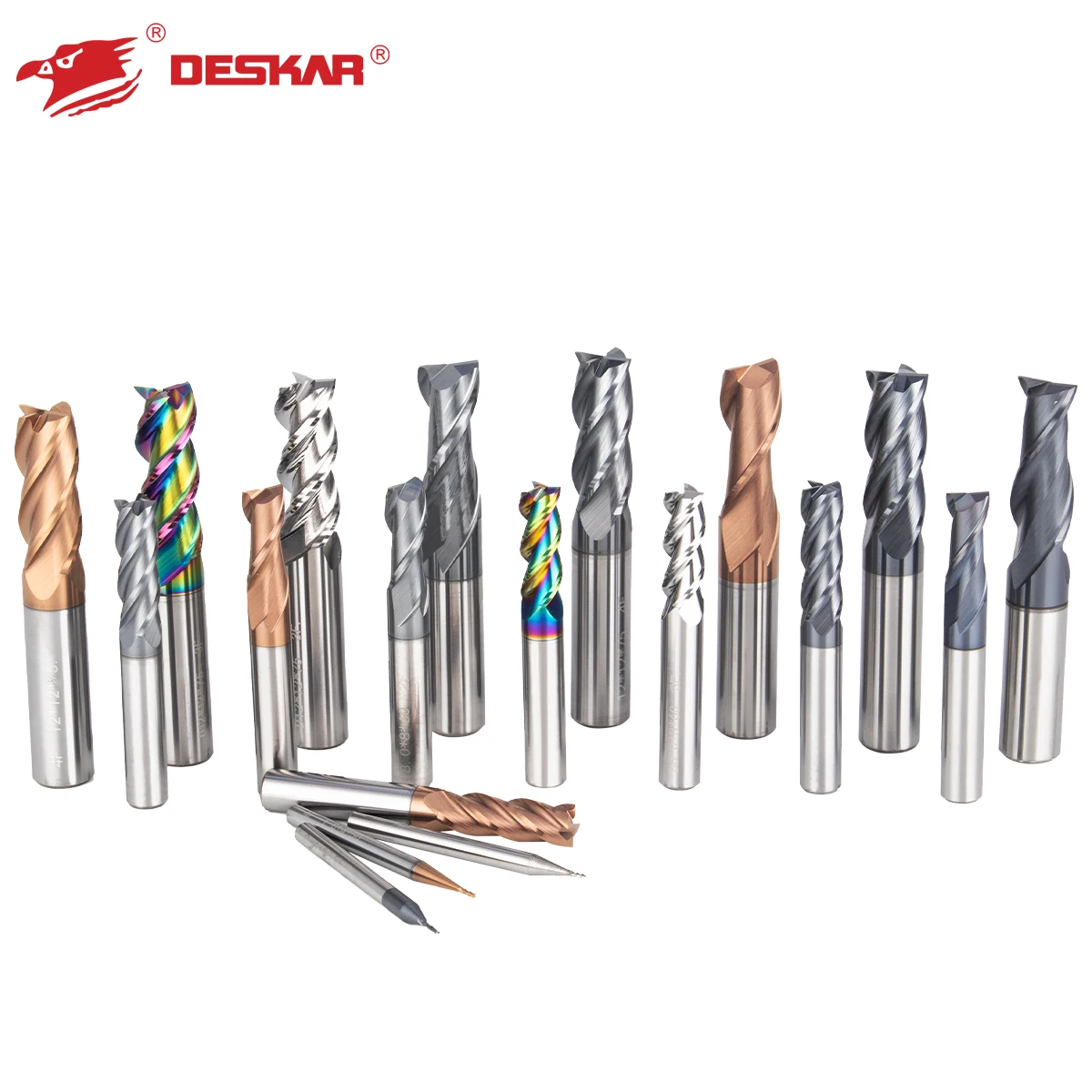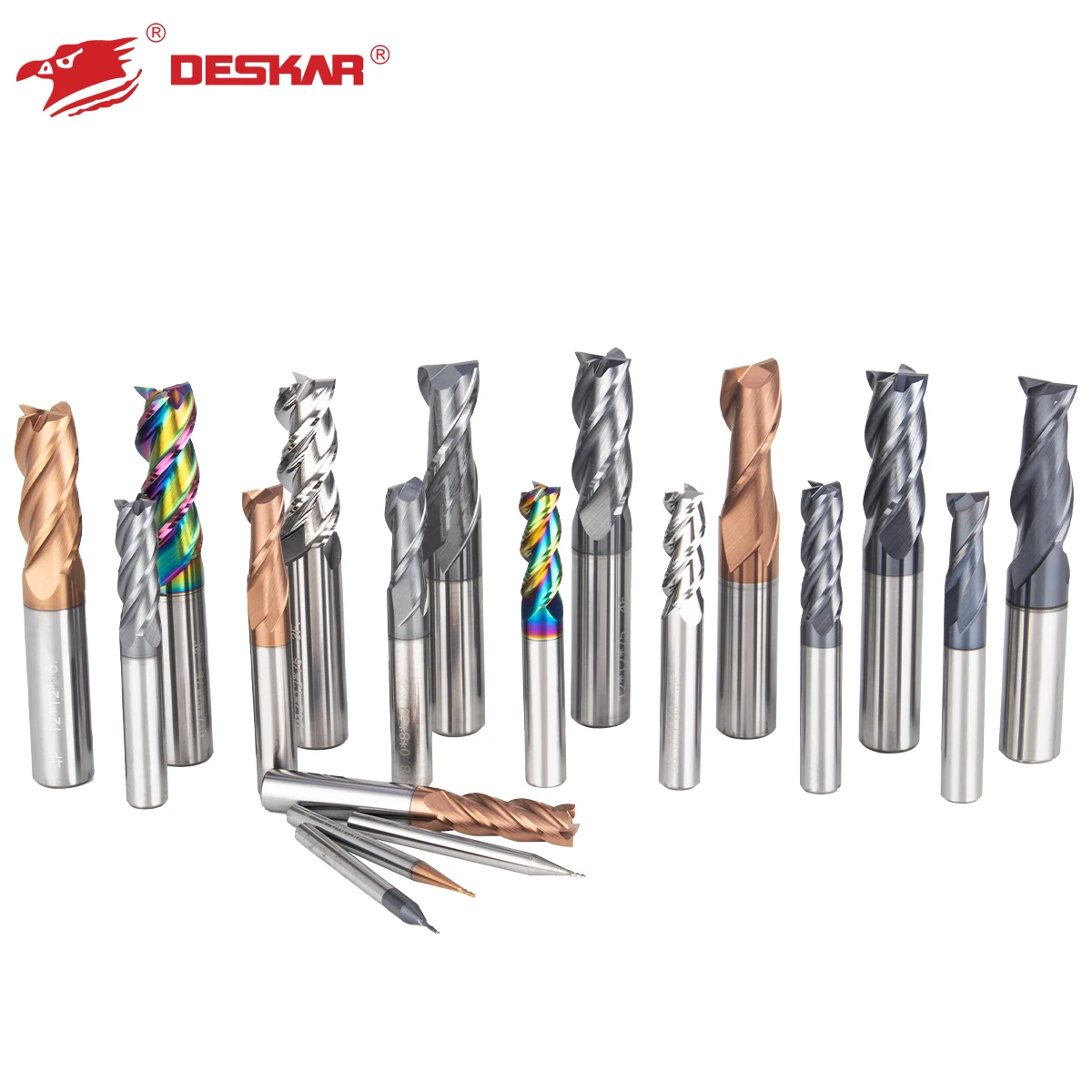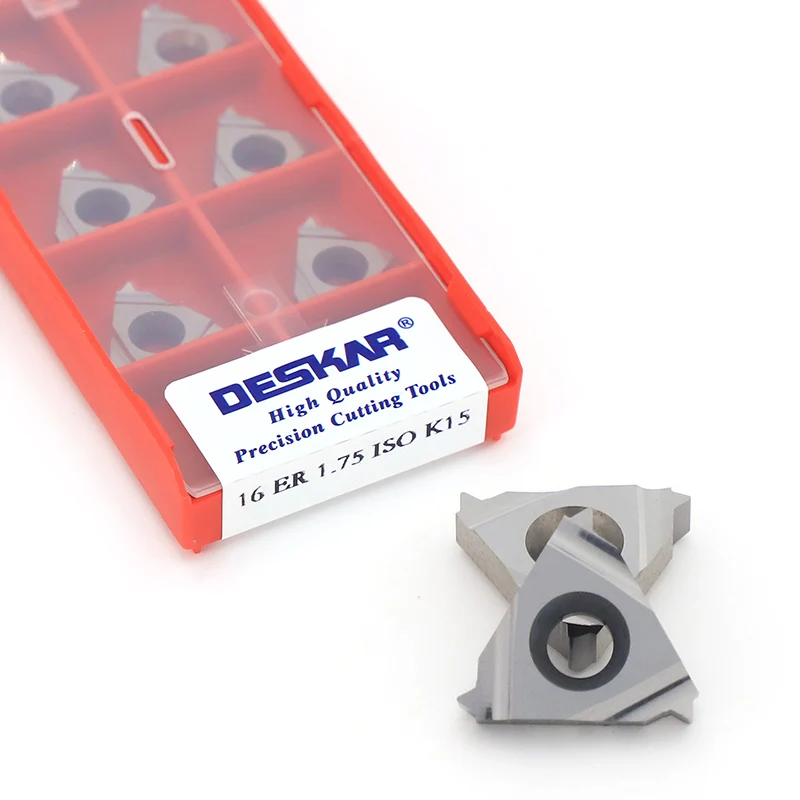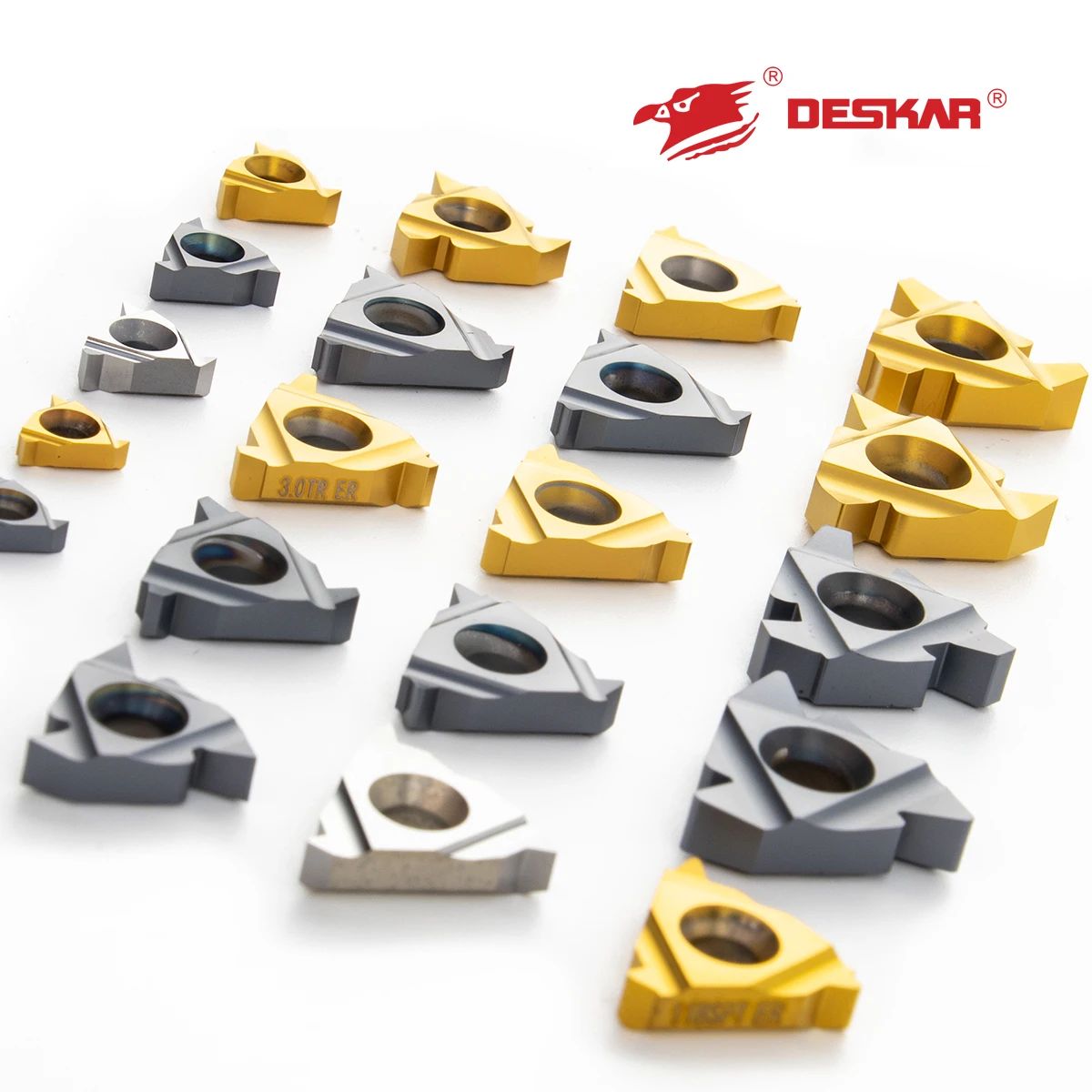
Lathe cutters play a pivotal role in precision machining, providing the ability to shape and finish materials with high accuracy. As a B2B buyer, understanding the specifications, quality and application of carbide end mill cutter is crucial for making informed purchasing decisions. This article will guide you through essential factors to consider when sourcing lathe cutters, helping you navigate quality insights, bulk order benefits, material advantages and common issues that may arise during their use.
When sourcing lathe cutters, several key specifications must be considered to ensure they meet your operational needs. These include:
Material Composition: Lathe cutters are commonly made from high-speed steel (HSS), carbide, or cobalt. Each material offers different levels of hardness, durability, and thermal resistance, influencing the cutter's lifespan and performance. For instance, carbide cutters are generally preferred for their superior hardness and wear resistance, making them suitable for high-speed machining.
Coating Types: Coatings such as PVD (Physical Vapor Deposition) or CVD (Chemical Vapor Deposition) enhance the performance of lathe cutters by providing additional hardness and reducing friction. When evaluating potential suppliers, inquire about the specific coatings used and their intended benefits.
Dimensions and Tolerances: Ensure that the cutters' dimensions align with your machinery requirements. Tolerances are critical for achieving precise machining results. A mismatch may lead to poor fitment and compromised workpiece quality.
Geometric Design: The cutter's geometry, including rake angle, clearance angle, and cutting edge configuration, impacts its effectiveness for various applications. Different geometries are optimized for specific materials and machining processes, so understanding your application is key to selecting the right cutter.
Shank Size and Compatibility: The shank size should be compatible with your lathe machine. A mismatch can lead to operational inefficiencies or damage. Always verify the specifications against your machine's requirements.
Quality is paramount when selecting lathe cutters, as it directly affects machining performance and product quality. Here are several insights to consider:
Manufacturing Processes: Understanding the manufacturer's production methods can provide insights into the quality and consistency of the cutters. Look for manufacturers that utilize advanced technologies and strict quality control measures to ensure uniformity in production.
Testing and Certification: Inquire about any testing protocols the manufacturer follows, including performance tests for durability, hardness, and cutting efficiency. Certifications from reputable bodies can also add credibility to the manufacturer's claims regarding quality.
Performance Feedback: Seeking feedback from other users or industry peers can provide valuable insights into the cutter's performance in real-world applications. Engaging with online forums or industry groups can help inform your decision.
Bulk ordering lathe cutters can bring several advantages, especially for companies with significant production needs:
Cost Efficiency: Purchasing in bulk often leads to lower unit prices, which can significantly reduce overall production costs. Suppliers may offer discounts or favorable payment terms for larger orders.
Supply Consistency: Bulk orders help ensure a steady supply of cutters, reducing the risk of delays in production caused by stock shortages. This is particularly important for businesses operating on tight schedules.
Customization Options: When ordering in bulk, manufacturers may be more willing to accommodate customization requests, such as specific coatings or geometries tailored to your production needs.
Quality Assurance: Ordering large quantities allows for better quality assurance, as you can conduct extensive testing on a sample batch before committing to the entire order. This is crucial for confirming that the product meets your specifications.
The choice of material for lathe cutters is integral to their performance and suitability for specific applications. Here's a brief overview of common materials and their advantages:
High-Speed Steel (HSS): HSS cutters are versatile and cost-effective, suitable for general-purpose machining. They maintain their hardness at high temperatures and are easier to sharpen compared to carbide options.
Carbide: Carbide cutters offer exceptional hardness and wear resistance, making them ideal for face milling cutter high-speed and high-volume machining operations. They excel in cutting harder materials but can be more brittle than HSS.
Cobalt: Cobalt cutters combine the benefits of HSS and carbide, offering higher hardness and improved wear resistance. They are suitable for cutting tough materials where both strength and durability are crucial.
The choice of material should be based on the specific application, including factors such as the type of material being machined, required precision, and cutting conditions.
Despite their reliability, lathe cutters can encounter several common problems during use. Understanding these issues and their solutions can help mitigate operational disruptions:
Chipping and Breakage: This can occur due to excessive feed rates, incorrect cutting speeds, or unsuitable material hardness. To prevent this, ensure proper machine settings and select a cutter with the appropriate specifications for the material being machined.
Tool Wear: Regular wear is inevitable but can be accelerated by improper cooling or using the wrong cutting parameters. Employing the correct coolant and monitoring wear patterns can help extend the cutter's lifespan.
Poor Surface Finish: A rough finish may result from dull cutters or improper cutting speeds. Regularly inspecting and replacing cutters before they become excessively worn can maintain the quality of the finished product.
Incompatibility with Machinery: Cutters that do not fit properly can lead to fly cutter mill operational issues. Always verify compatibility with your lathe machine and consider testing samples before placing larger orders.
By proactively addressing these common challenges, buyers can ensure smoother operations and maintain high-quality production standards.