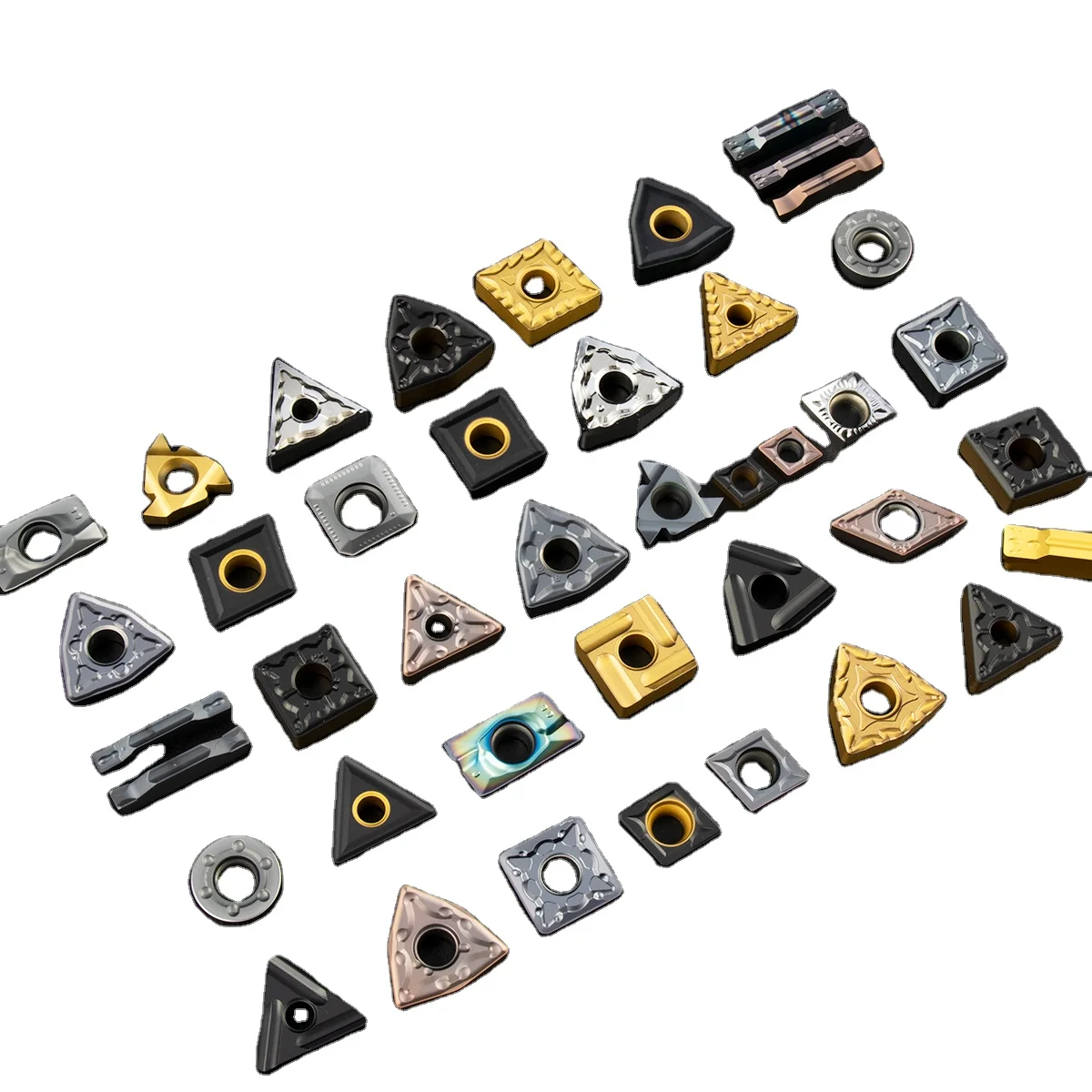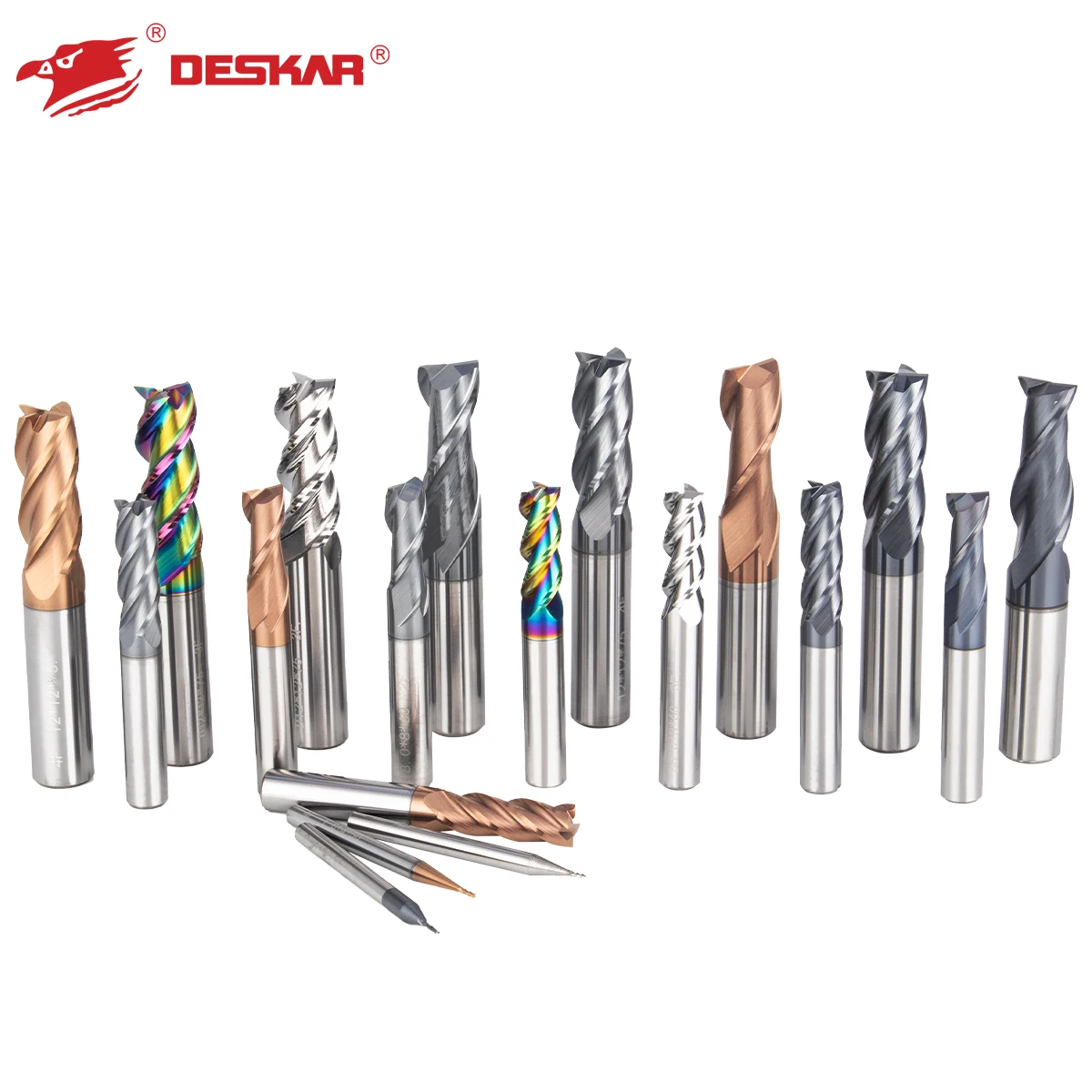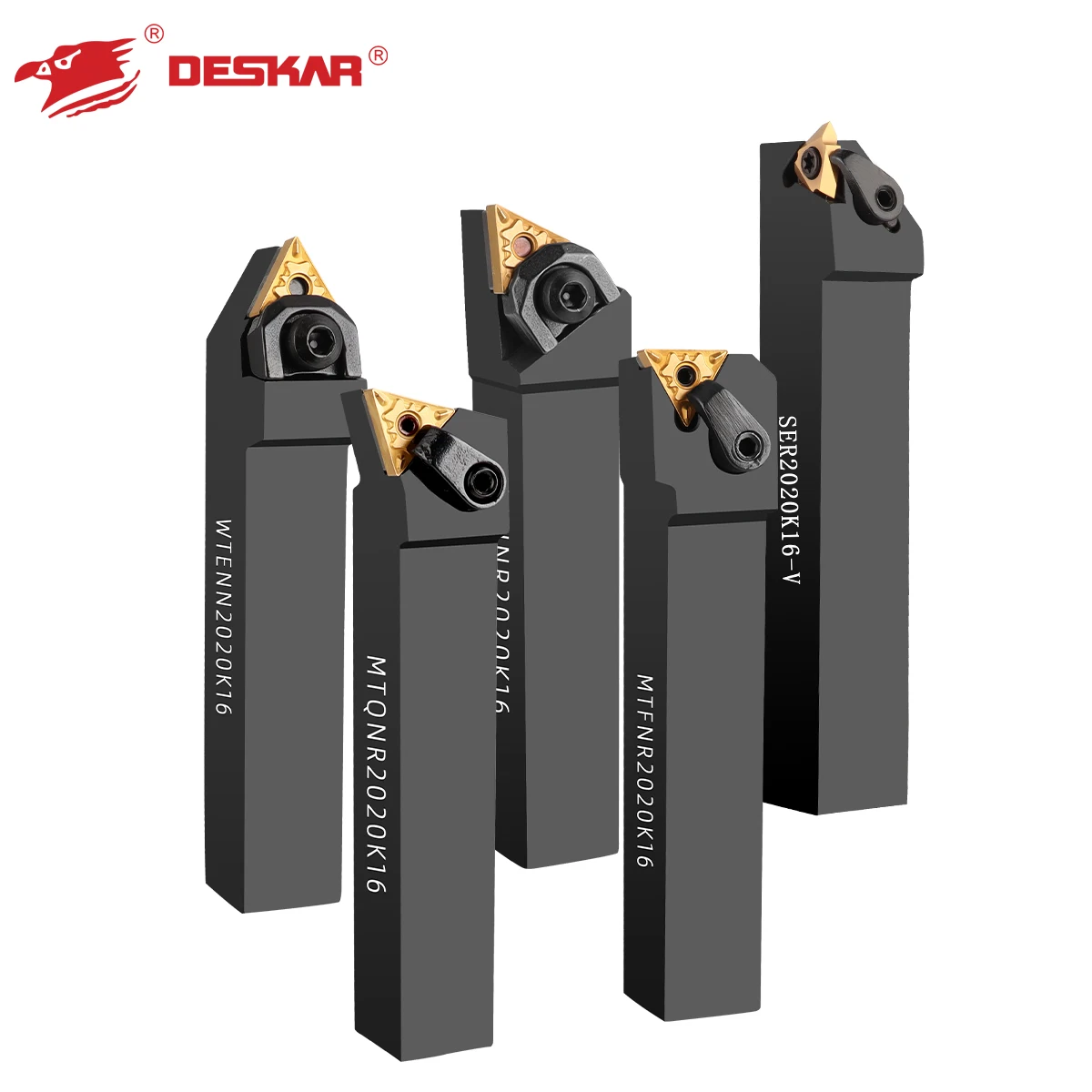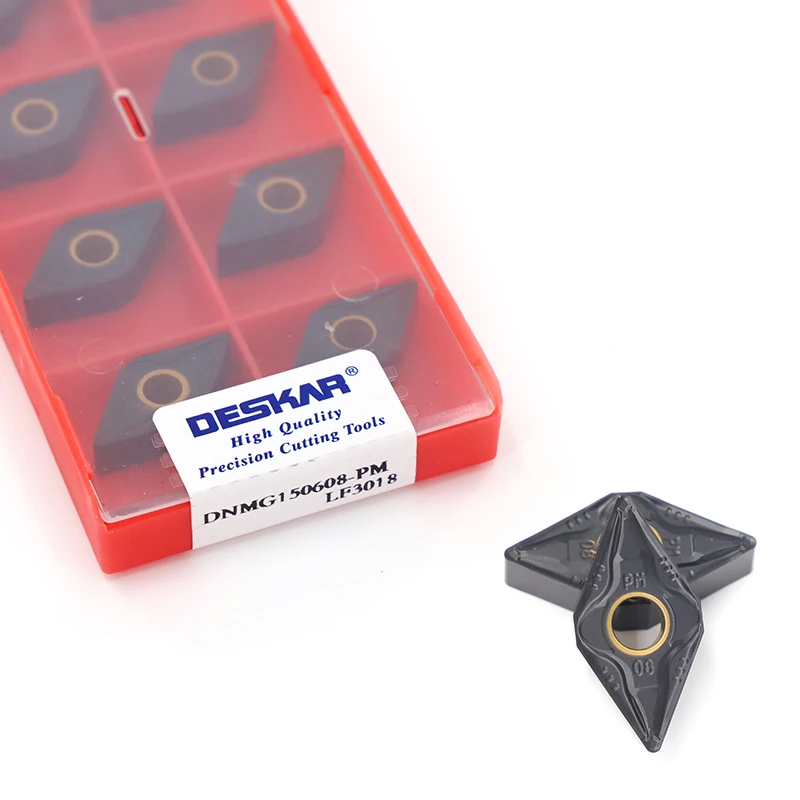
Lathe blades are essential tools in the machining process, designed to cut and shape materials with precision. For B2B buyers, the main concerns when sourcing lathe blades often include quality, compatibility with machinery, and cost-effectiveness. This article will provide insights into key specifications, selection criteria, sourcing options, best practices, and expert tips to help you make informed purchasing decisions.
When evaluating lathe blades Products, several key specifications should be assessed to ensure they meet your operational needs. These include:
Material Composition: The type of material used in the blades affects their durability and performance. High-speed steel (HSS), carbide, and cobalt are common materials, each offering different advantages in terms of hardness and wear resistance.
Coating Options: Coatings such as PVD (Physical Vapor Deposition) and CVD (Chemical Vapor Deposition) can enhance the performance of lathe blades by providing a harder surface that reduces friction and increases longevity.
Dimensions: The size and shape of the lathe blades must align with the specifications of your machines. Pay attention to the blade length, thickness, and cutting edge geometry to ensure compatibility.
Tolerance Levels: Precision in the manufacturing process determines the tolerance levels of the blades. A tighter tolerance often results in better performance, especially in applications requiring high accuracy.
Production Capacity: Understanding the manufacturer's production capabilities can help you gauge their ability to fulfill large orders or custom requests efficiently.
Quality Control Processes: Reliable suppliers will have stringent quality control measures in place, including testing for hardness, durability, and performance under operational conditions.
Selecting the appropriate lathe blades involves understanding the specifics of your projects and the materials you will be working with. Here are crucial factors to consider:
Application Type: Determine the primary application of the lathe blades. Different materials and coatings may be suited for operations such as turning, milling, or finishing. For example, carbide blades are often preferred for high-speed machining due to their durability.
Material Characteristics: Assess the workpiece material. Harder materials require blades with superior wear resistance. For instance, machining stainless steel may necessitate carbide blades with specialized coatings.
Machine Compatibility: Ensure that the lathe blades are compatible with your existing machinery. Verify the mounting style and dimensions to prevent operational issues.
Performance Requirements: Consider the cutting speed and feed rates your application demands. The right blade should support these parameters without compromising quality or efficiency.
Customization Needs: If standard blades do not meet your specifications, discuss customization options with the manufacturer to achieve the desired performance.
Sourcing high-quality lathe blades can be approached through several channels:
Direct Manufacturers: Establishing a relationship with a reputable manufacturer like LIFENG PRECISION TOOLS (ZHEJIANG) CO., LTD allows you to access customized solutions and potentially lower prices through direct purchasing.
Distributors: Consider working with established distributors who can provide a range of products from multiple manufacturers. This approach can simplify the purchasing process and offer more options.
Online Marketplaces: E-commerce platforms and industrial supply websites can be useful for comparing prices and product specifications. However, ensure that you verify the credibility of the sellers and the quality of their products.
Trade Shows and Industry Events: Attending industry-specific events can provide valuable networking opportunities and direct access to manufacturers showcasing their latest innovations.
Recommendations: Seek recommendations from peers in the industry. First-hand experiences can guide you toward reliable suppliers and products.
To ensure a smooth purchasing experience and optimal product performance, consider the following best practices:
Request Samples: Before placing a bulk order, request samples of the lathe blades. Testing the samples under actual operating conditions can reveal potential issues and confirm compatibility.
Verify Specifications: Confirm all technical specifications with the supplier, including material, dimensions, and tolerances. Misunderstandings at this stage can lead to costly production delays.
Understand Lead Times: Inquire about lead times for production and shipping, especially for custom orders. This allows you to plan your procurement schedule effectively.
Review Packaging Methods: Ensure that the packaging will protect the blades during transit. Damaged products can lead to increased costs and delays.
Establish Quality Standards: Define the quality standards you expect and communicate them clearly to your supplier. This can include testing protocols or performance benchmarks.
When evaluating potential suppliers for lathe blades and CNC blade, consider these expert tips:
Experience in the Industry: Look for suppliers with a proven track record in the manufacturing of lathe blades. Experience often correlates with a better understanding of quality and performance requirements.
Technical Support: Choose suppliers who offer technical support and guidance regarding product selection, operation, and maintenance. This can enhance your overall experience and reduce the risk of issues arising.
Certifications and Compliance: Verify that the supplier adheres to relevant industry standards and holds necessary certifications. This can be an indicator of their commitment to quality.
After-Sales Service: Assess the level of after-sales support provided by the supplier. A reliable supplier should be responsive to inquiries and willing to assist with any post-purchase issues.
Customer Reviews: Research customer reviews and case studies to gain insights into the supplier's reliability and the performance of their products.
By following these guidelines, purchasing managers, engineers, and product managers can make informed decisions when sourcing lathe blades, ensuring they select the right products for their specific applications.