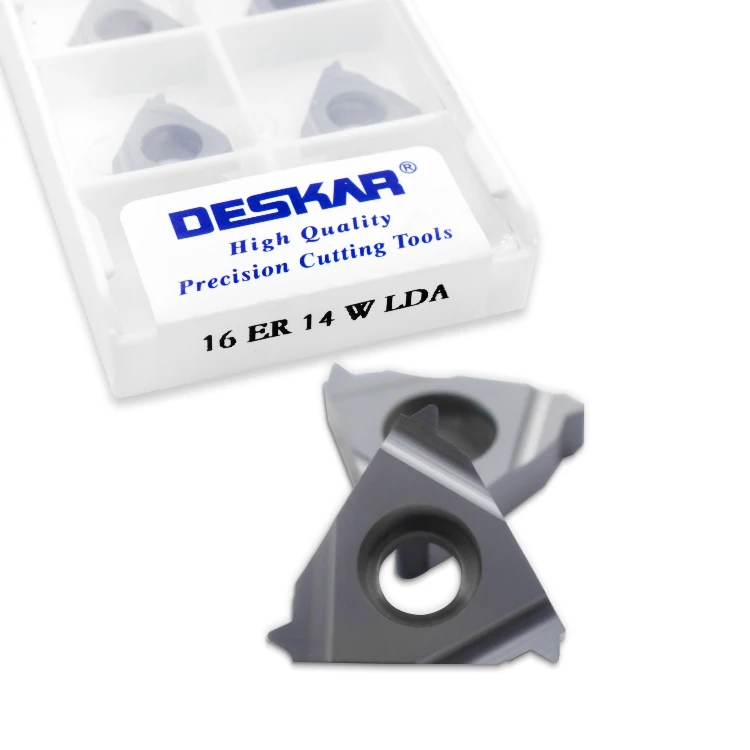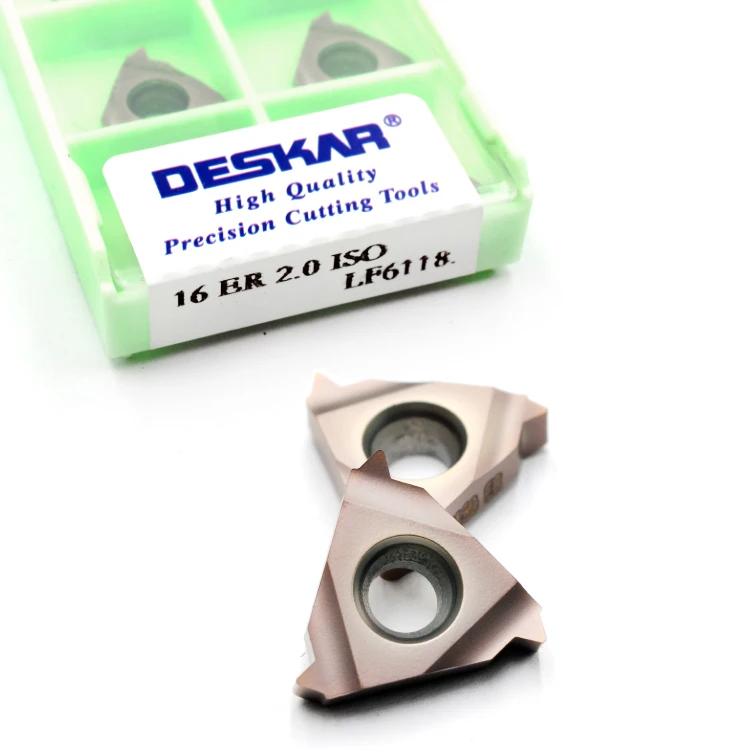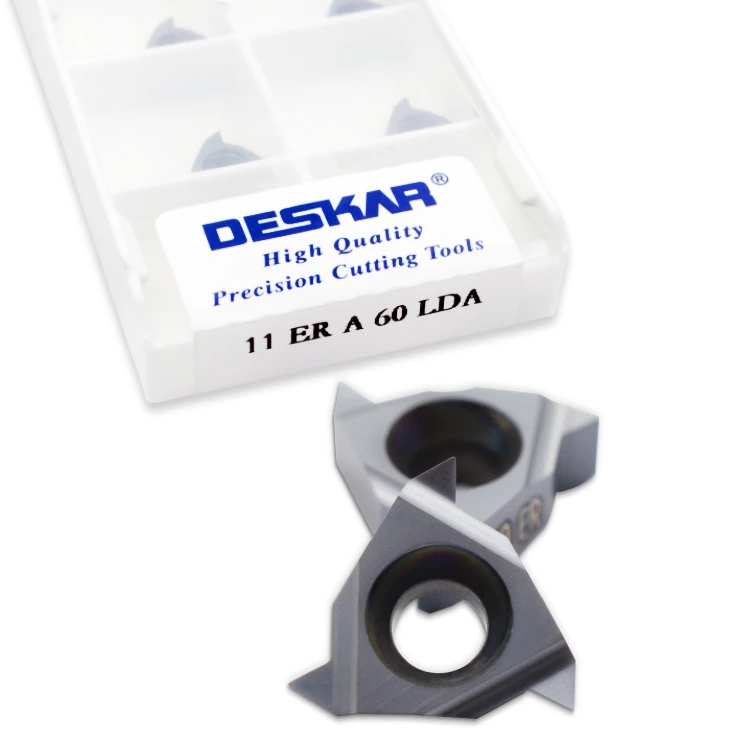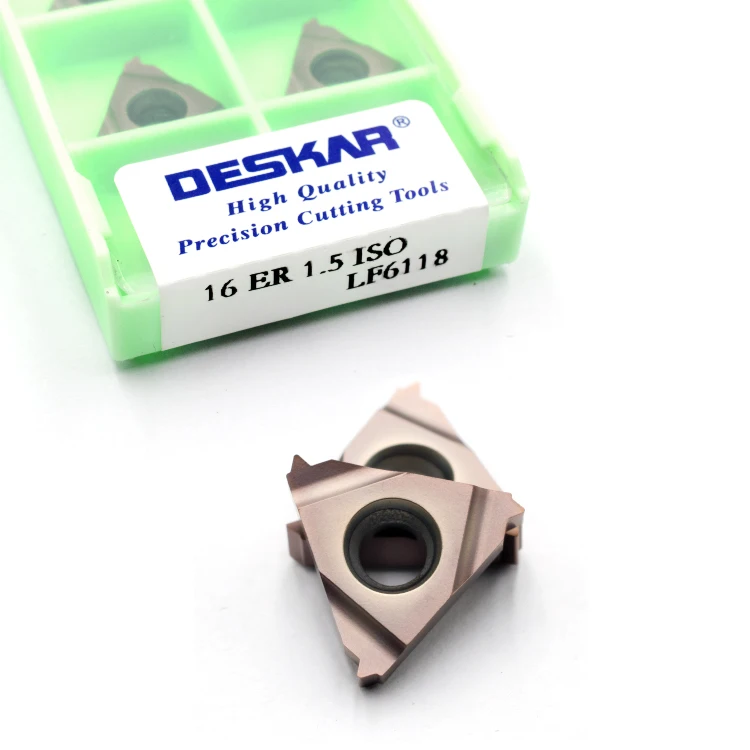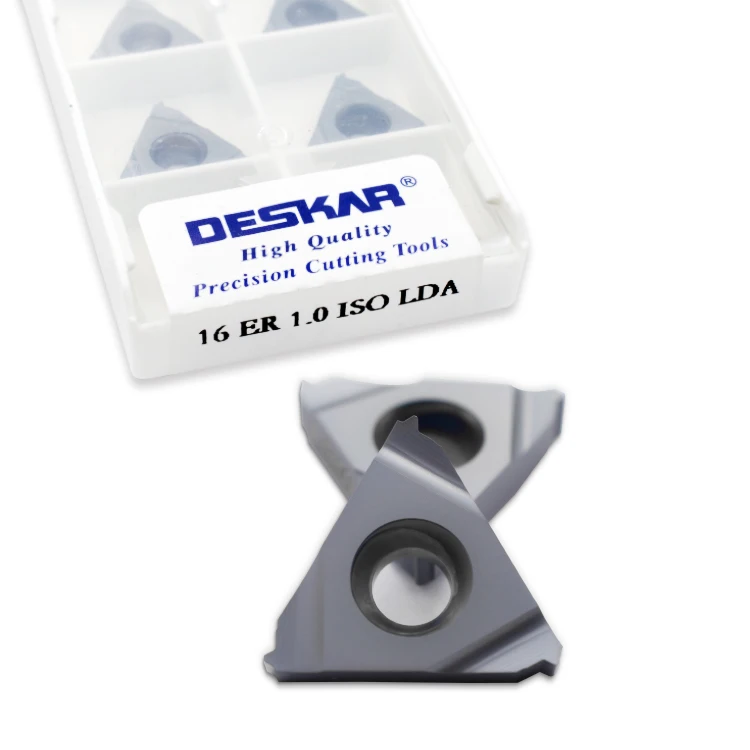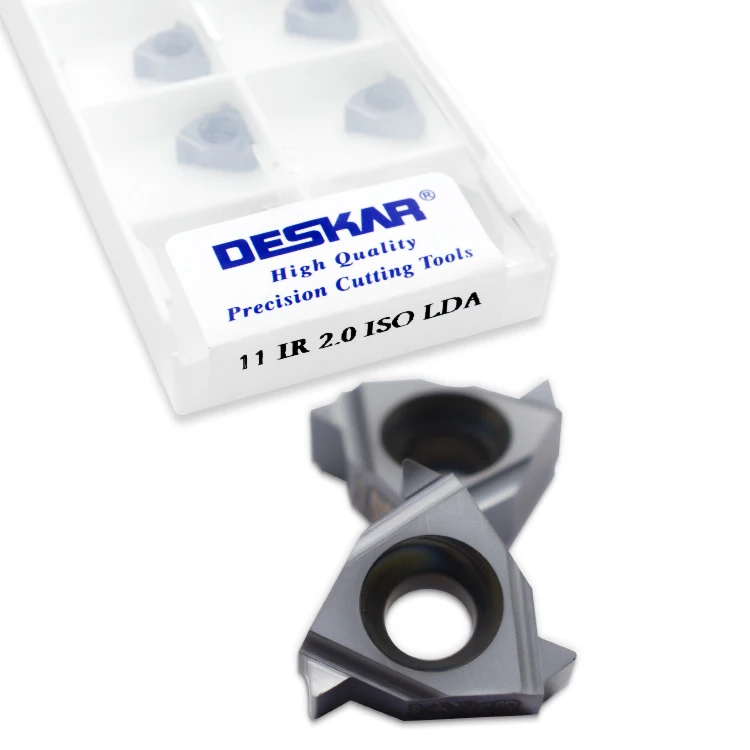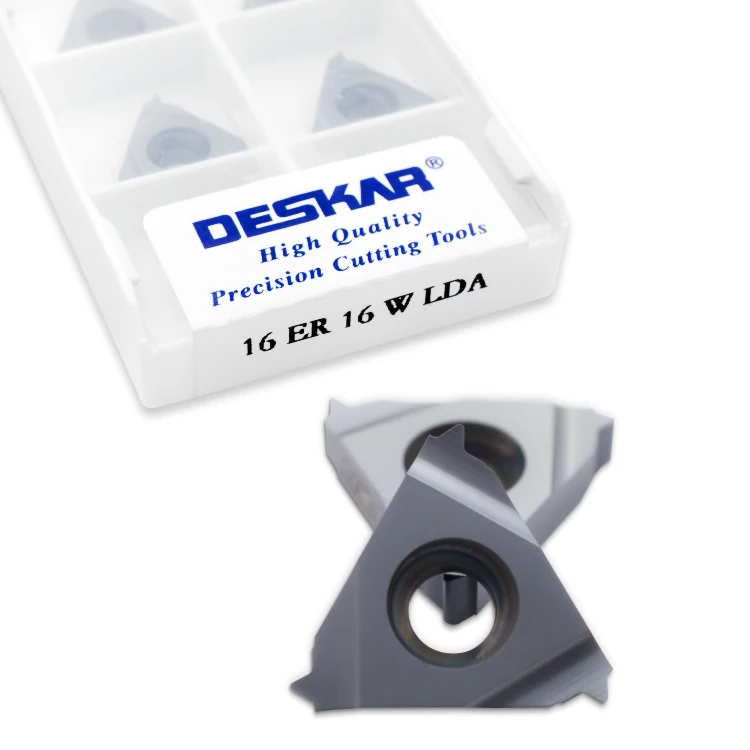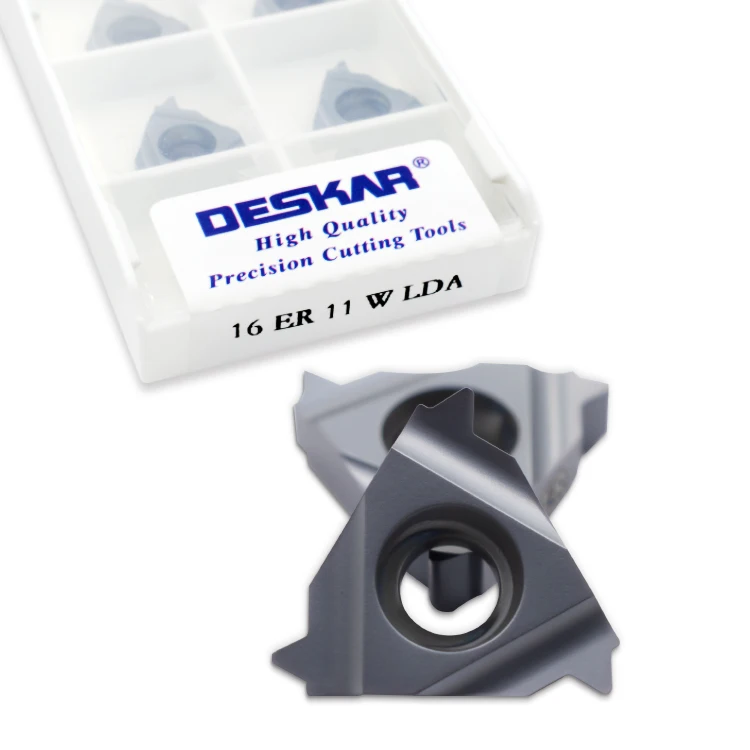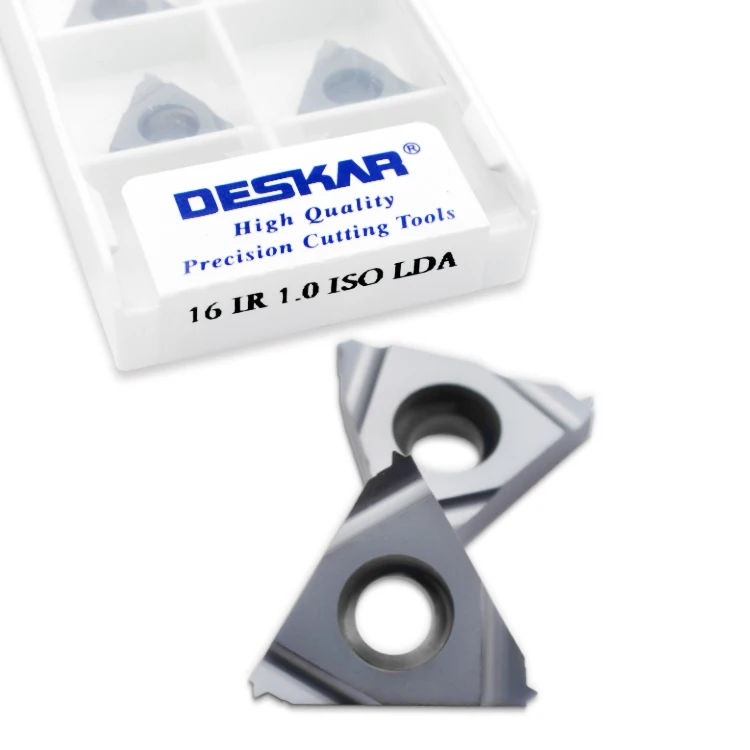
Indexable carbide inserts are unique cutting tools that can simplify the machining process. These are carbide inserts, which are a type of very strong material. They’re used in machines that cut and shape metal, wood and other materials into various sizes and shapes.
Indexable carbide inserts are small, removable tips for cutting tools. And they come in all sorts of shapes and sizes, each designed for a specific cutting job. The inserts mount to machine tools and can be easily swapped if they become dull or damaged. This makes machining faster, and it saves money.
There are numerous benefits to using indexable carbide inserts. For one, they are incredibly strong, able to withstand both high temperatures and high speeds without breaking down easily. That means they outlast other cutting tools. What’s more, these inserts are precise and they can cut very well. This can be used to produce high quality products with good surfaces.
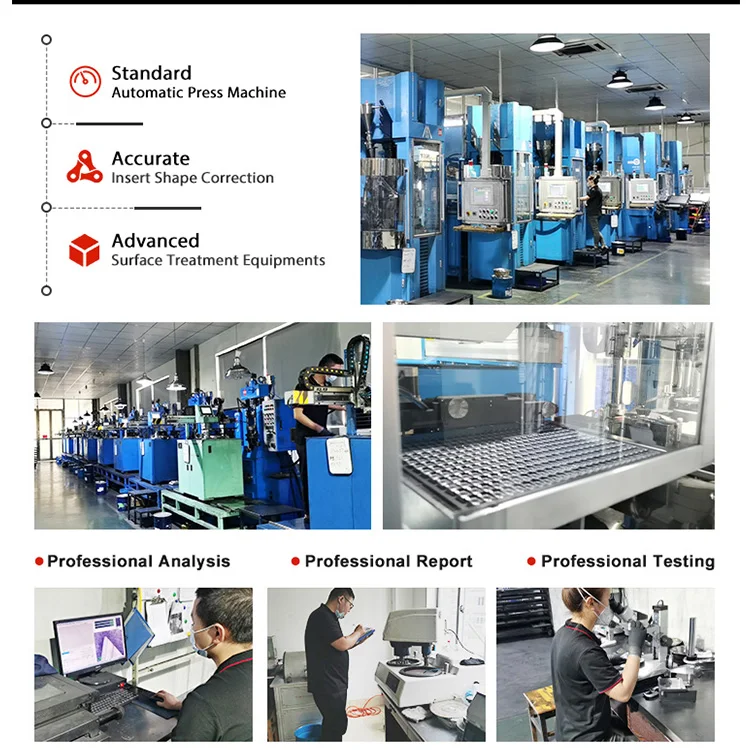
There are lots of styles and configurations of indexable carbide inserts to choose from, depending on the material you are cutting and desired result. A few of the most popular include square, round, triangle, and diamond. Different shapes offer distinct advantages for various cutting tasks. In order to obtain the best results, it is essential to choose the proper shape and type.

There are a couple of key things to consider when selecting indexable carbide inserts. First, determine what kind of material you’ll be cutting and how quickly you expect to cut it. This also helps you select the appropriate grade of carbide to use. Secondly, be sure to check that the insert shape & size is as per your machine & cutting requirements. Lastly, going for a great brand (like DESKAR) ensures you receive long-lasting high-quality inserts.

For you to increase the life of your indexable carbide inserts, you need to adhere to the following tips. 1/ STORAGE: Keep your inserts in a dry cool place, so it won’t rust, or get any damage. Second, do not cut at too high a cutting speed and feed rate for the material to avoid damage. Lastly, inspect your inserts for any signs of damage or dullness periodically, and replace them when necessary to maintain your machining processes running properly.