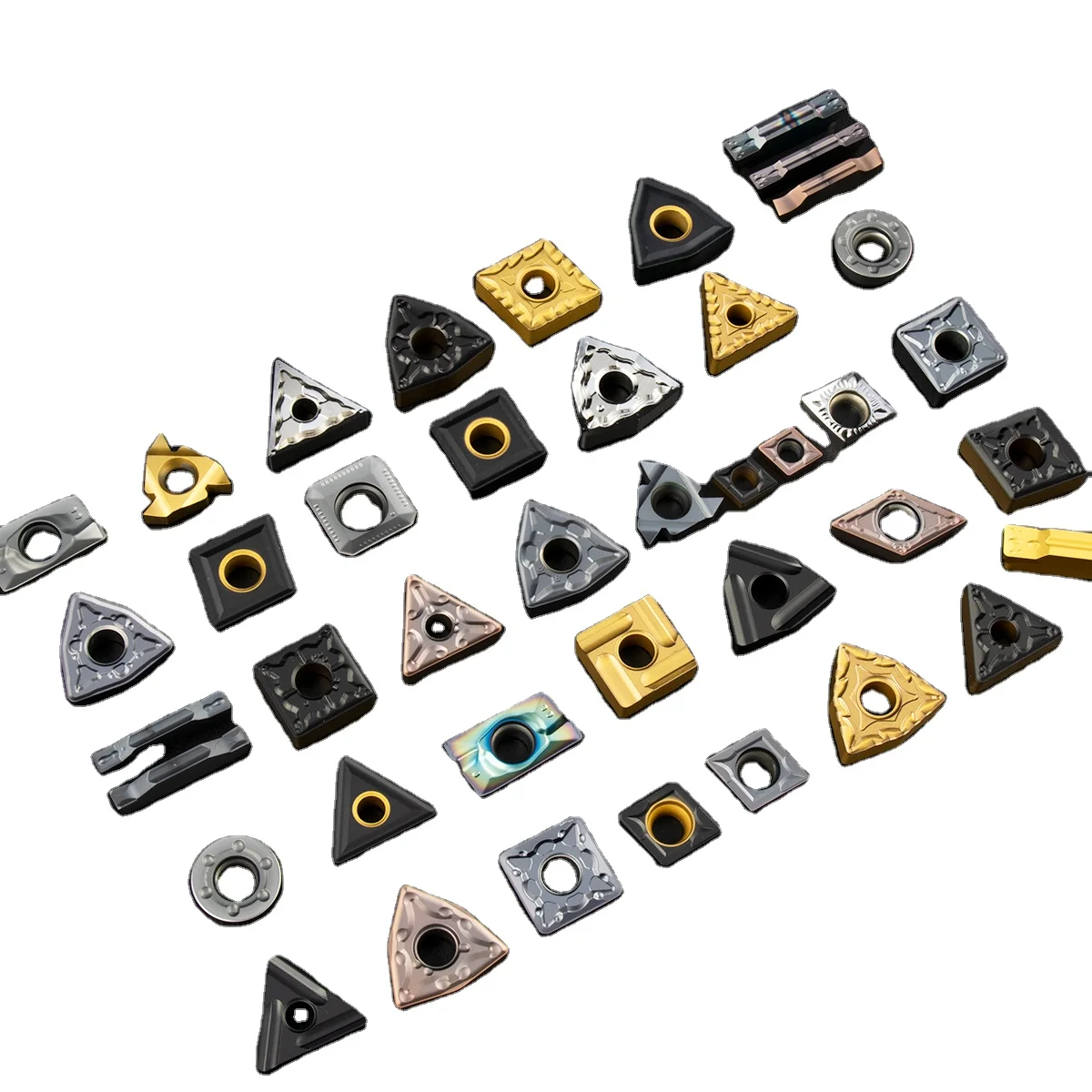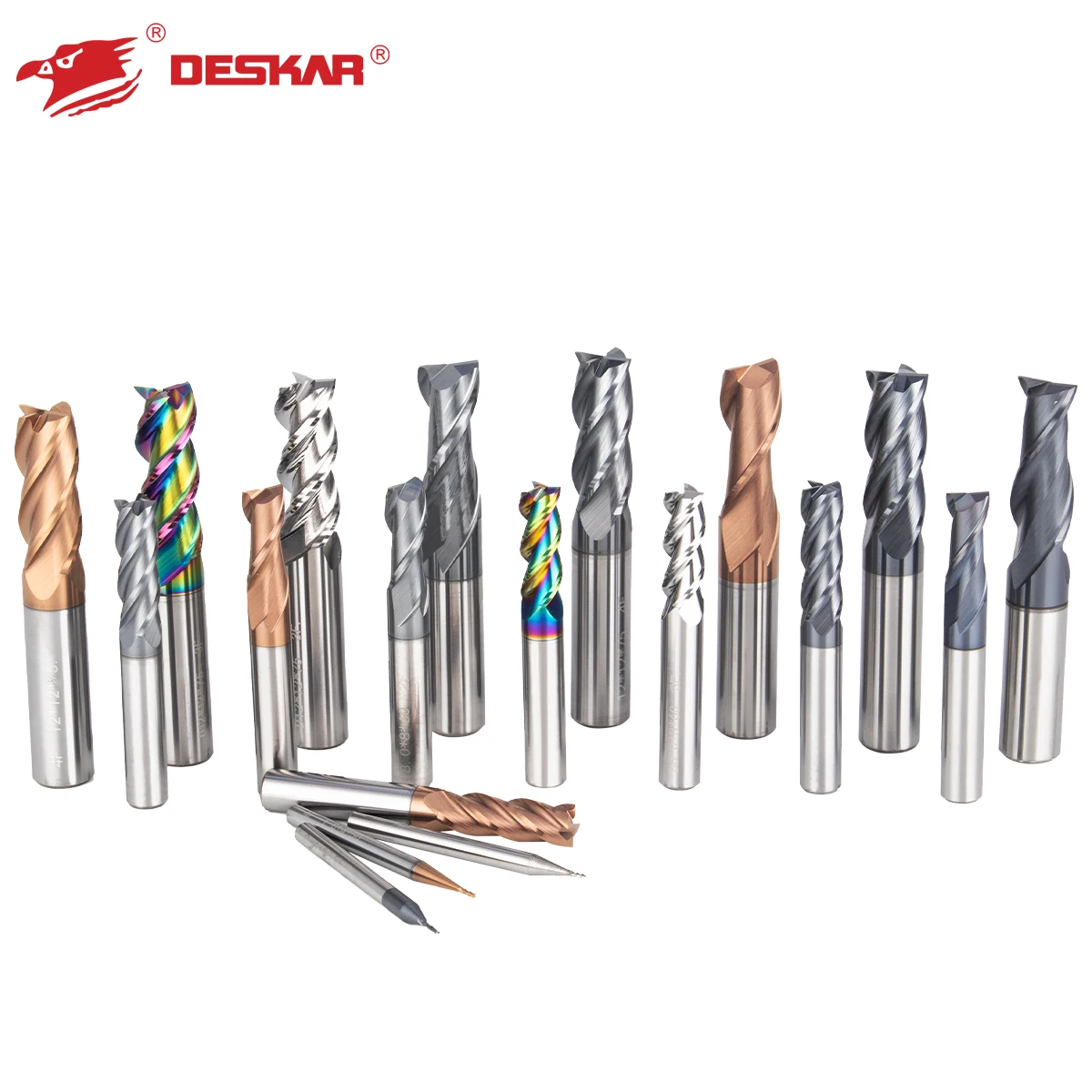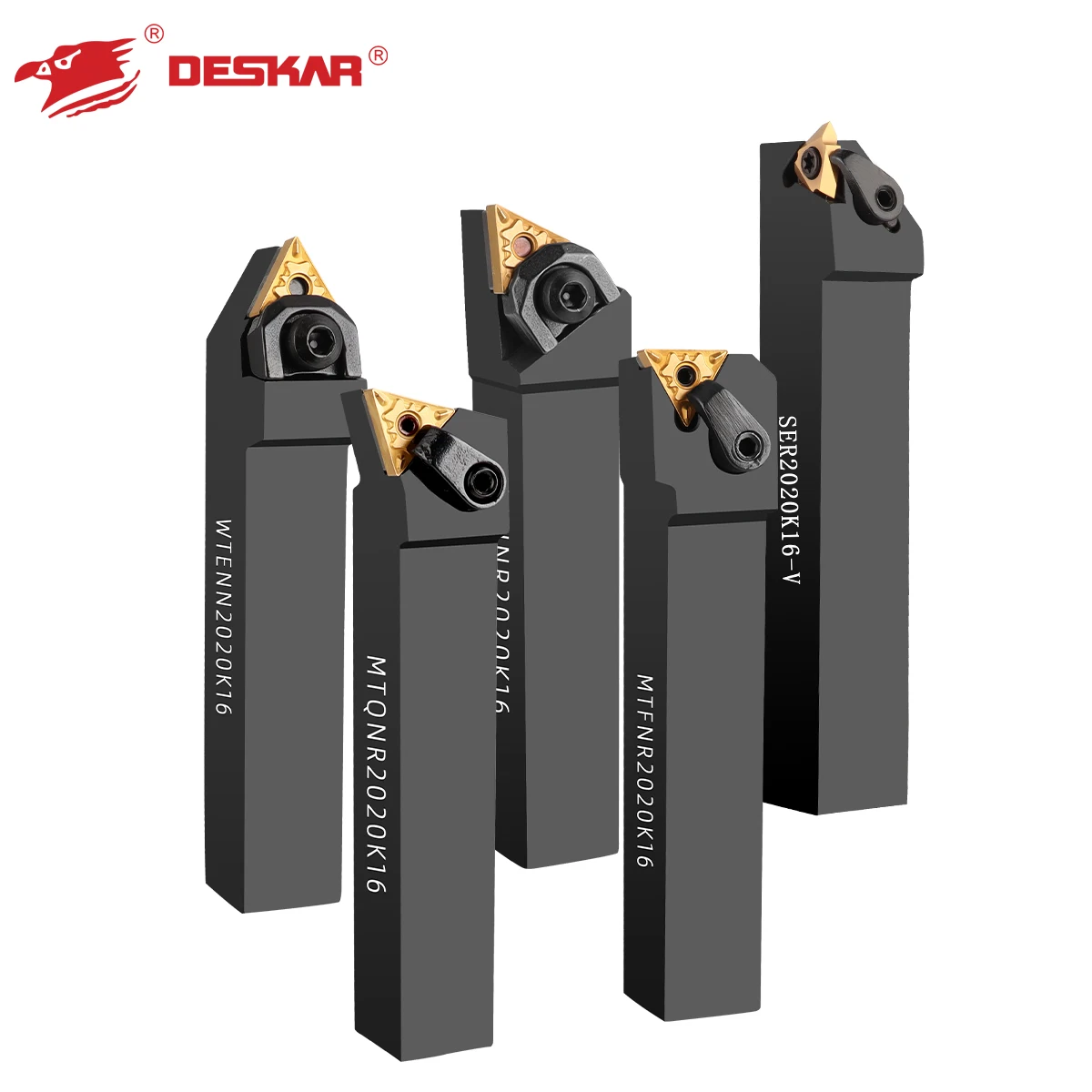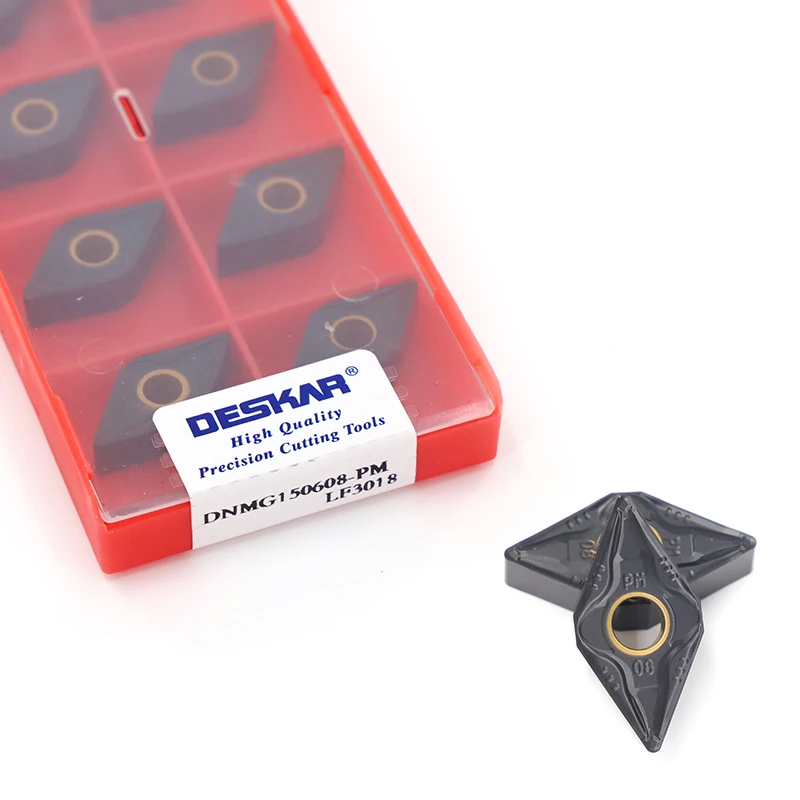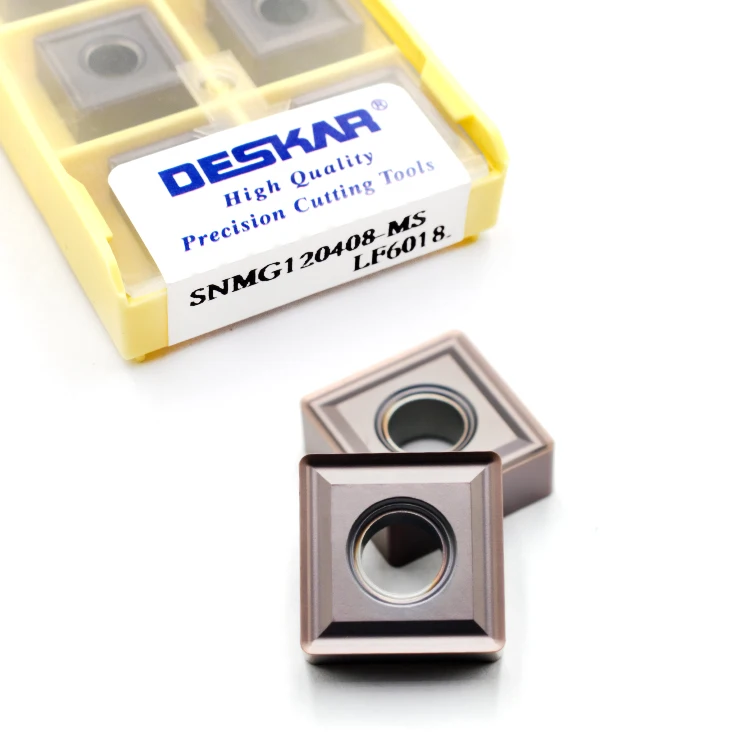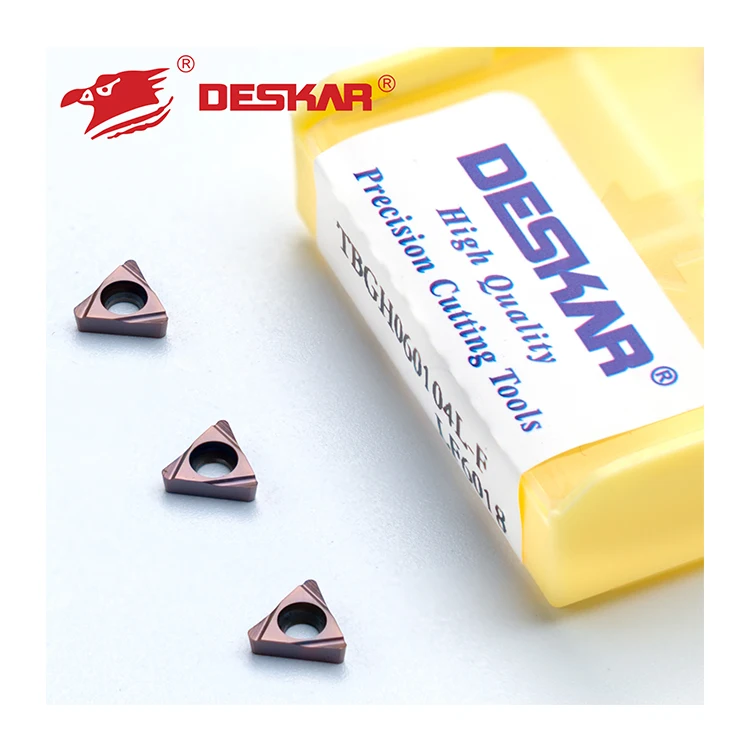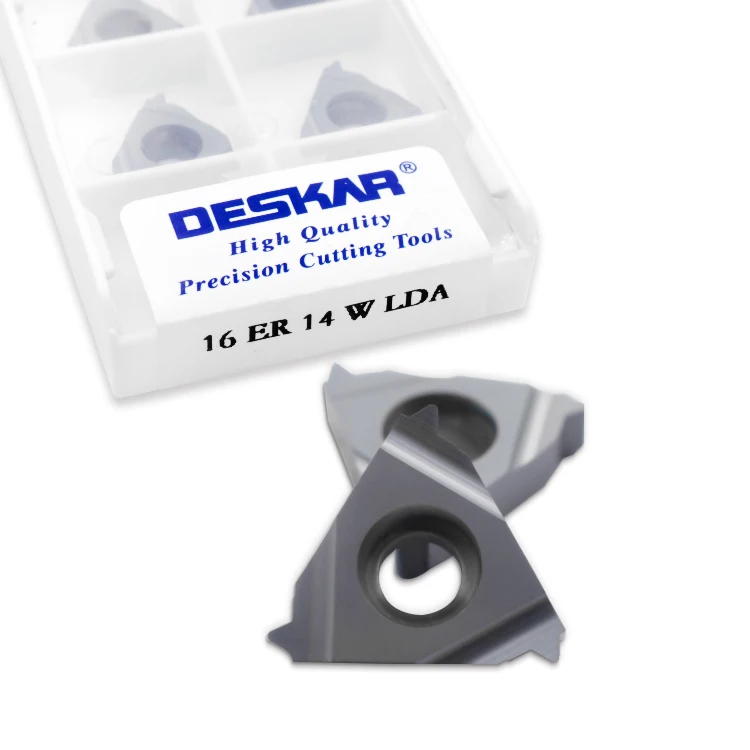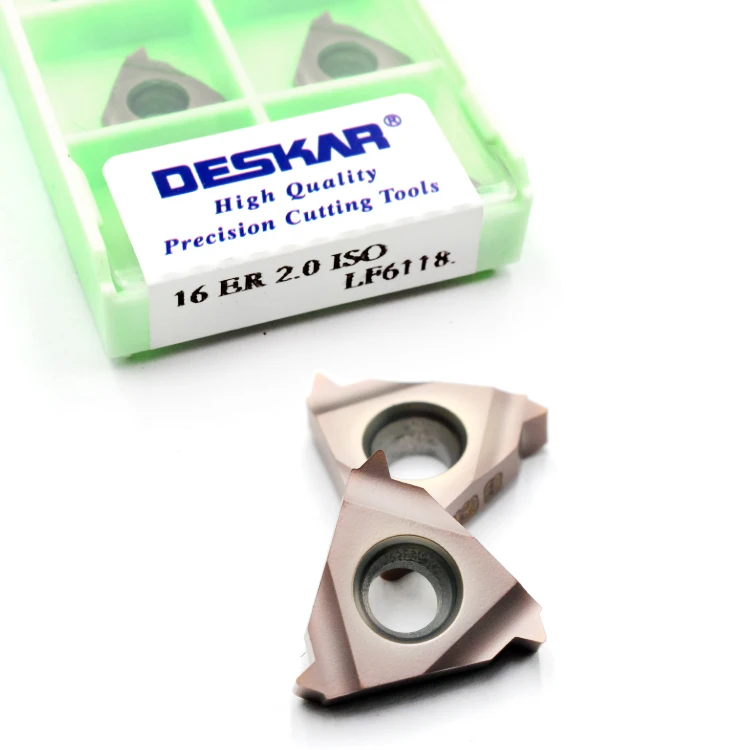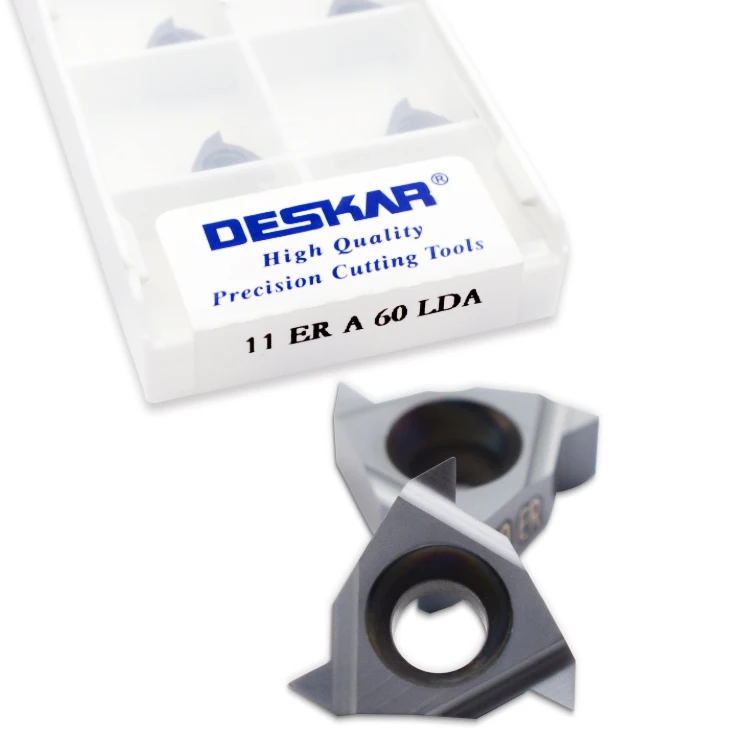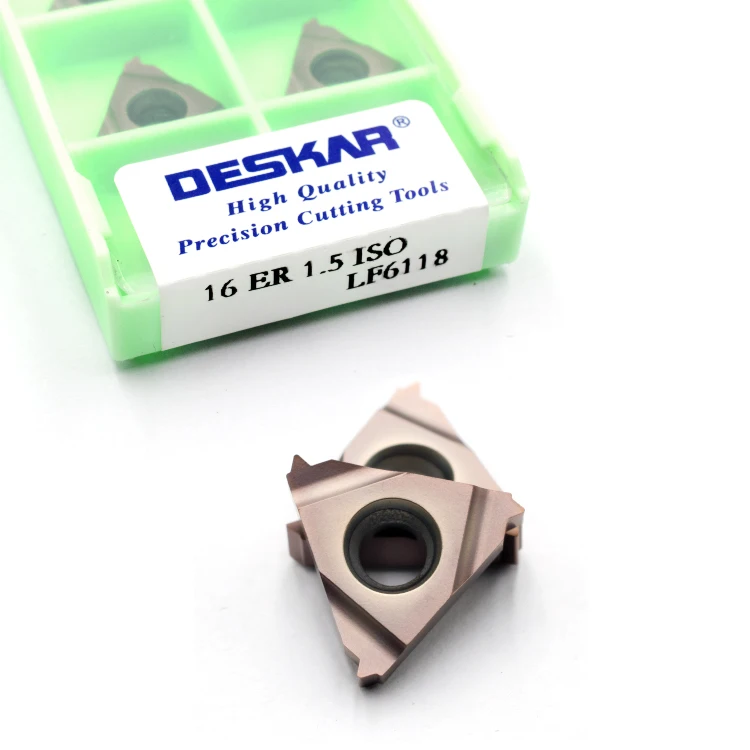
Grooving inserts are essential cutting tools in the manufacturing process, particularly in industries like automotive and aerospace. They are designed for grooving, parting, and profile machining operations. When selecting grooving inserts, B2B buyers often prioritize factors such as material compatibility, precision specifications, and overall performance. This article will delve into the key specifications, material advantages, supplier options, applications, and performance features of DESKAR radius grooving insert, providing critical insights for purchasing managers and engineers.
When evaluating grooving inserts, several key specifications must be taken into account to ensure optimal performance in your machining applications.
Insert Geometry: The geometry of the insert, such as its shape and cutting edge design, significantly affects its cutting efficiency and chip removal. A well-designed insert can enhance productivity and reduce tool wear.
Size and Dimensions: Precise dimensions are critical for compatibility with existing machinery. The insert's thickness, width, and overall size should align with the specific requirements of the workpiece and the cutting tool holder.
Coating Types: Coatings such as PVD (Physical Vapor Deposition) and CVD (Chemical Vapor Deposition) can enhance the insert's hardness and wear resistance. The choice of coating should depend on the material being machined and the operating conditions, such as temperature and pressure.
Tolerance Levels: High tolerance levels indicate precision manufacturing, which is vital for applications requiring detailed specifications. Ensuring that the tolerances meet industry standards is essential for maintaining quality and consistency in production.
Insert Material: The choice of material—usually carbide, ceramic, or high-speed steel—affects the insert's performance regarding hardness, toughness, and wear resistance. Carbide, for example, is often favored for its durability and ability to maintain sharp edges over extended use.
Understanding these specifications helps buyers ensure that the selected grooving inserts will meet their manufacturing needs effectively.
The material used in grooving inserts plays a crucial role in their performance and suitability for various applications. The two most common materials are carbide and ceramic, each with distinct advantages.
Carbide Inserts: Known for their high hardness and wear resistance, carbide inserts are ideal for machining tough materials. They maintain sharp cutting edges longer than traditional high-speed steel inserts, making them suitable for high-speed applications. Additionally, carbide inserts can handle higher temperatures, which is particularly beneficial in high-volume production environments.
Ceramic Inserts: These are suitable for high-speed machining of hard materials and can operate at elevated temperatures without significant wear. Ceramic inserts tend to be more brittle than carbide, which limits their use in applications involving shock loading or interrupted cuts. However, for continuous cutting operations, their longevity and performance can result in lower overall costs.
When evaluating the material for grooving inserts, consider the specific requirements of your application, including the type of material being machined and the expected cutting speeds. This will help ensure you choose inserts that offer optimal performance and longevity.
Finding reliable suppliers for grooving inserts is crucial for maintaining production efficiency and quality. Companies should consider the following factors when searching for suppliers:
Reputation and Experience: Look for suppliers with a solid reputation in the industry. Companies such as LIFENG PRECISION TOOLS (ZHEJIANG) CO., LTD, with their focus on high-precision DESKAR face grooving insert and strong R&D capabilities, are often reliable choices.
Customization Capabilities: Many projects require custom solutions. Suppliers that offer customizable grooving inserts can better meet specific application needs. Ensure the supplier can accommodate unique specifications, including dimensions and coatings.
Production Capacity: Assess the supplier’s ability to meet bulk order requirements. Understanding their production capabilities can help ensure timely delivery and consistent quality.
Quality Control Processes: A supplier's quality assurance measures should align with your standards. Look for suppliers that implement rigorous testing and quality control protocols.
Customer Support: Reliable customer service can enhance the purchasing experience. Suppliers should provide technical support, product recommendations, and after-sales service.
By considering these factors, buyers can find trustworthy suppliers that meet their needs for grooving inserts in bulk quantities.
Grooving inserts are widely used in both the automotive and aerospace industries, where precision and reliability are paramount. In automotive manufacturing, grooving inserts are essential for creating features such as grooves for O-rings, snap rings, and seals, which are critical for ensuring proper assembly and function of engine components. Their ability to achieve tight tolerances helps maintain the performance and efficiency of various automotive systems.
In the aerospace sector, where materials often include high-strength alloys and composites, grooving inserts are used for machining parts that require stringent quality and safety standards. The lightweight and strength of aerospace components demand inserts that can perform under challenging conditions, making the choice of material and insert geometry even more critical.
Understanding the specific applications of grooving inserts in these industries helps buyers make informed decisions about the inserts best suited for their manufacturing processes.
To maximize the effectiveness and lifespan of grooving inserts, several features should be prioritized:
Edge Design: Inserts with optimized cutting edge geometries can significantly enhance cutting efficiency and reduce vibration during machining. A well-designed edge can also improve chip formation, leading to better surface finishes.
Coating Technologies: Advanced coating technologies can protect the insert from wear and oxidation, particularly in high-temperature applications. Coatings can also reduce friction, leading to less heat generation and improved tool life.
Heat Resistance: Inserts designed to withstand high temperatures are crucial for high-speed machining operations. Heat-resistant materials prevent premature wear and maintain performance under extreme conditions.
Chip Control Features: Inserts with built-in chip control designs facilitate effective chip removal, preventing build-up and ensuring a smoother machining process. This DESKAR carbide grooving inserts feature is especially important in operations where chip management is crucial to maintain surface quality.
Regrindability: Some inserts are designed for regrindability, allowing users to resharpen them to extend their life cycle. This feature can lead to significant cost savings over time, particularly in high-volume production settings.
By focusing on these features, buyers can select grooving inserts that not only meet their current operational needs but also enhance overall productivity and reduce costs in the long run.