Flat end mills Products are essential cutting tools used in various machining processes, particularly in industries like aerospace and automotive. These tools are designed to perform milling operations, shaping, and finishing materials with precision. For B2B buyers, the critical concerns often revolve around selecting the right tool for specific applications, understanding performance specifications, and ensuring compatibility with existing machinery. This article will guide you through choosing the right flat end mill, the key specifications to consider, and best practices for optimal performance.
Selecting the appropriate flat end mill involves understanding the specific needs of your project. Key factors include the material being machined, desired finish, and the machine compatibility. For example, harder materials like titanium may require a flat end mill with specialized coatings, such as PVD or CVD, to enhance durability and performance.
Moreover, the diameter of the flat end mill is crucial for the machining process. Larger diameters may be better suited for removing more material quickly, while smaller diameters are ideal for detailed work. Understanding the feed rate and spindle speed that your CNC machine can support is also vital, as these parameters directly influence the efficiency and quality of the milling process.
When evaluating flat end mills, several specifications are critical to ensure optimal performance:
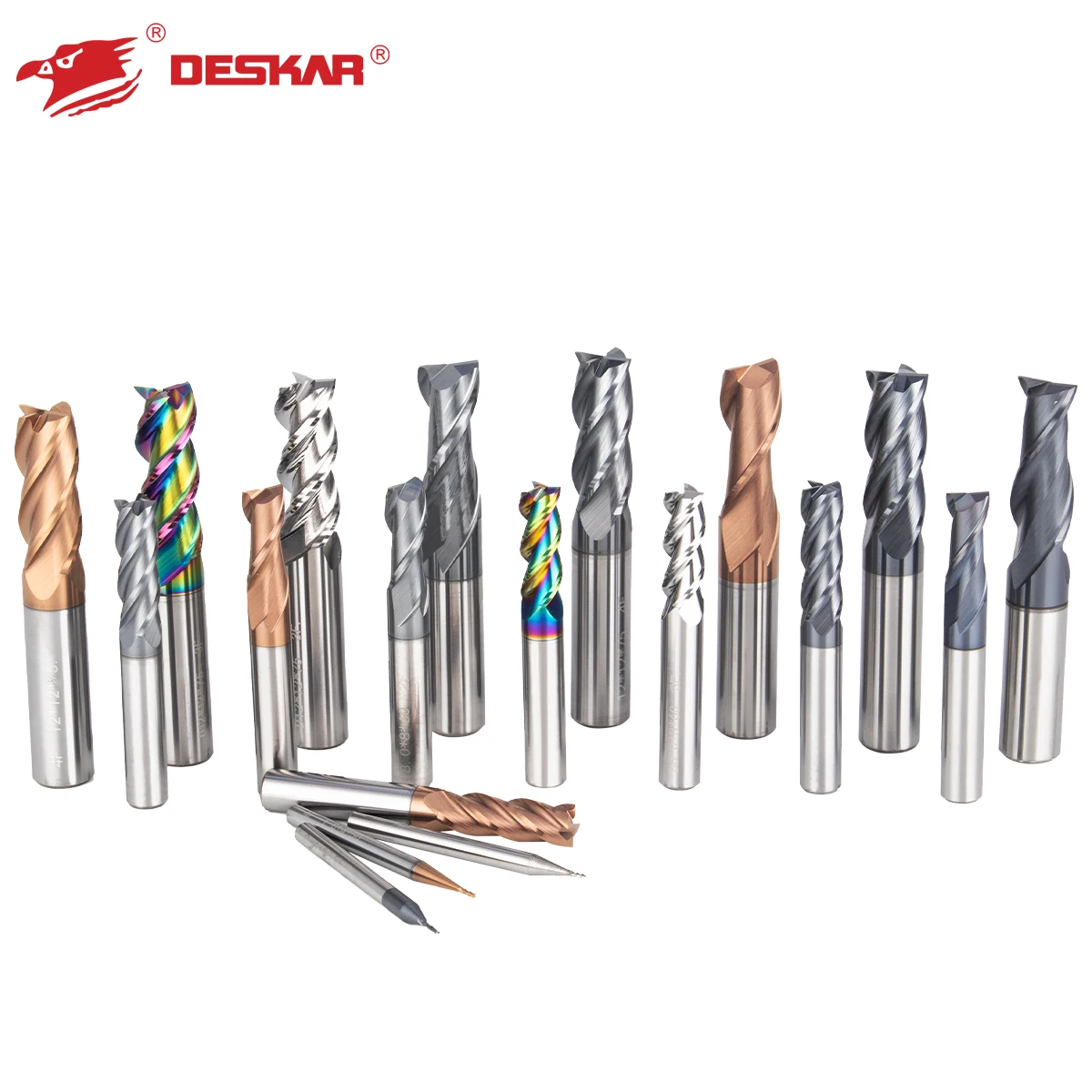
Material: High-speed steel (HSS), carbide, or cobalt are common materials. Carbide tools tend to offer higher hardness and wear resistance, making them suitable for demanding applications.
Coating: Tools with PVD or CVD coatings can significantly enhance tool life by reducing friction and heat buildup during machining. These coatings also improve the surface finish of the machined parts.
Flute Count: The number of flutes affects the chip removal capability. Generally, two-flute end mills are preferred for faster material removal, while four-flute end mills provide a finer finish but may require slower feed rates.
Diameter and Length: The diameter should match the size of the workpiece and the type of machining operation. The length of the tool must also be considered to ensure it can reach the desired depth without compromising stability.
Shank Size: Ensure compatibility with your machine’s collet or holder. The shank must fit snugly to prevent vibrations, which can lead to poor performance and reduced tool life.
Understanding these specifications allows buyers to make informed decisions about which flat end mill will best suit their machining needs.
Before purchasing flat end mills, buyers should consider several practical aspects:
Application Requirements: Clearly define the material type, thickness, and desired finish. These factors will influence the choice of tool specifications.
Quantity and MOQ: Determine the required quantity for your projects. Manufacturers like LIFENG PRECISION TOOLS often have minimum order quantities (MOQ) that can affect pricing and availability.
Customization: If standard tools do not meet your needs, inquire about customization options. LIFENG offers custom solutions tailored to specific applications, which can be crucial for specialized projects.
Lead Times: Understand the expected lead times for production and delivery. This is especially important for urgent projects where time is critical.
Quality Assurance: Ensure that the manufacturer has robust quality control processes in place. This may include inspections during production, testing for durability, and adherence to industry standards.
By addressing these considerations, buyers can streamline their procurement process and ensure they receive the right tools for their needs.
To maximize the performance and lifespan of flat end mills, consider the following best practices:
Proper Tool Setup: Ensure that the end mill is correctly installed in the spindle and that the machine is calibrated for the specific milling operation.
Coolant Usage: Utilizing a suitable coolant can help manage heat during machining, prolonging tool life and improving surface finish.
Regular Maintenance: Regularly inspect and sharpen tools to maintain cutting efficiency. Dull tools can lead to increased friction, heat, and potential tool failure.
Sample Testing: Before mass production, conduct sample tests to evaluate the tool’s performance with your specific materials and machining conditions. This step helps in identifying any necessary adjustments to feed rates or spindle speeds.
Documentation: Keep detailed records of tool performance, including life cycles, types of materials machined, and any issues encountered. This information can inform future purchasing decisions.
These practices not only enhance tool performance but also contribute to overall operational efficiency.
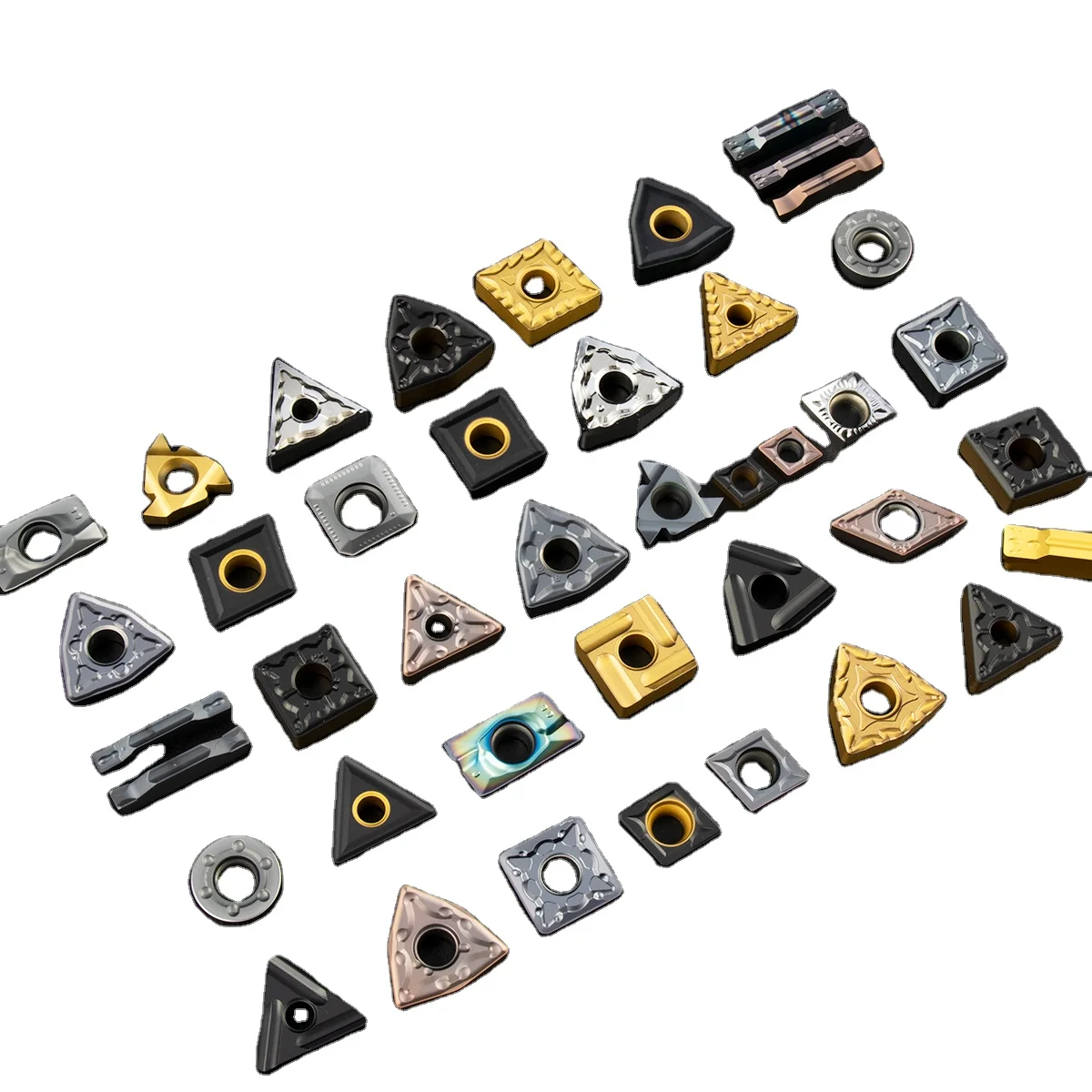
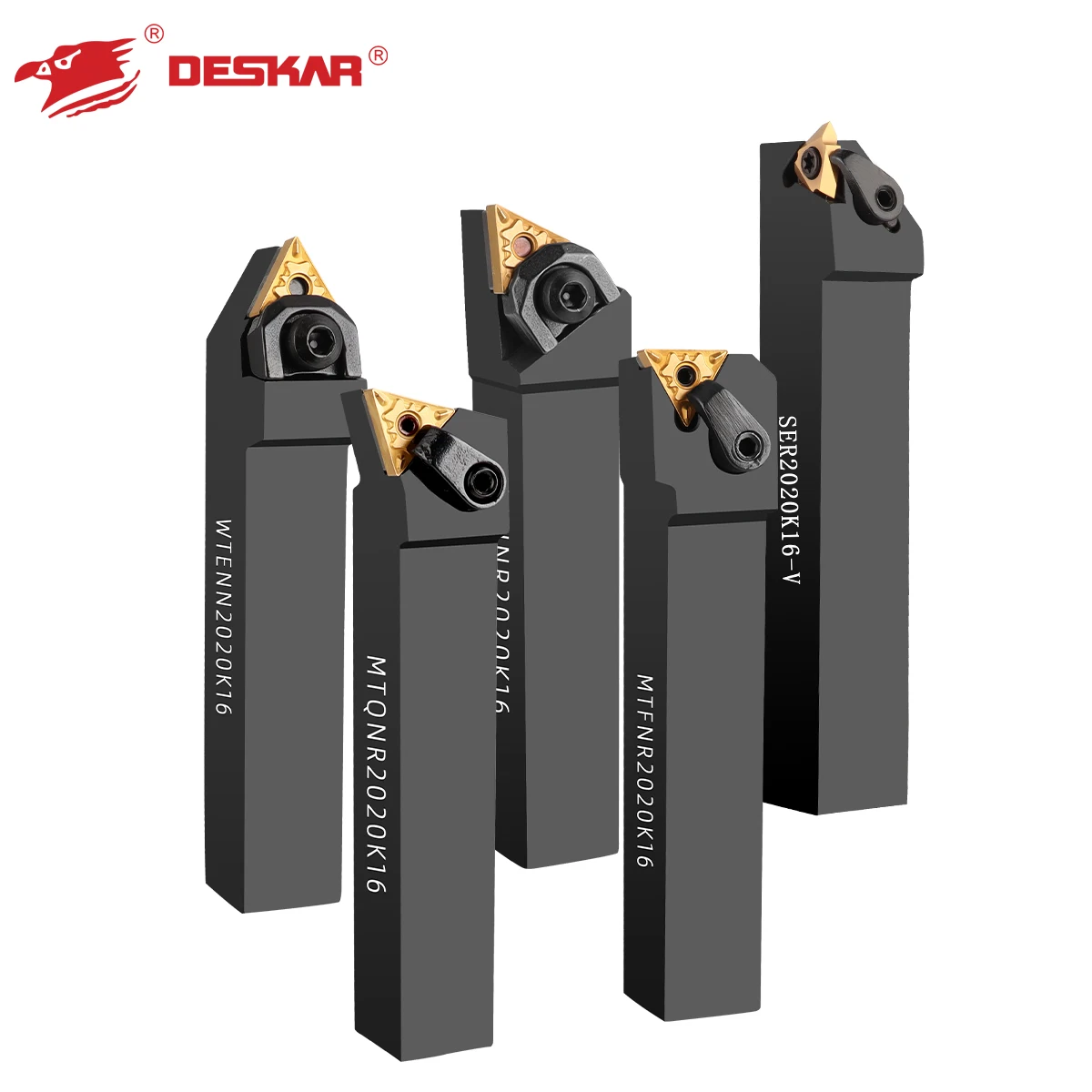
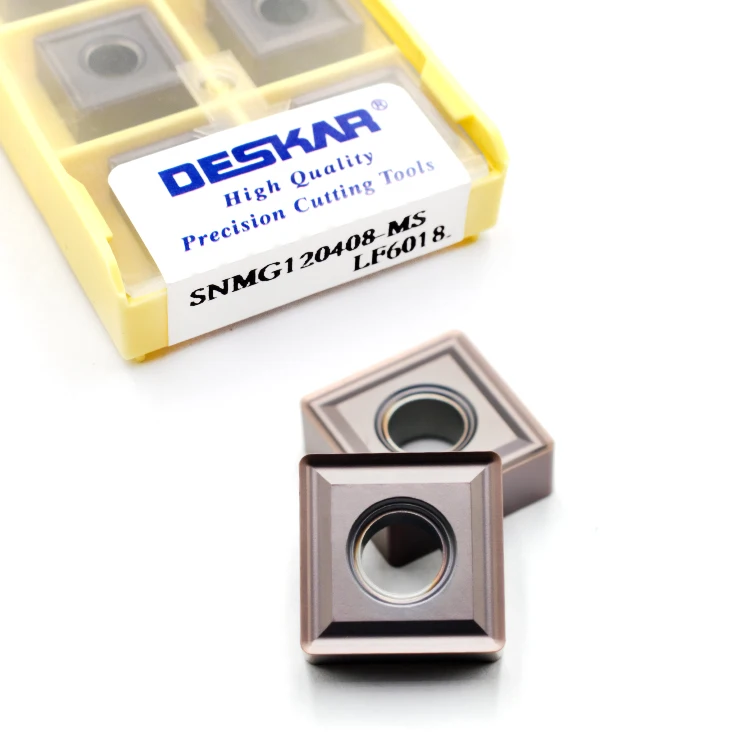
Flat end mills play a crucial role in both the aerospace and automotive sectors. In aerospace, they are often used for machining lightweight and durable materials like aluminum alloys and titanium. Precision is paramount in this industry, as parts must meet strict safety and performance standards. Flat end mills and Lathe blade with PVD coatings are particularly beneficial here, as they provide the necessary wear resistance and thermal stability for high-speed machining operations.
In the automotive industry, flat end mills are commonly employed for creating engine components, transmission housings, and other critical parts. The ability to achieve tight tolerances and smooth finishes is essential for the performance and reliability of automotive components. The selection of appropriate tooling is vital, as it can affect the overall efficiency of the manufacturing process and the quality of the final product.
In both industries, the capability to offer custom tooling solutions, as provided by manufacturers like LIFENG, can be a significant advantage. Custom flat end mills tailored for specific applications can lead to improved machining efficiency and reduced production costs.
By understanding the applications and specifications of flat end mills, buyers can make informed decisions that enhance their manufacturing processes, ultimately leading to better business outcomes.