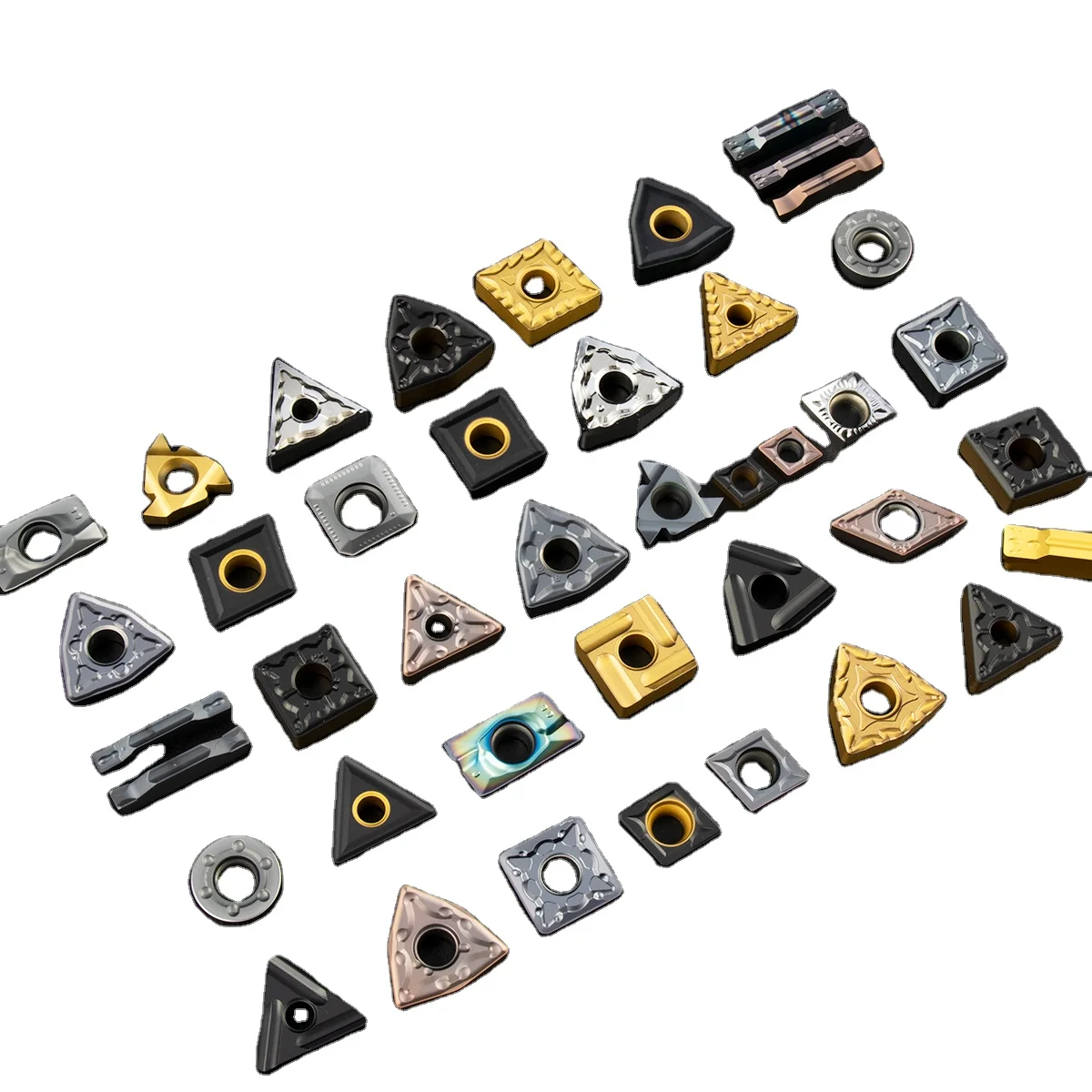
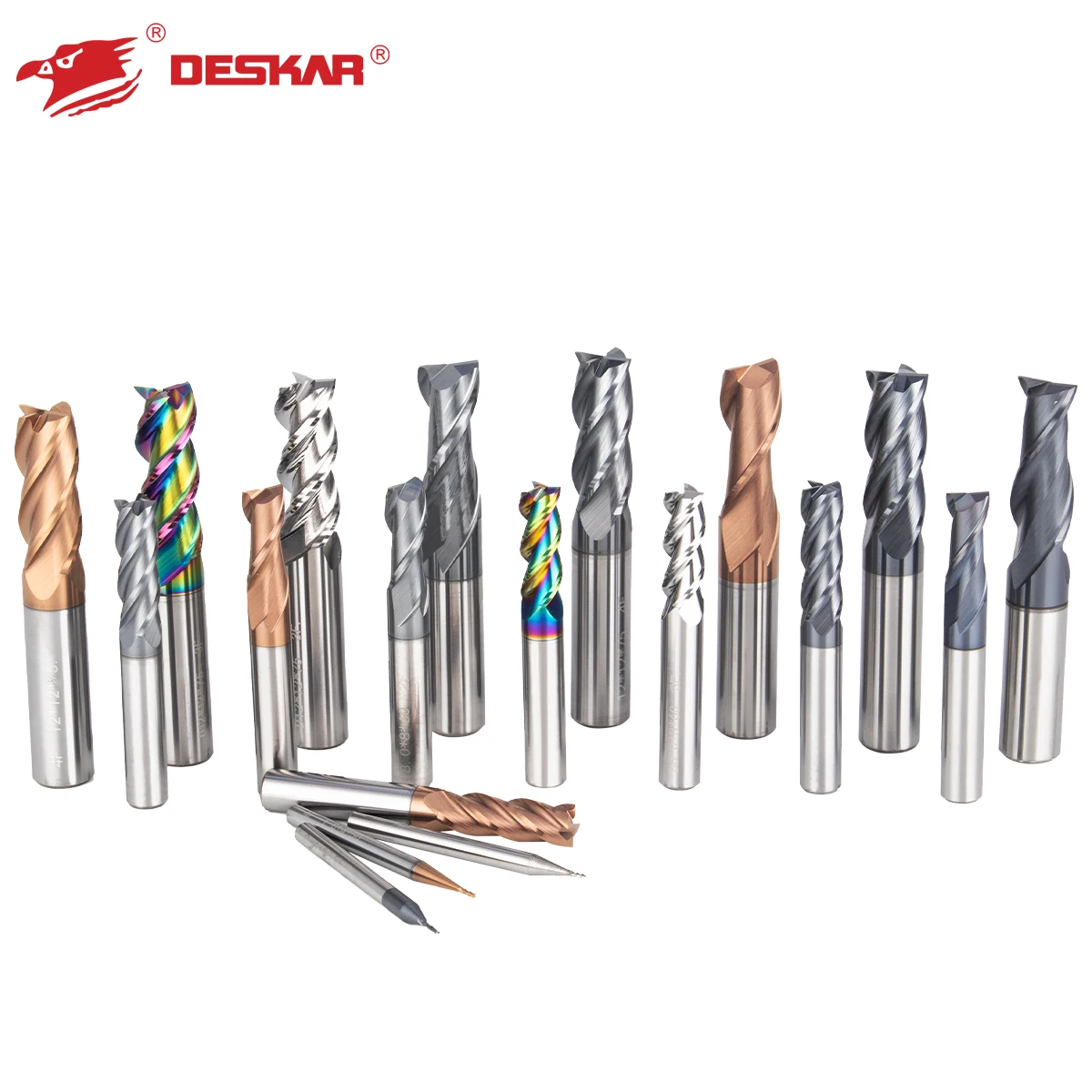
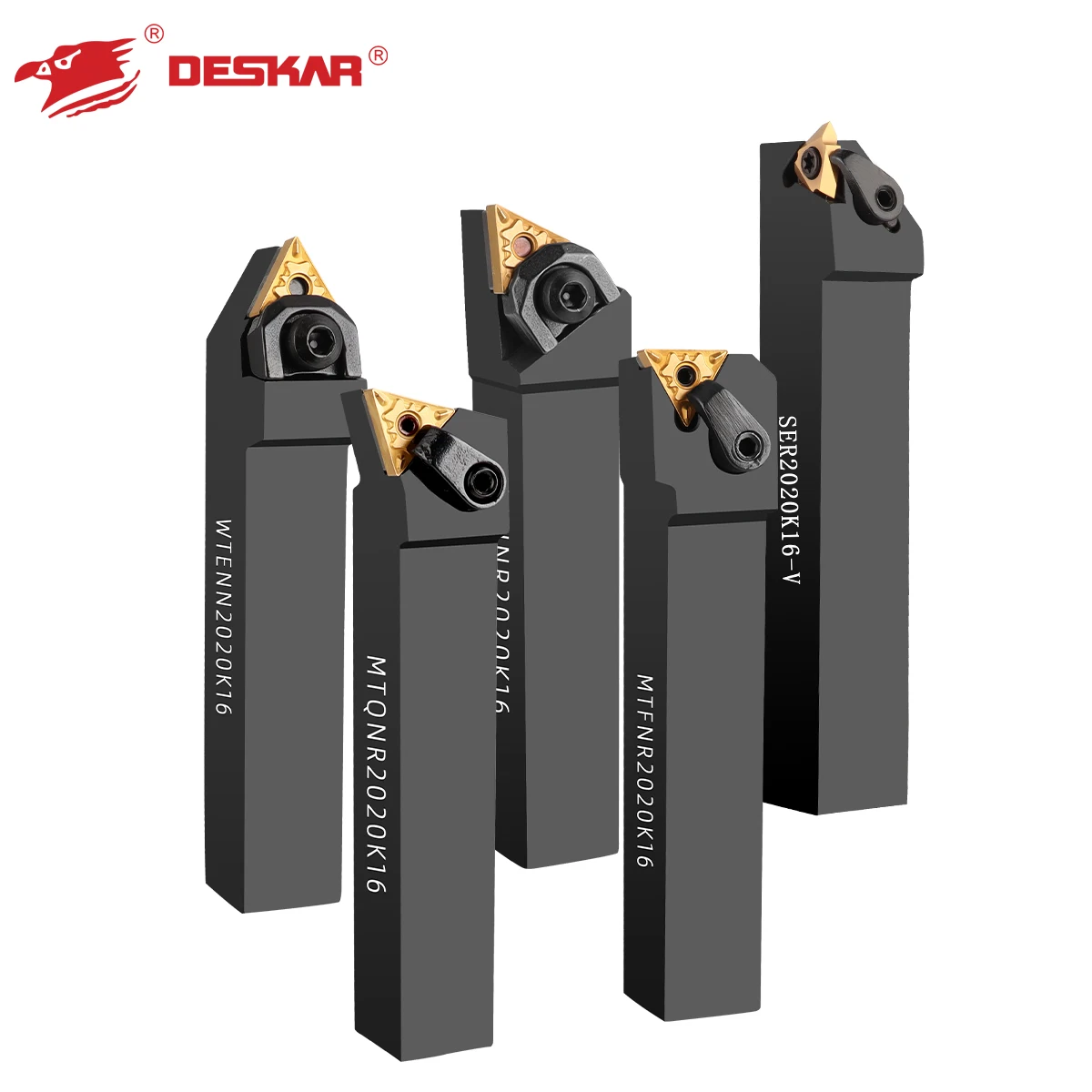
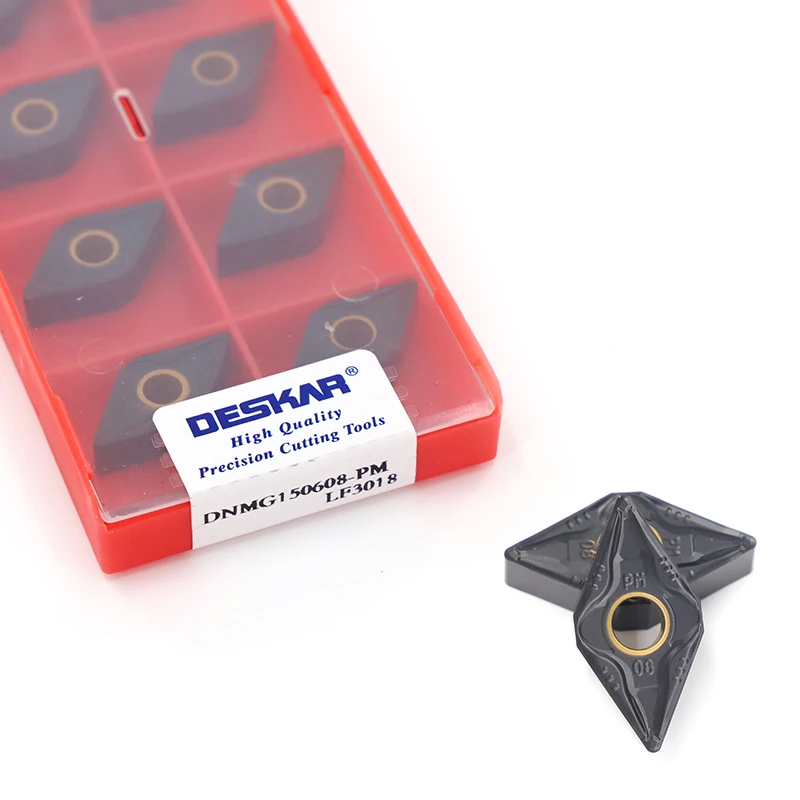
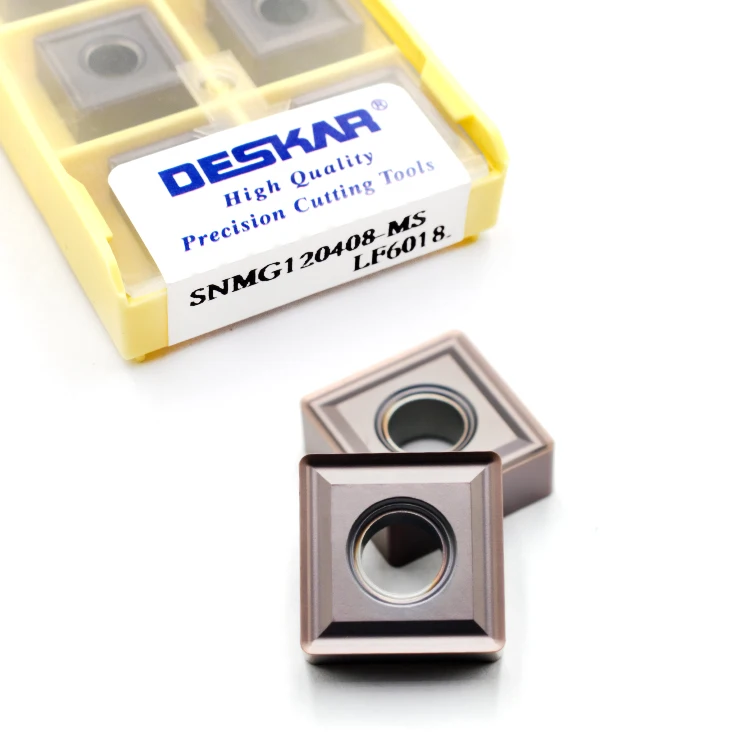
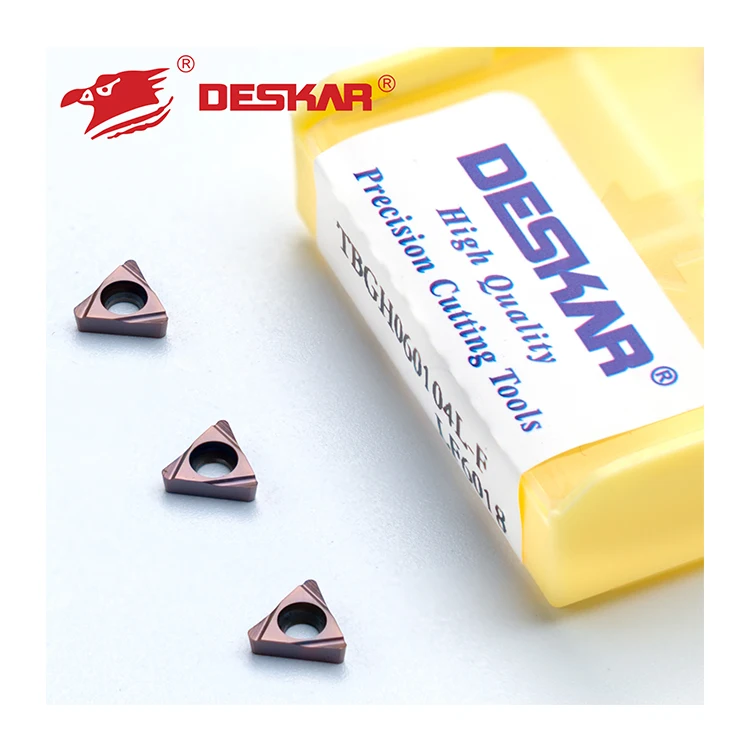
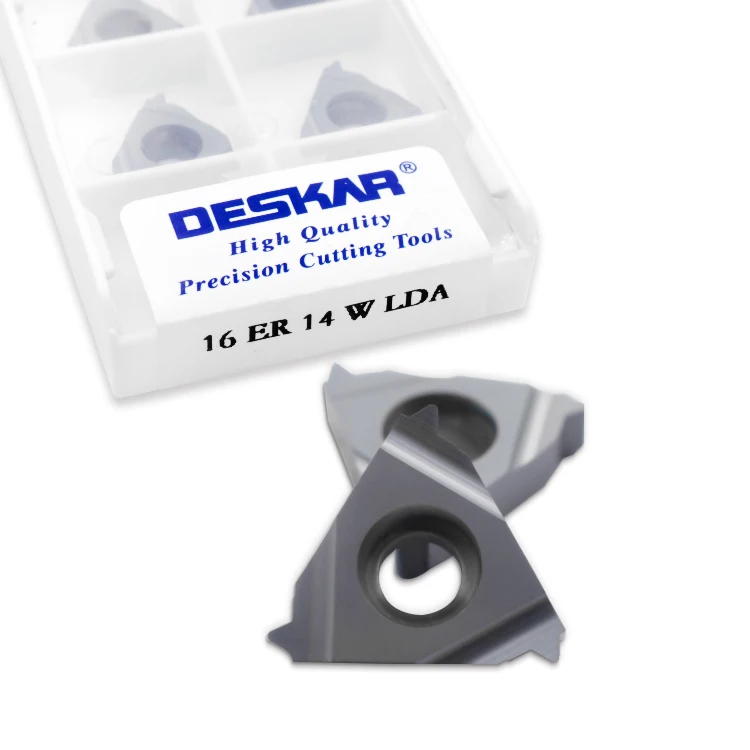
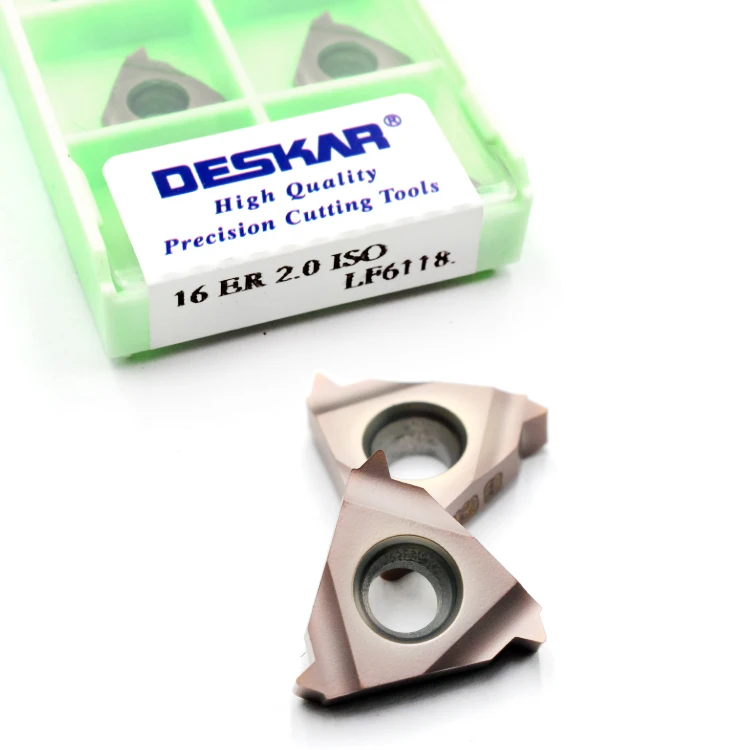
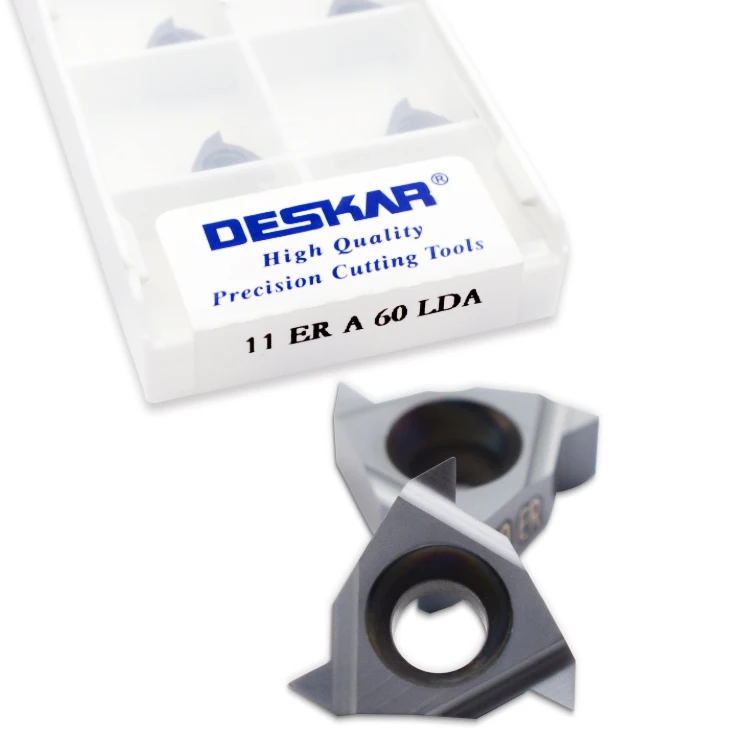
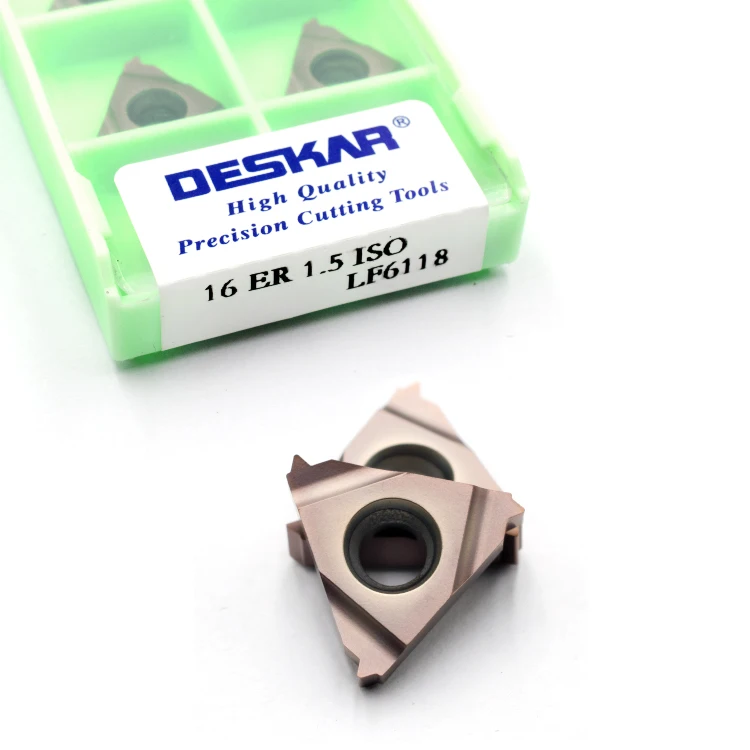
DESKAR Cobalt end mills Products are essential cutting tools in various industries, known for their durability and precision in machining operations. When selecting cobalt end mills, B2B buyers often focus on performance, material compatibility, and cost-effectiveness. This article aims to provide an in-depth understanding of cobalt end mills, covering essential factors buyers should consider, practical purchasing advice, and tips for maximizing tool performance
When purchasing cobalt end mill bits, several key specifications should be evaluated to ensure optimal performance
Material Composition: Cobalt end mills are made from high-speed steel (HSS) with cobalt added to enhance hardness and heat resistance. The cobalt content typically ranges from 5% to 8%, which significantly improves the tool’s strength and durability during high-temperature machining processes
Geometry: The geometry of the end mill, including flute shape, number of flutes, and helix angle, impacts cutting efficiency and surface finish. A higher number of flutes can increase chip removal rates but may decrease the space for chip clearance, affecting performance in certain materials
Coatings: Many cobalt end mills come with coatings like TiN (Titanium Nitride) or TiAlN (Titanium Aluminum Nitride), which reduce friction, increase wear resistance, and can extend tool life. Buyers should consider their specific application needs when selecting coatings
Dimensions: The diameter and length of the end mill are critical for compatibility with the machining setup. Ensure that the selected dimensions match the specifications of the CNC machine and the components being machined
Application Suitability: Different cobalt end mills are designed for specific applications, such as roughing or finishing. Understanding the intended use will help in selecting the right tool
Navigating the purchasing process for DESKAR cobalt ball end mill can be complex. Here’s a concise guide to help buyers make informed decisions:
Define Your Needs: Understand the specific materials you will be machining, the required tolerances, and the desired surface finish. Different materials, such as aluminum, steel, or titanium, may necessitate different end mill characteristics
Request Specifications: When reaching out to suppliers, provide detailed specifications including diameter, flute length, number of flutes, and any required coatings. This information will enable suppliers to provide accurate quotes and recommendations
Sample Approval: Before committing to a larger order, request samples to evaluate the performance in your specific applications. This step helps identify any potential issues in machining or tool wear
Supplier Evaluation: Consider the supplier’s manufacturing capabilities, quality control processes, and customer support. A reputable supplier, like LIFENG PRECISION TOOLS, can provide insights on tool performance and customization options
Lead Time and MOQ: Be mindful of Minimum Order Quantities (MOQ) and lead times, especially if custom solutions are required. Planning can help avoid production delays
Understanding the cost structure of cobalt end mills can help buyers make budget-conscious decisions:
Material Costs: The price of cobalt and high-speed steel can fluctuate, which may affect the overall cost of the end mills. Request quotes from multiple suppliers to ensure competitive pricing
Tool Complexity: More complex geometries and specialized coatings typically increase manufacturing costs. Buyers should weigh the benefits of enhanced performance against the additional expense
Volume Discounts: Purchasing in bulk can lead to significant savings. Discuss potential discounts with suppliers for larger orders, especially if consistent tool usage is expected
Total Cost of Ownership: Consider the total cost, which includes initial purchase price, expected tool life, and potential downtime due to tool failure. Investing in higher-quality tools may reduce long-term costs through less frequent replacements
Distributors play a crucial role in supplying cobalt end mills to manufacturers and machine shops. Here are some advantages they can leverage:
Diverse Product Range: Offering a wide selection of cobalt end mills allows distributors to cater to various industries, from aerospace to automotive, meeting diverse customer needs
Customization Options: By partnering with manufacturers like LIFENG PRECISION TOOLS, distributors can provide custom solutions tailored to specific machining requirements, enhancing their value proposition
Technical Support: Distributors who can offer technical expertise and support help customers select the right tools for their applications, fostering long-term relationships and repeat business
Quality Assurance: By sourcing from reputable manufacturers, distributors can assure customers of high-quality products, reducing returns and increasing customer satisfaction
Proper installation and usage of cobalt end mills are vital for maximizing performance and longevity:
Setup Alignment: Ensure that the end mill is correctly aligned in the spindle to prevent wobbling, which can lead to uneven wear and reduced tool life. Use precision measuring tools to verify alignment
Cutting Parameters: Adjust feed rates and spindle speeds according to the material being machined and the specific end mill characteristics. Incorrect settings can lead to overheating and premature tool wear
Coolant Usage: Utilizing the right coolant can significantly improve tool performance by reducing heat and prolonging tool life. Ensure the coolant is compatible with both the material and the end mill
Regular Maintenance: Implement a routine inspection and maintenance schedule for your CNC machines to ensure optimal performance. Keeping machines clean and well-lubricated can also enhance the effectiveness of cobalt end mills
Monitoring Tool Wear: Regularly check the condition of the end mills during the machining process. Early detection of wear can prevent further complications and ensure consistent quality in production
By focusing on these factors, buyers can make informed decisions regarding cobalt end mills, ensuring they select the right tools for their specific manufacturing needs