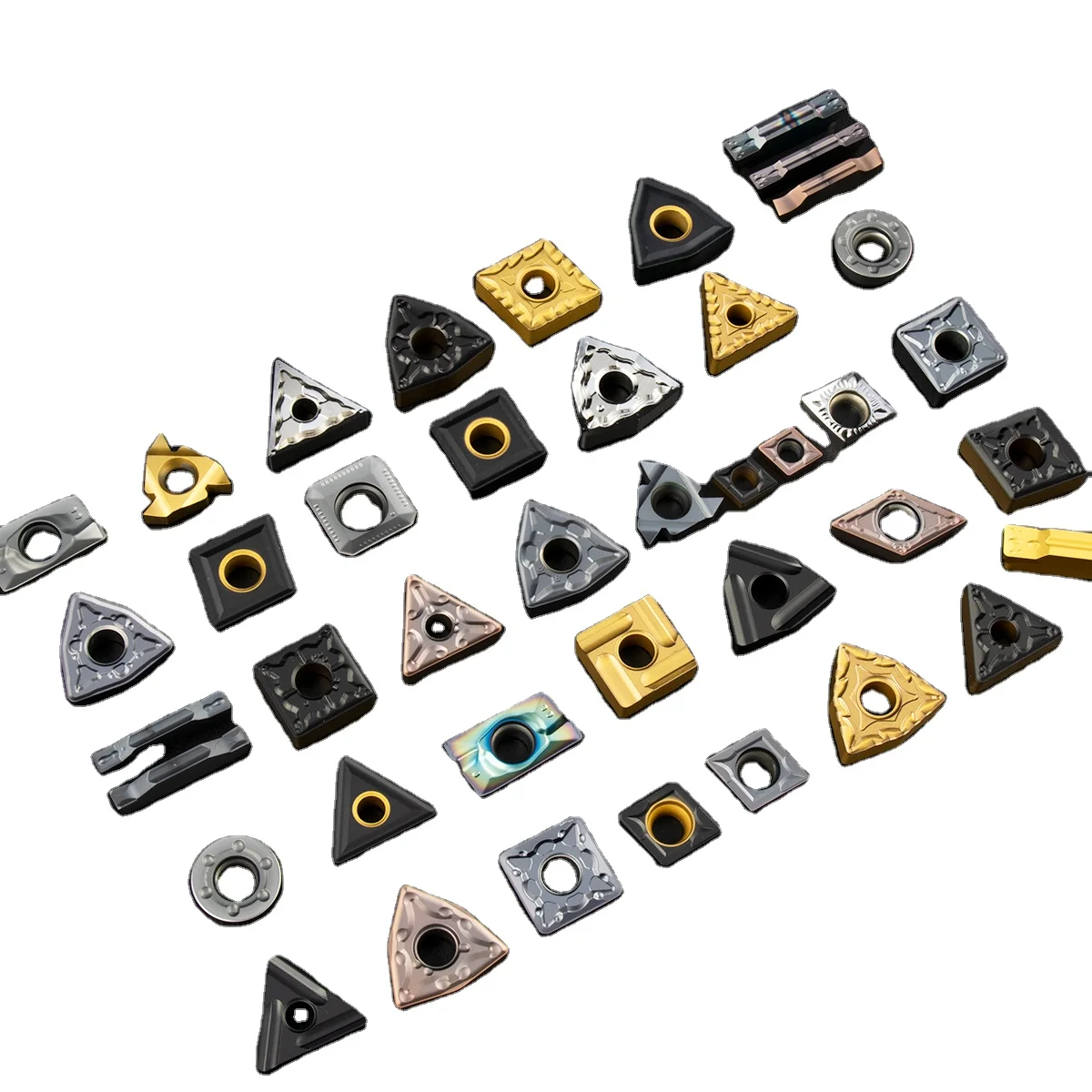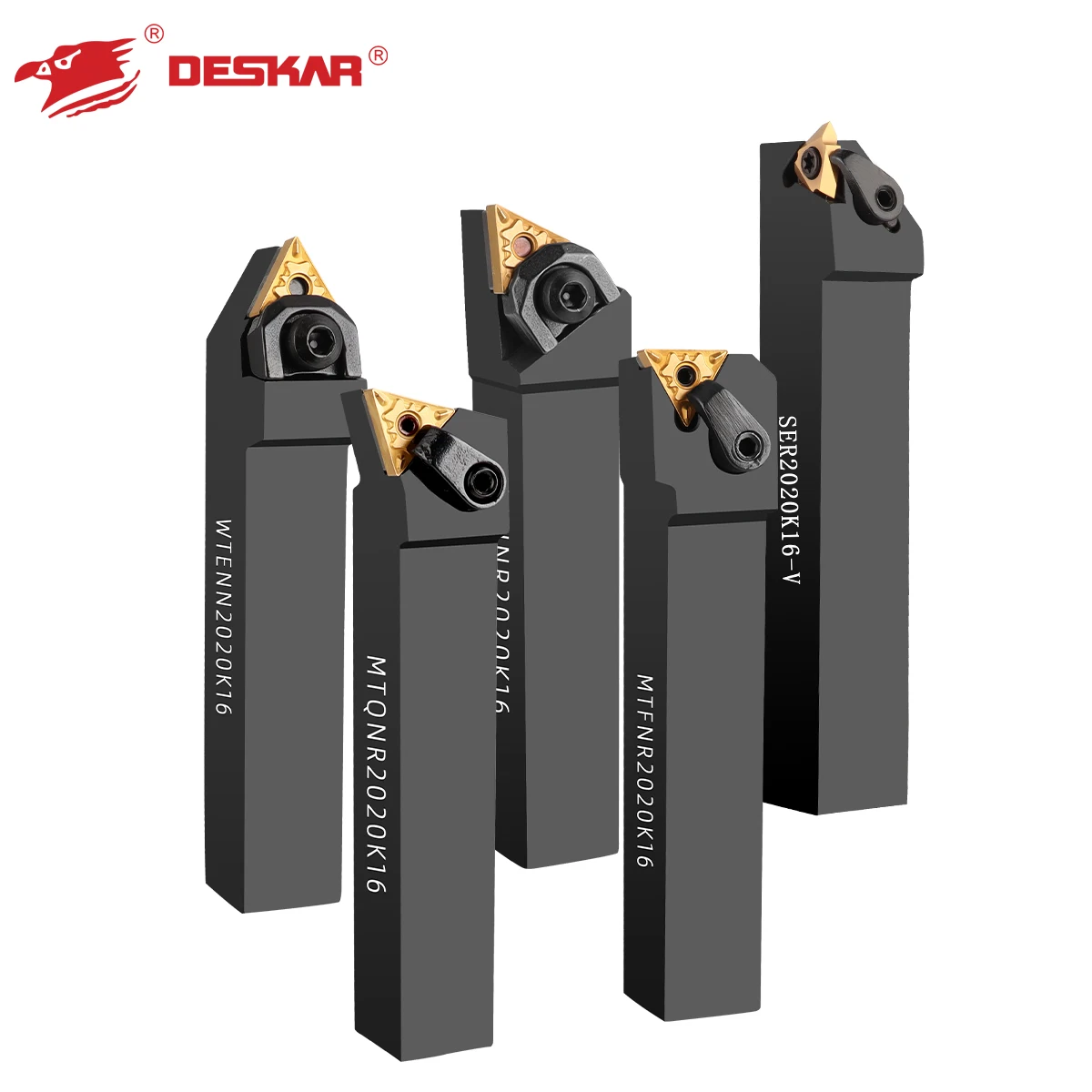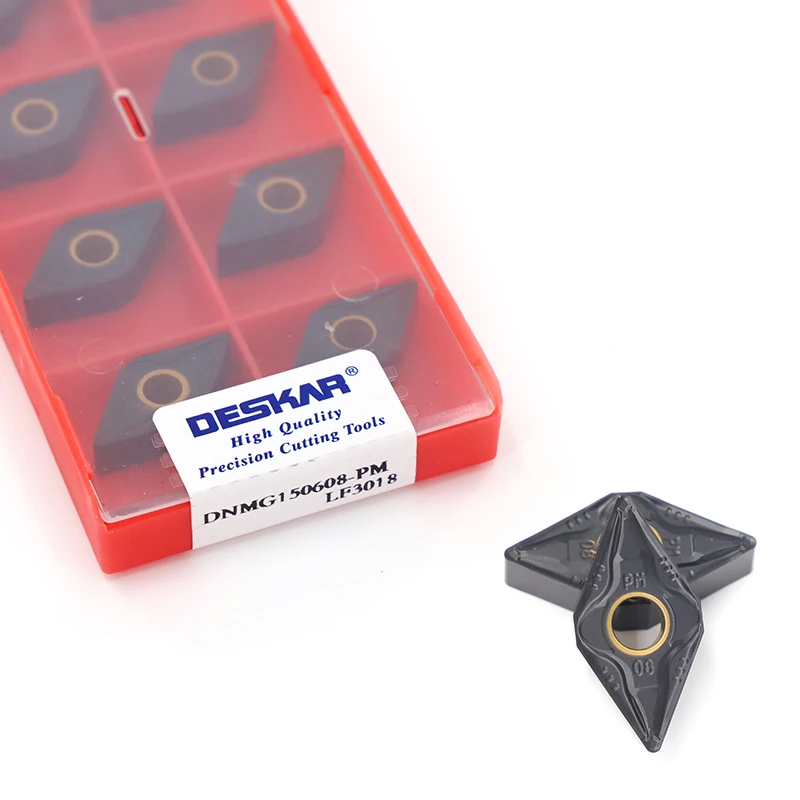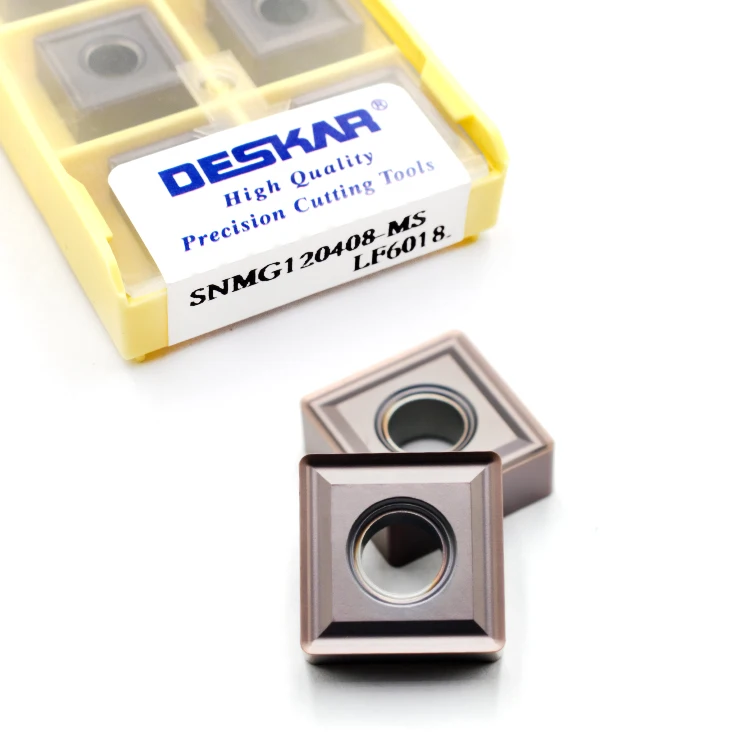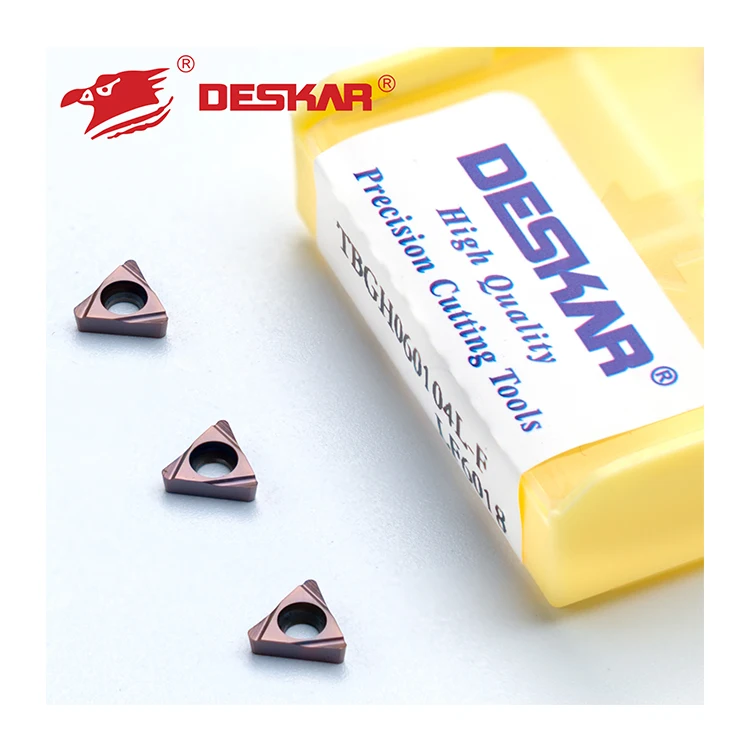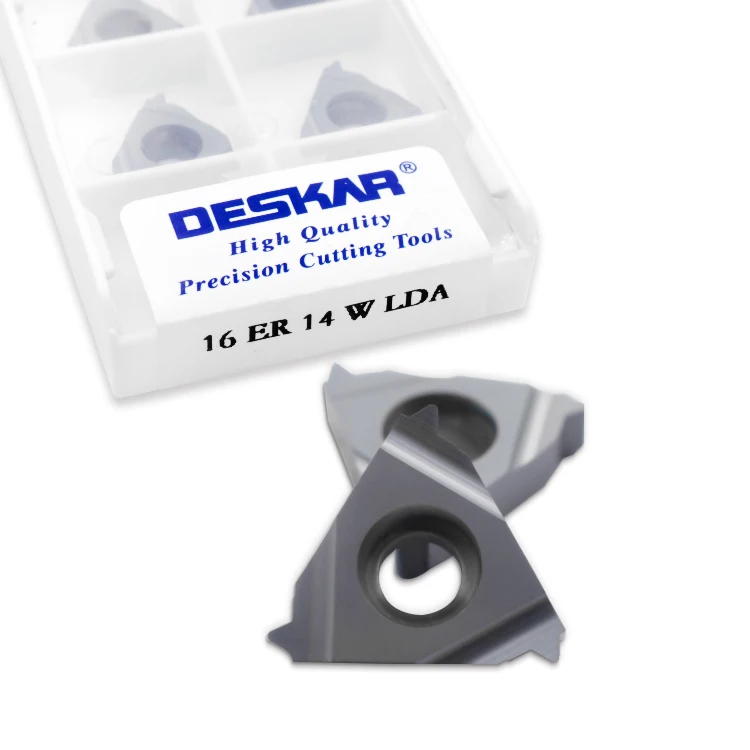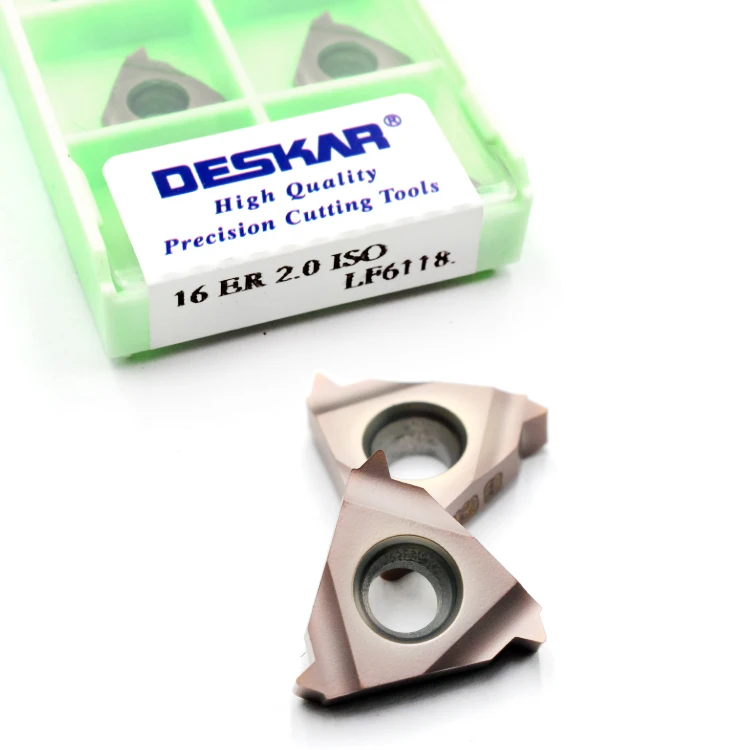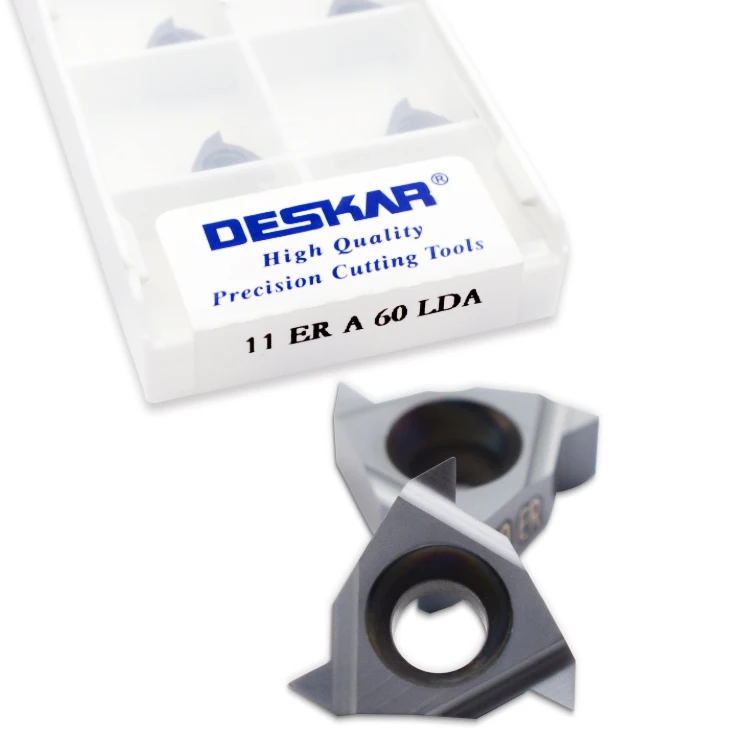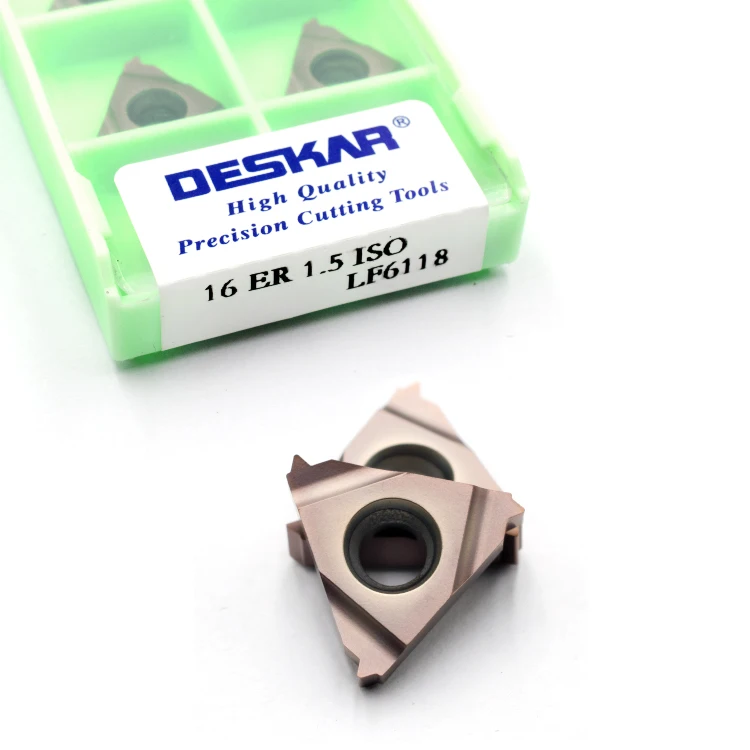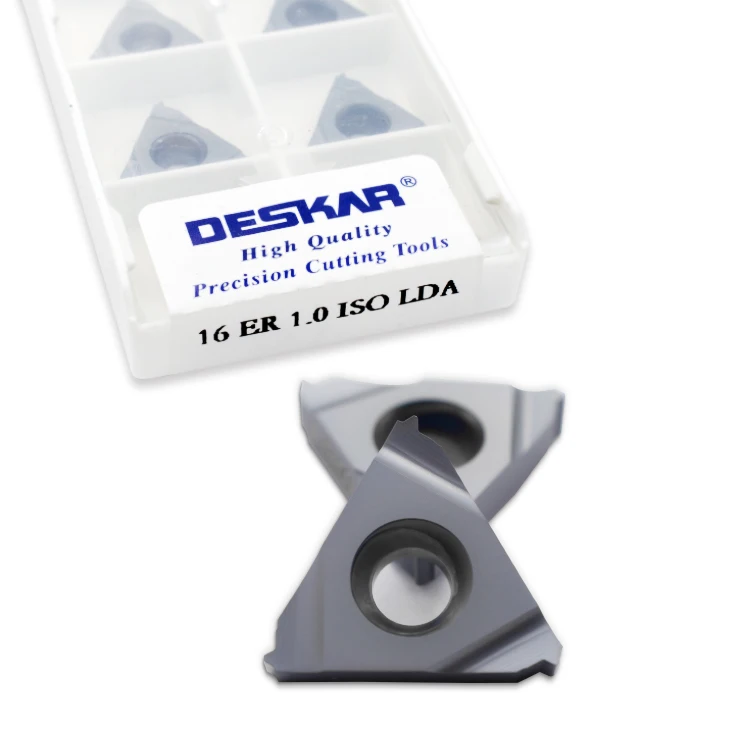
The CNMG insert is a critical component in precision cutting applications, particularly in manufacturing environments such as automotive and aerospace industries. As a B2B buyer, understanding the specifications, applications, and sourcing options for CNMG inserts is essential to ensure quality and efficiency in your machining processes. This article will address key factors to consider when selecting CNMG woodworking threaded inserts from DESKAR, including where to source them, material advantages, and best purchasing practices.
Finding reliable suppliers for CNMG inserts requires thorough research and evaluation. Start by identifying manufacturers with a strong reputation in the precision tools industry, such as DESKAR. Look for suppliers that offer a range of products, including both standard and custom CNMG inserts, and ensure they have experience working with industries relevant to your needs.
Consider attending trade shows and industry events, as these venues often feature established manufacturers showcasing their latest products. Online platforms and industry directories can also be valuable resources for finding suppliers. When evaluating potential suppliers, investigate their production capabilities, quality control processes, and customer reviews. Request samples to assess their product quality and compatibility with your machinery before making bulk purchases.
When selecting CNMG inserts, several specifications are crucial to ensure optimal performance in your machining applications. Key specifications include:
Insert Size and Shape: CNMG inserts typically have a rhombic shape with specific dimensions that affect cutting performance. Confirm the insert size that fits your machine's tooling.
Chip breaker Design: Different chip breakers are designed for various materials and applications. Selecting the right chip breaker can enhance chip control and improve surface finish.
Coating: Coatings such as PVD (Physical Vapor Deposition) or CVD (Chemical Vapor Deposition) enhance wear resistance and heat tolerance. Choose a coating that matches the material being machined to improve tool life.
Material: CNMG inserts are often made from carbide or ceramic materials, each suitable for different cutting conditions. Evaluate the material based on the required hardness and toughness for your application.
Understanding these specifications will help you select the right CNMG woodworking screw inserts to meet your machining needs effectively.
CNMG inserts play a significant role in both the aerospace and automotive industries due to their versatility and precision. In the aerospace sector, these inserts are often used for machining complex components that require high accuracy and surface integrity. Applications include turbine housings, brackets, and structural components. The ability to withstand high temperatures and resist wear makes CNMG inserts ideal for aerospace materials, including titanium and high-strength alloys.
In the automotive industry, CNMG inserts are commonly used for turning operations on engine blocks, transmission housings, and other critical components. Their design allows for efficient chip removal and high feed rates, which are essential for mass production environments. Choosing the right threaded inserts for metal for these applications can significantly impact production efficiency and product quality.
The materials used in CNMG inserts significantly influence their performance and longevity in machining operations. Carbide inserts, for example, are favored for their hardness and wear resistance, making them suitable for high-speed machining applications. They provide excellent edge retention and can handle a wide range of materials, from steel to aluminum.
Ceramic inserts, on the other hand, offer superior heat resistance and are ideal for high-speed cutting of hard materials. They tend to be more brittle than carbide, so their application should be limited to specific conditions where their advantages can be fully realized.
Understanding the material properties of CNMG inserts will help buyers choose the most suitable option for their specific cutting requirements, ultimately enhancing operational efficiency and reducing costs.
When purchasing CNMG inserts, it's essential to follow best practices to ensure you receive the best products for your needs. Here are some key guidelines:
Define Your Requirements: Before reaching out to suppliers, clearly outline your specifications, including insert type, size, material, and coating preferences.
Request Samples: Always ask for samples to evaluate performance under your specific machining conditions. Testing samples will help identify any potential issues before placing a bulk order.
Verify Supplier Credentials: DESKAR ensure your supplier has certifications and quality control processes in place. This can include ISO certifications or other industry standards that guarantee the quality of their products.
Understand Lead Times: Inquire about lead times for both standard and custom inserts to avoid delays in your production schedule. Factors such as order size and production capacity can affect delivery times.
Consider Packaging and Shipping: Discuss packaging options with your supplier to ensure that the inserts are adequately protected during transportation. This can prevent damage and ensure you receive your order in optimal condition.
By adhering to these best practices, buyers can make informed decisions that lead to successful procurement of CNMG inserts for their industrial applications.