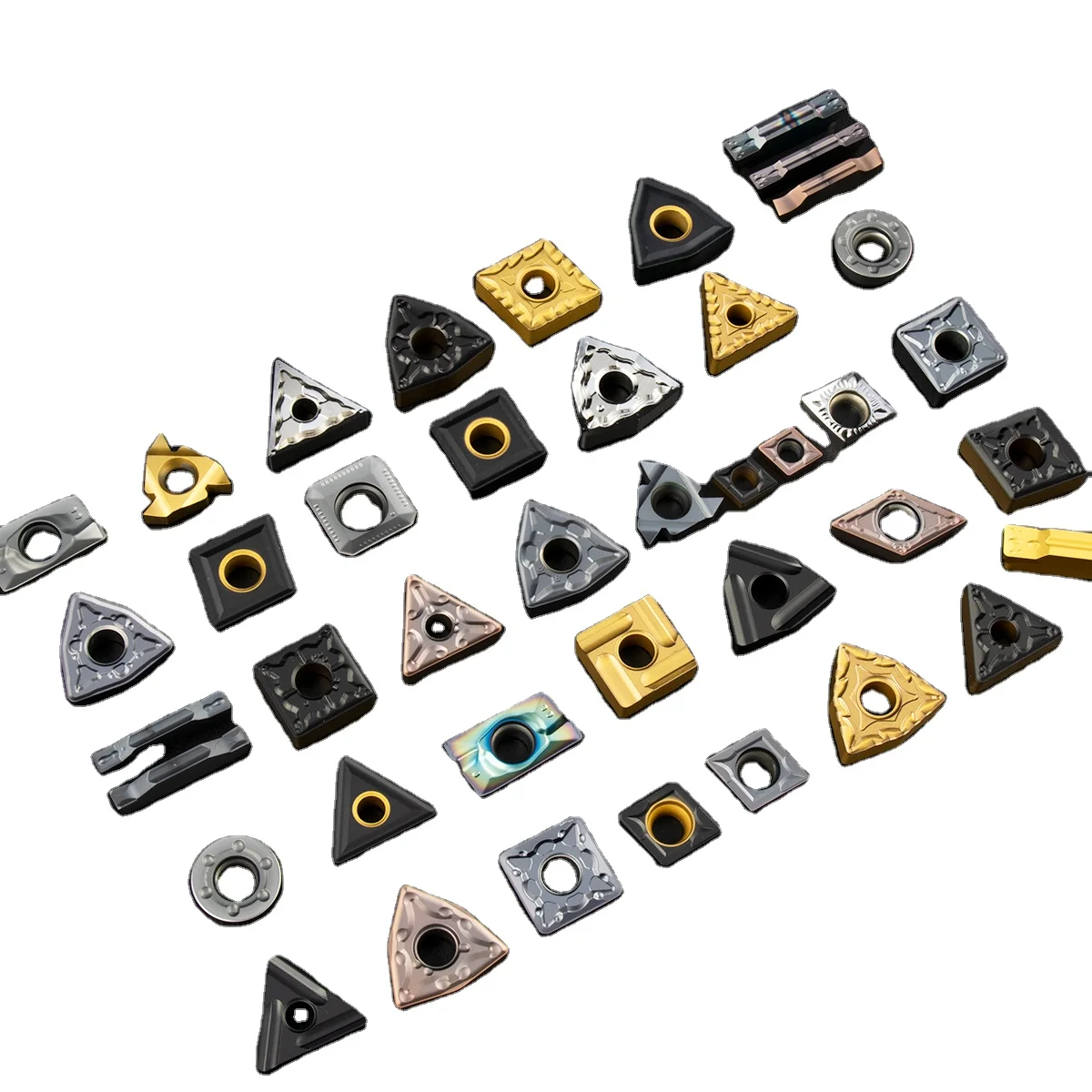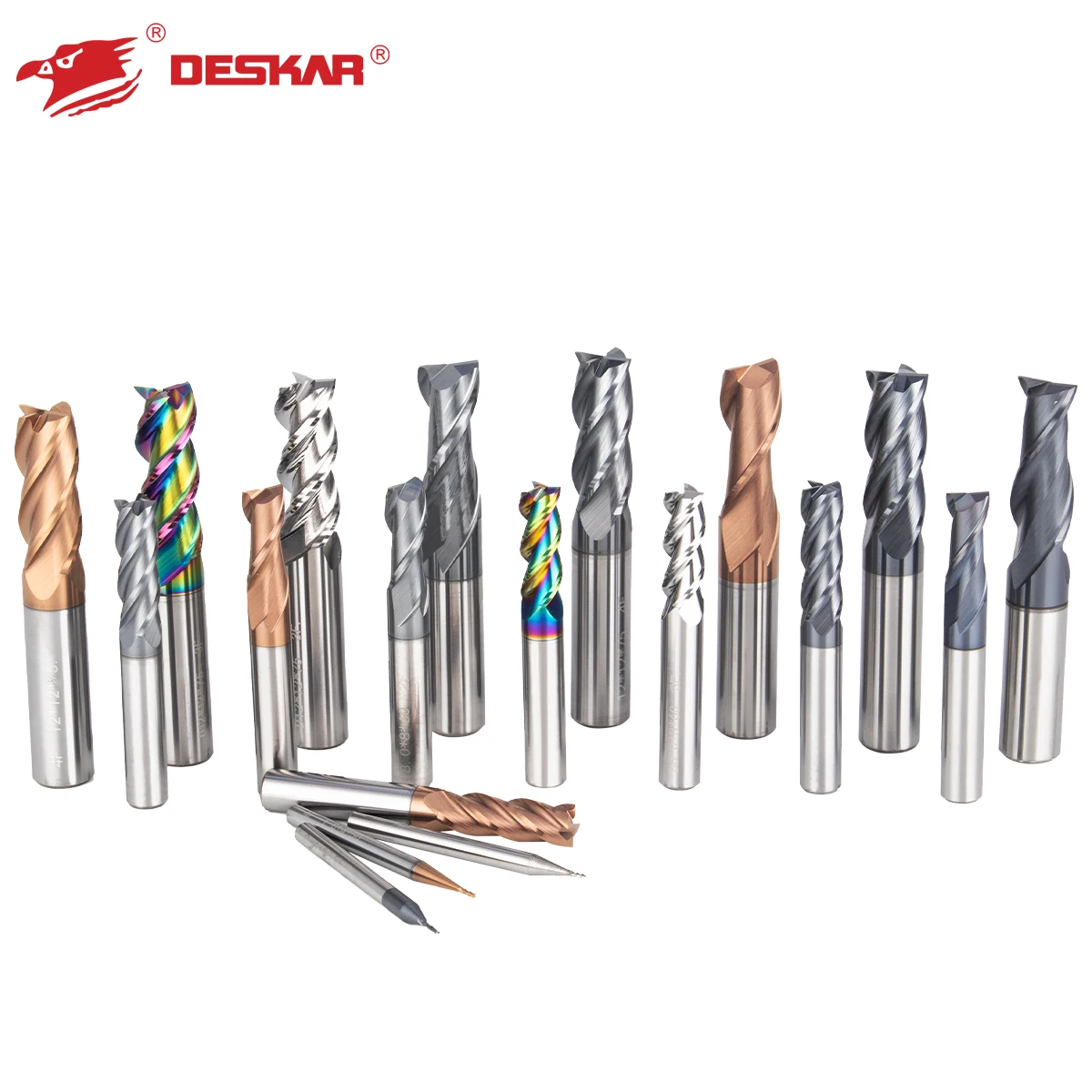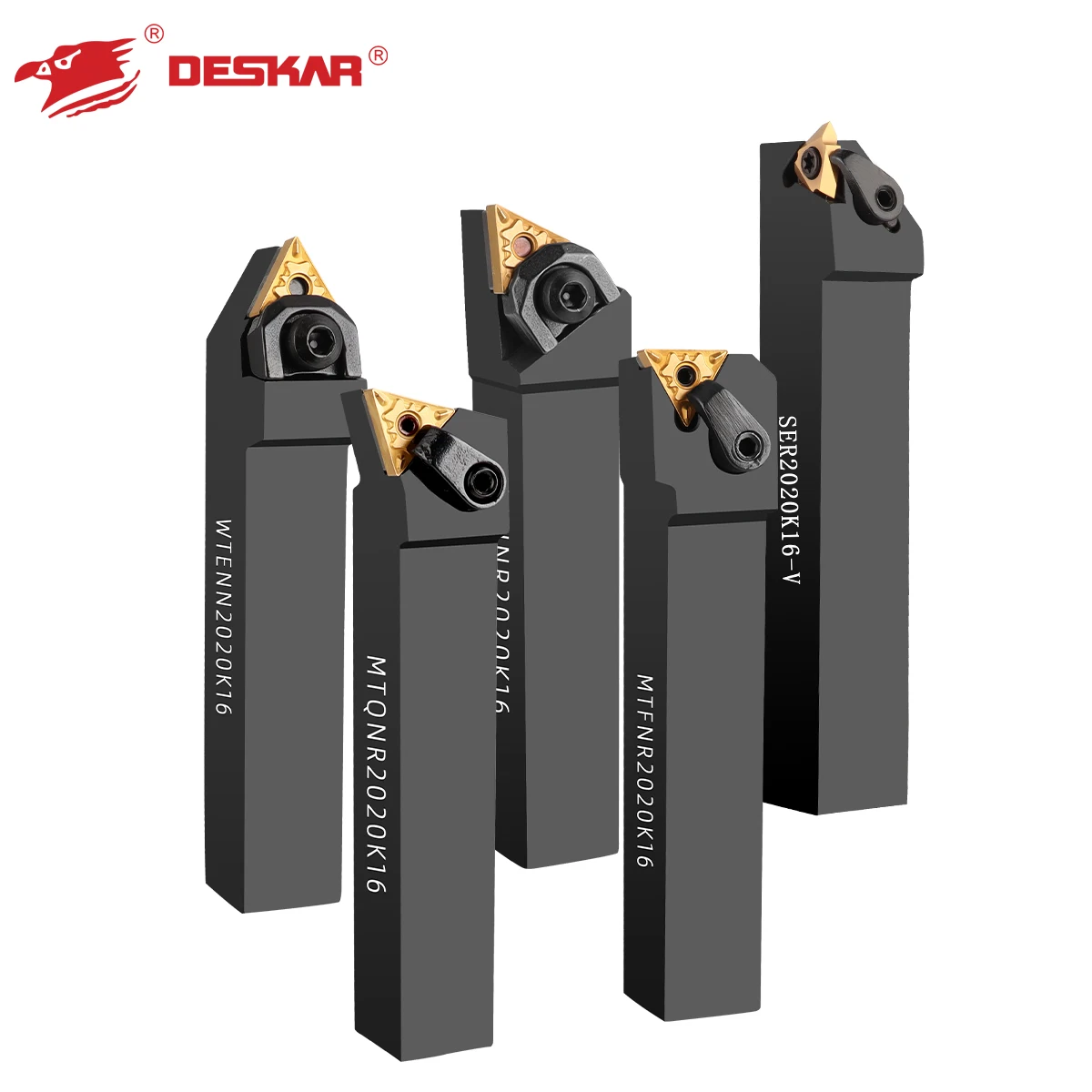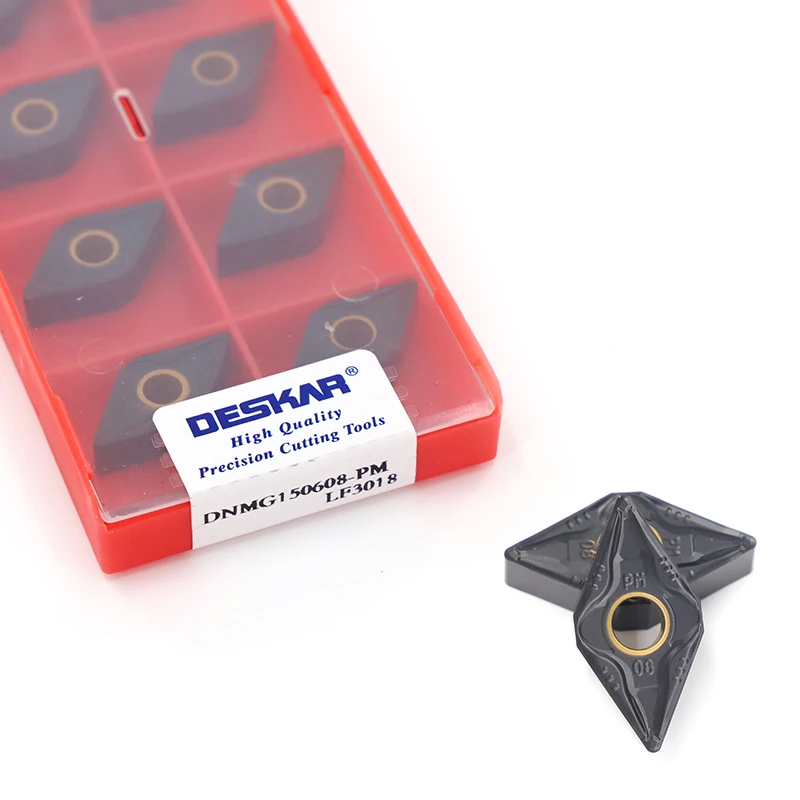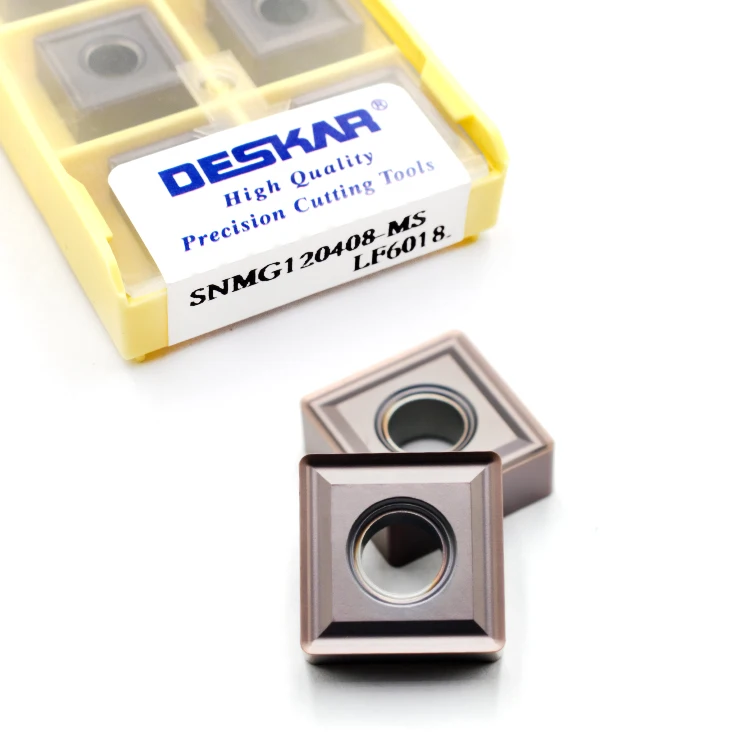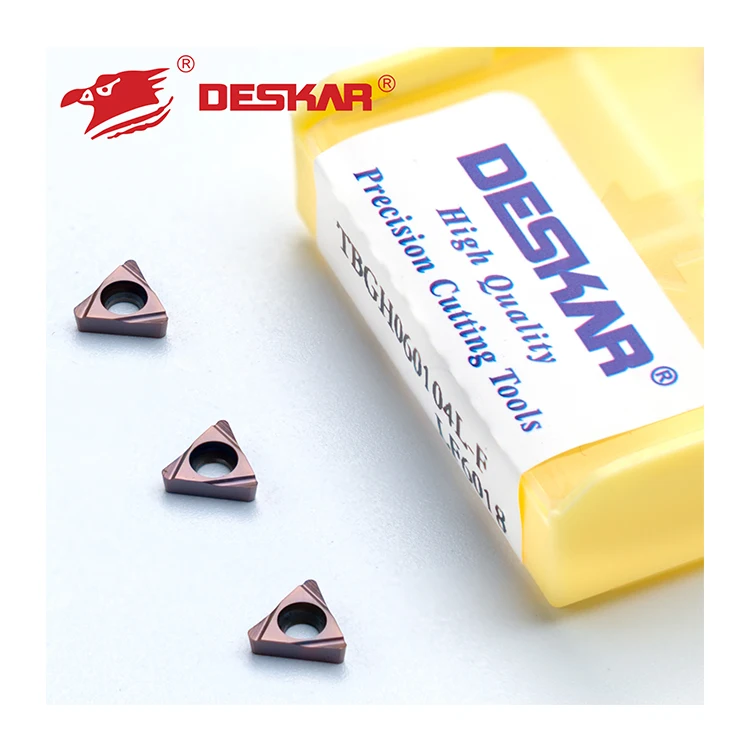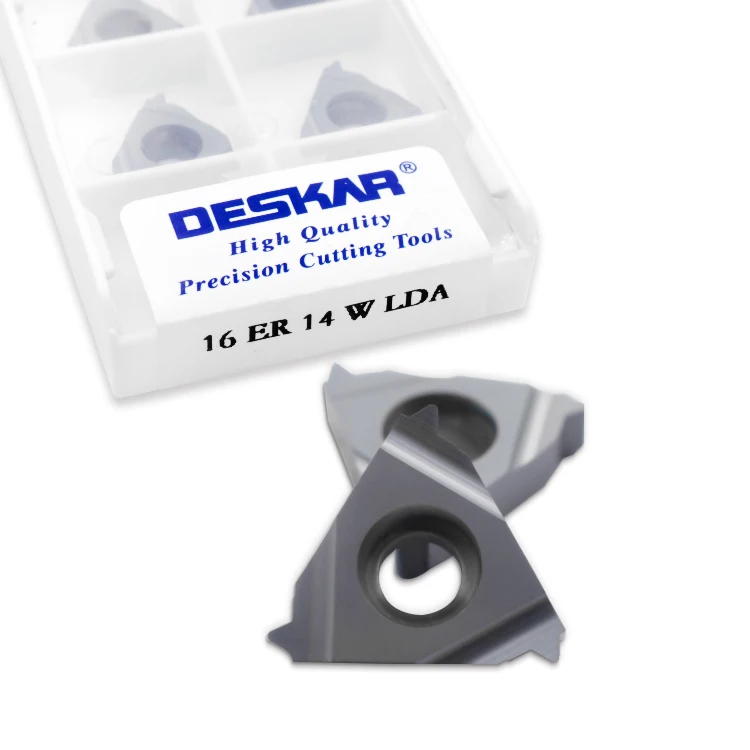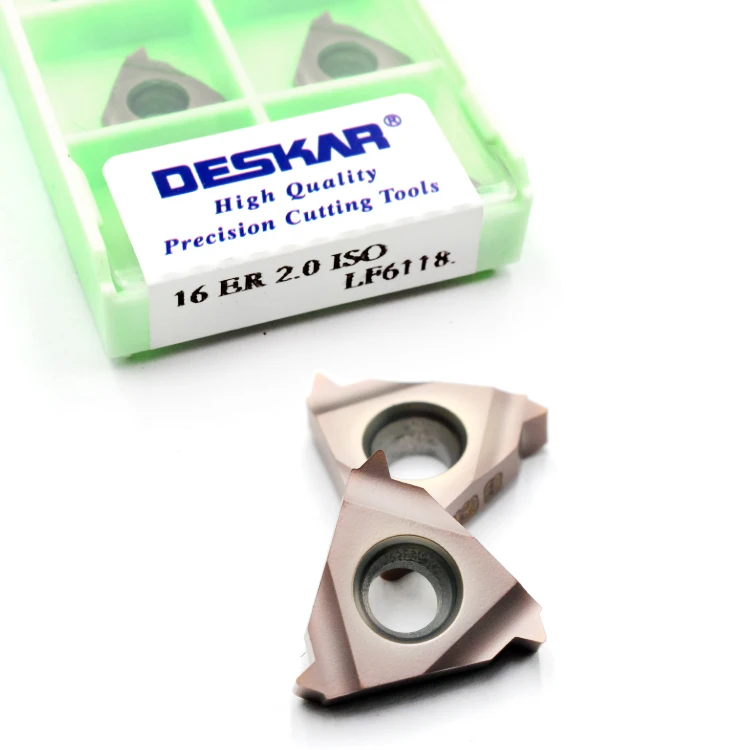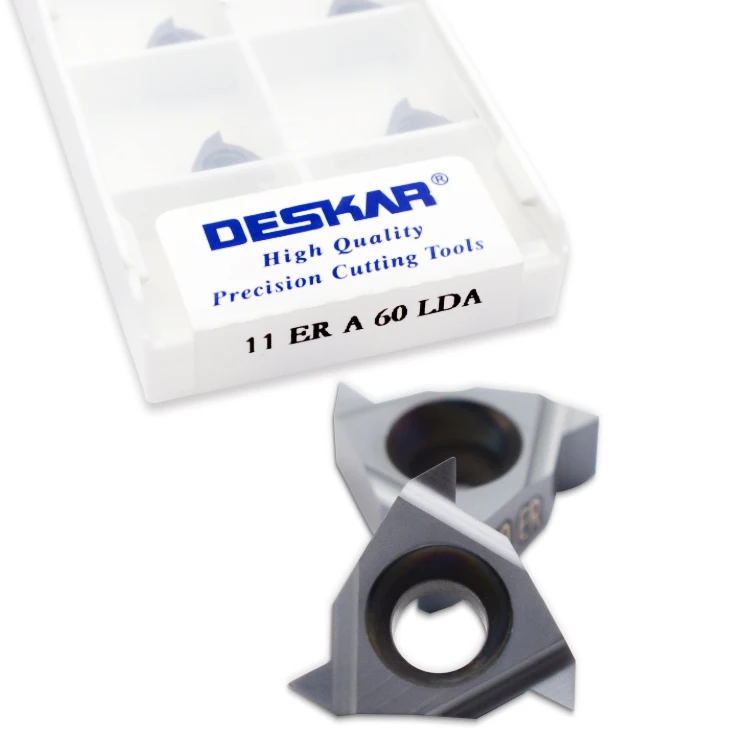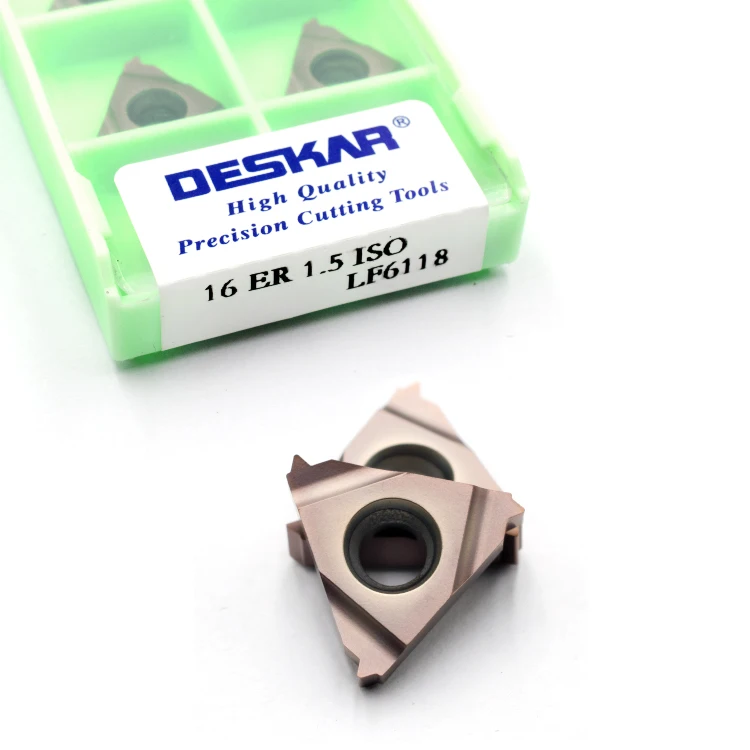
Boring bar lathes are specialized tools used for precision machining in various manufacturing sectors, particularly when it comes to internal diameters. These lathes are essential for achieving high accuracy in turning operations and are often used in the production of complex components for the mold, automotive, and aerospace industries. For B2B buyers, understanding the selection process, key specifications, and applications of boring bar lathes is crucial for making informed purchasing decisions. This article aims to provide insights into selecting the right boring Tungsten steel turning tool bar, essential specifications to consider, practical steps for procurement, and the diverse applications these machines serve.
Selecting the appropriate boring bar lathe involves understanding your specific manufacturing requirements. Factors such as the type of material being machined, the precision required, and the complexity of the components will influence your choice. For instance, if you are working with hard metals or require high tolerances, a lathe with robust construction and advanced features is essential.
Additionally, consider the size and type of the components you will be machining. Larger components may necessitate a lathe with longer bed lengths and higher torque capabilities. It's also important to assess the lathe's compatibility with your existing tooling and fixtures to ensure seamless integration into your production line.
Consulting with manufacturers like LIFENG PRECISION TOOLS can provide valuable insights into the specific features that would best meet your operational needs, ensuring you invest in a machine that enhances productivity and quality.
When evaluating boring bar lathes, several key specifications should be prioritized:
Spindle Speed: The maximum spindle speed determines how quickly the lathe can operate. Higher speeds are typically required for softer materials and finer finishes, while lower speeds may be necessary for harder materials.
Boring Bar Diameter: The diameter of the boring bar should match the internal diameter specifications of the components being machined. A larger diameter allows for more aggressive cutting but may limit access to smaller features.
Travel Length: This refers to the maximum distance the tool can move along the workpiece. Ensure that the travel length accommodates the dimensions of your typical workpieces.
Tooling Compatibility: The lathe should support a range of tooling options, including indexable inserts and custom tooling, for versatility in machining operations.
Cooling Systems: Adequate cooling is critical during machining to prevent tool wear and maintain precision. Evaluate whether the lathe has built-in cooling systems or if external cooling solutions will be necessary.
Understanding these specifications will help you choose a lathe that not only meets your current needs but is also adaptable for future projects.
To streamline the procurement process for a boring bar lathe, follow these essential steps:
Define Your Requirements: Clearly outline the specifications and capabilities required for your projects. Consider involving your engineering team to ensure all technical aspects are covered.
Research Manufacturers: Investigate manufacturers that offer boring bar lathes, paying attention to their experience in the industry, production capabilities, and customer reviews. LIFENG PRECISION TOOLS, for instance, specializes in high-precision cutting tools and can provide tailored solutions.
Request Quotes: Prepare a detailed request for quotation (RFQ) that includes all relevant specifications, quantities, and any customization needs. This will allow suppliers to provide accurate pricing and lead times.
Evaluate Samples: Before committing to a purchase, request samples or demonstrations to assess the lathe’s capabilities. This step is crucial in verifying that the machine meets your quality and performance expectations.
Confirm Warranty and Support: Ensure that the manufacturer offers a comprehensive warranty and technical support. This is vital for addressing any issues that may arise post-purchase.
By following these steps, you can make a well-informed decision and choose a boring bar lathe that enhances your manufacturing capabilities.
Boring bar lathes are versatile tools that find applications across several industries:
Automotive: In the automotive sector, boring bar lathes are used for machining engine blocks, cylinder heads, and other critical components that require precise internal diameters and finishes.
Aerospace: The aerospace industry demands high precision and reliability, making boring bar lathes essential for manufacturing parts like landing gear components, turbine housings, and other vital structures.
Mold Making: For mold makers, these lathes provide the accuracy required for creating complex geometries and high-quality surface finishes necessary for injection molds.
General Manufacturing: Many manufacturing setups utilize boring bar lathes for a range of components, from simple shafts to intricate fittings, showcasing their adaptability across different materials and designs.
Understanding the specific applications relevant to your industry can guide your selection process and ensure that the lathe you choose is well-suited to your production needs.
Finding a trustworthy supplier for boring lathe tools involves several considerations:
Industry Reputation: Look for manufacturers with a solid reputation in the industry. Research their history and customer feedback to gauge their reliability.
Certifications and Standards: Check if the supplier complies with relevant industry standards and holds certifications that demonstrate their commitment to quality and safety.
Customization Capabilities: If your projects require specialized features, ensure the supplier has the capability to provide customized solutions.
After-Sales Support: Reliable suppliers should offer comprehensive after-sales support, including maintenance services, spare parts availability, and technical assistance.
Global Reach: If your operations extend beyond local markets, consider suppliers with international experience and the ability to handle export logistics effectively.
LIFENG PRECISION TOOLS, based in Wenling, Zhejiang, is an example of a manufacturer with strong R&D capabilities and a track record of providing high-precision cutting tools suitable for various applications. Engaging with such suppliers can not only meet your current needs but also support future growth as your manufacturing requirements evolve.
By carefully evaluating your options and selecting a reputable supplier, you can ensure that your investment in a boring bar lathe pays off in enhanced productivity and precision.