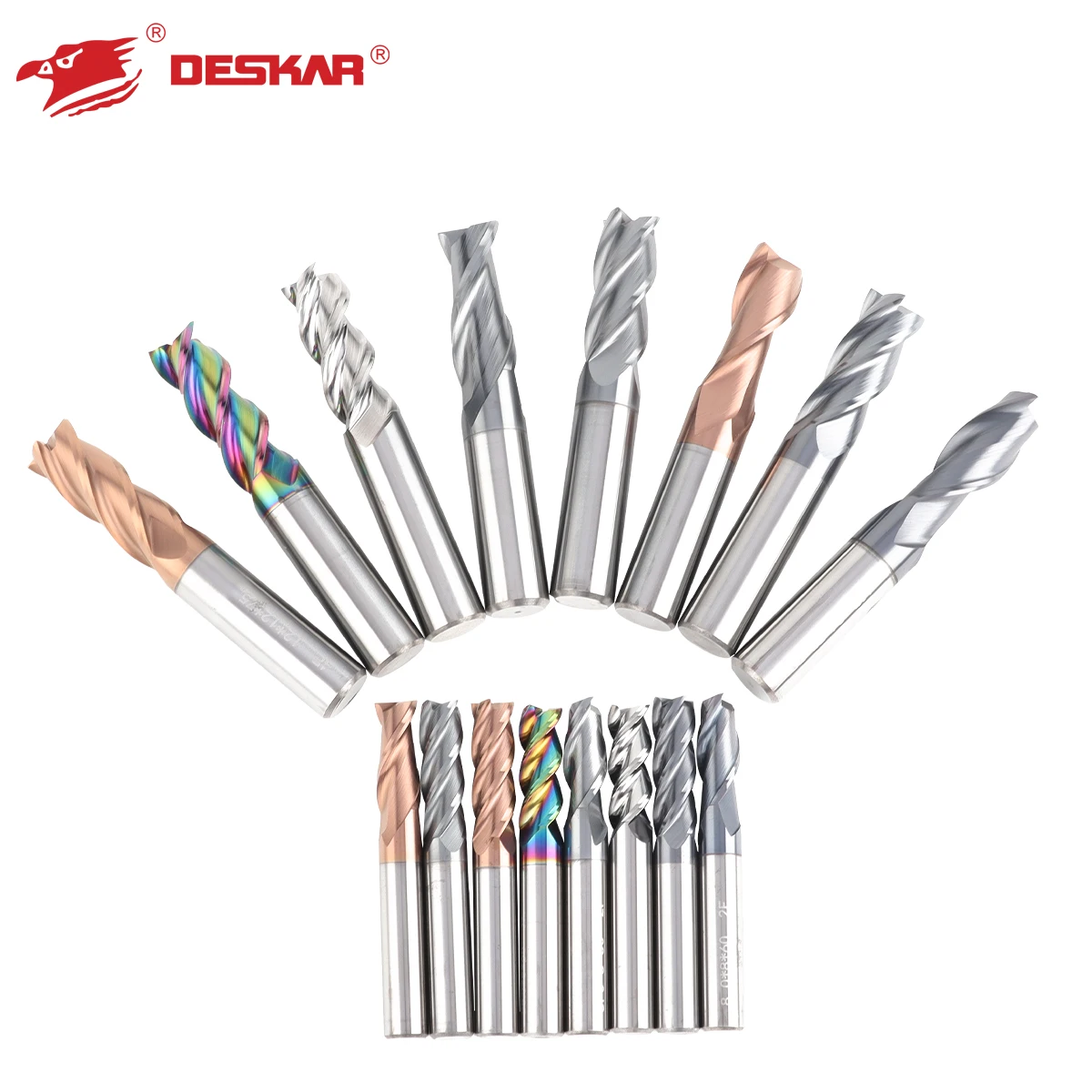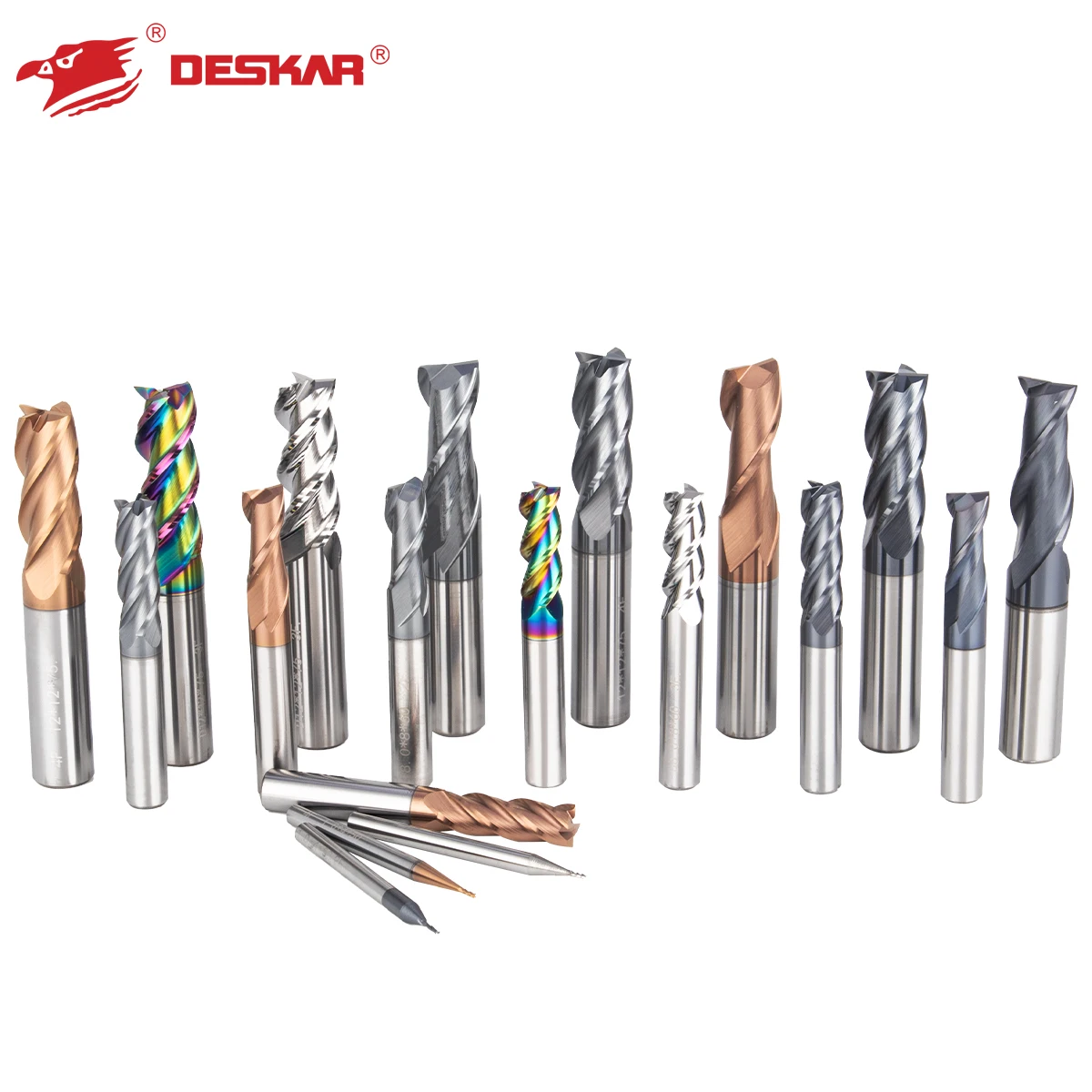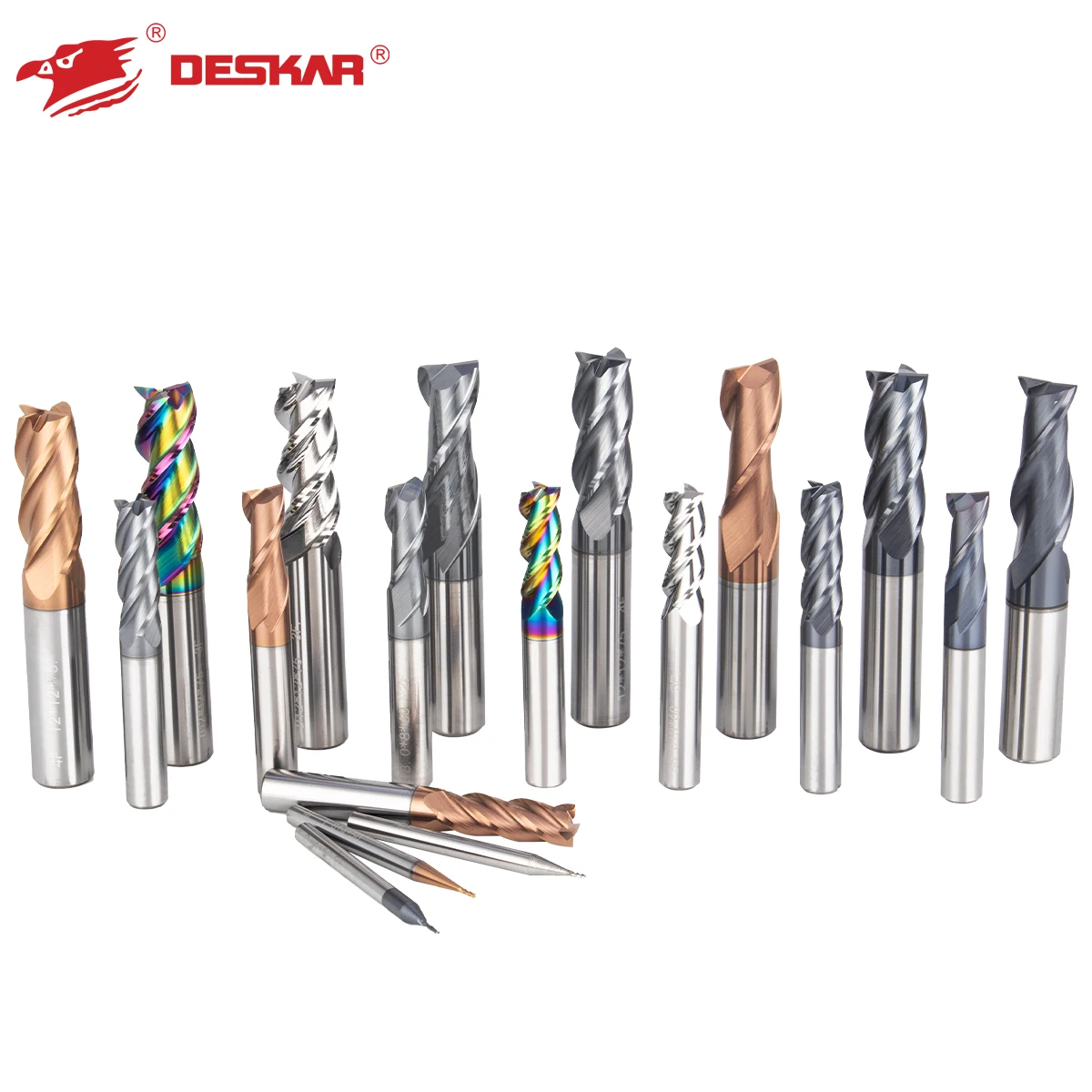
When you’re working with metal, the right tools matter. One helpful tool is a 12mm end mill. But exactly what is a 12mm end mill and how will it make metalworking easier for you? In this essay, we are going to take a sideway look at why a 12mm end mill is good and a few tips as to how to use it. We will also discuss how to choose a 12mm end mill that will work best for your type of milling and dive deeper into how the end mill itself is built and works.
An end mill 12mm is a type of tool used to remove material from a workpiece. It is a common tool in metalworking, but can be applied to materials such as wood and plastic. One good reason to use a 12mm end mill is that it allows you to make very accurate cuts. It’s particularly important when you are doing projects that must fit together snugly.
Some suggestions if you are doing it with a 12mm end mill. A good rule of the thumb is to get a sharp end mill. A dull endmill will cut badly, and it’ll even hurt work you’ve already completed. Make sure you’re using the correct speed and feed for the material you are cutting, too. That will prevent the end mill from getting too hot and you’ll be much happier with the results.
Cut the fabric in several passes Another excellent method is to cut it in a few passes in the material. This gets you the nicer finish and doesn’t overtax the end mill. The end mill type matters too Make sure to select the right end mill type for the material you are working on as well. End mills come in a variety of types, so it’s important to choose the right one for your application.
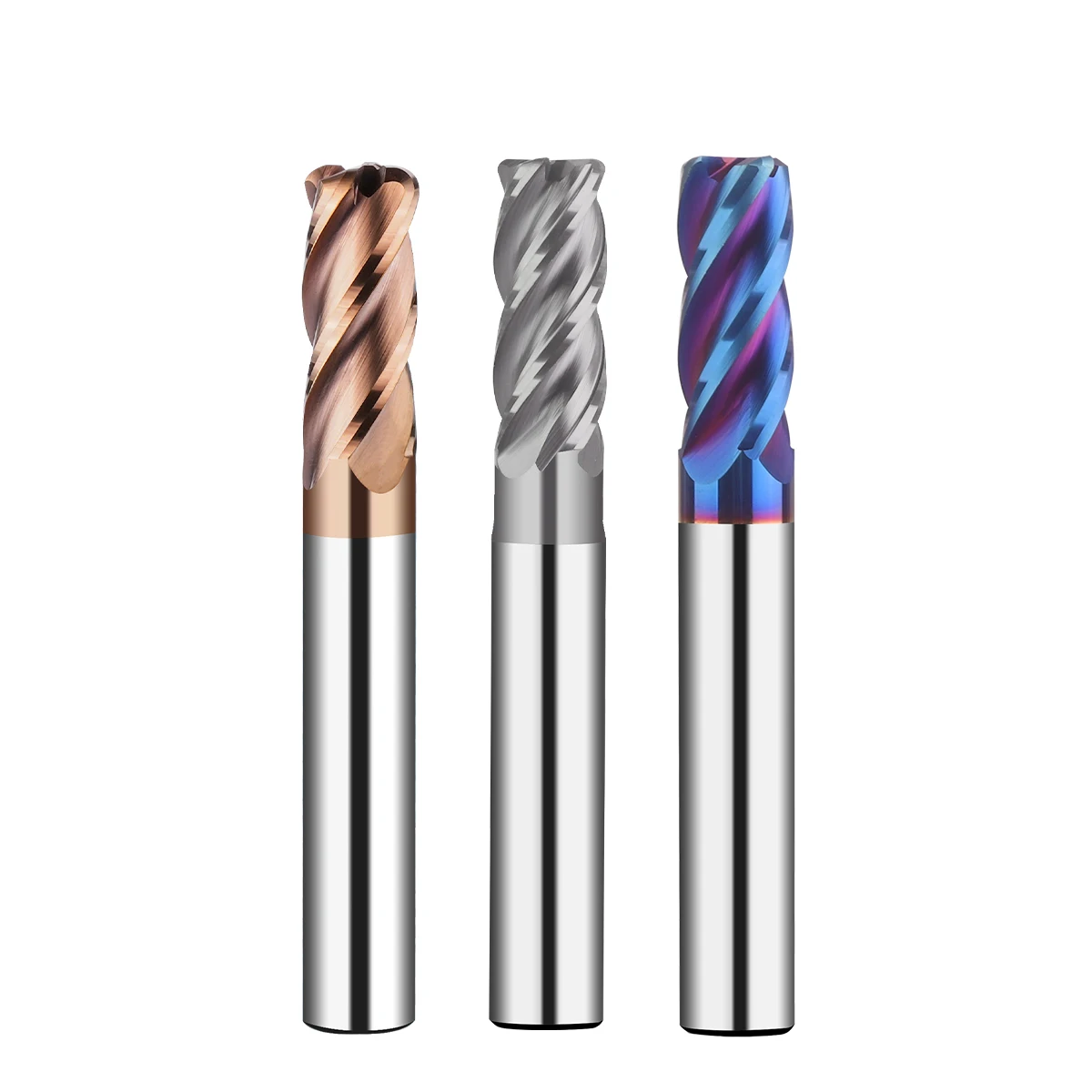
What’s more, consider the cuts you need to make. If you’re going to be making deep cuts, you could need an end mill with more length of flute. You can use one with a shorter flute length if you have relatively shallow cuts. Also, consider the coating of the end mill. Coated end mills are often more durable, and can provide better run times than uncoated end mills.
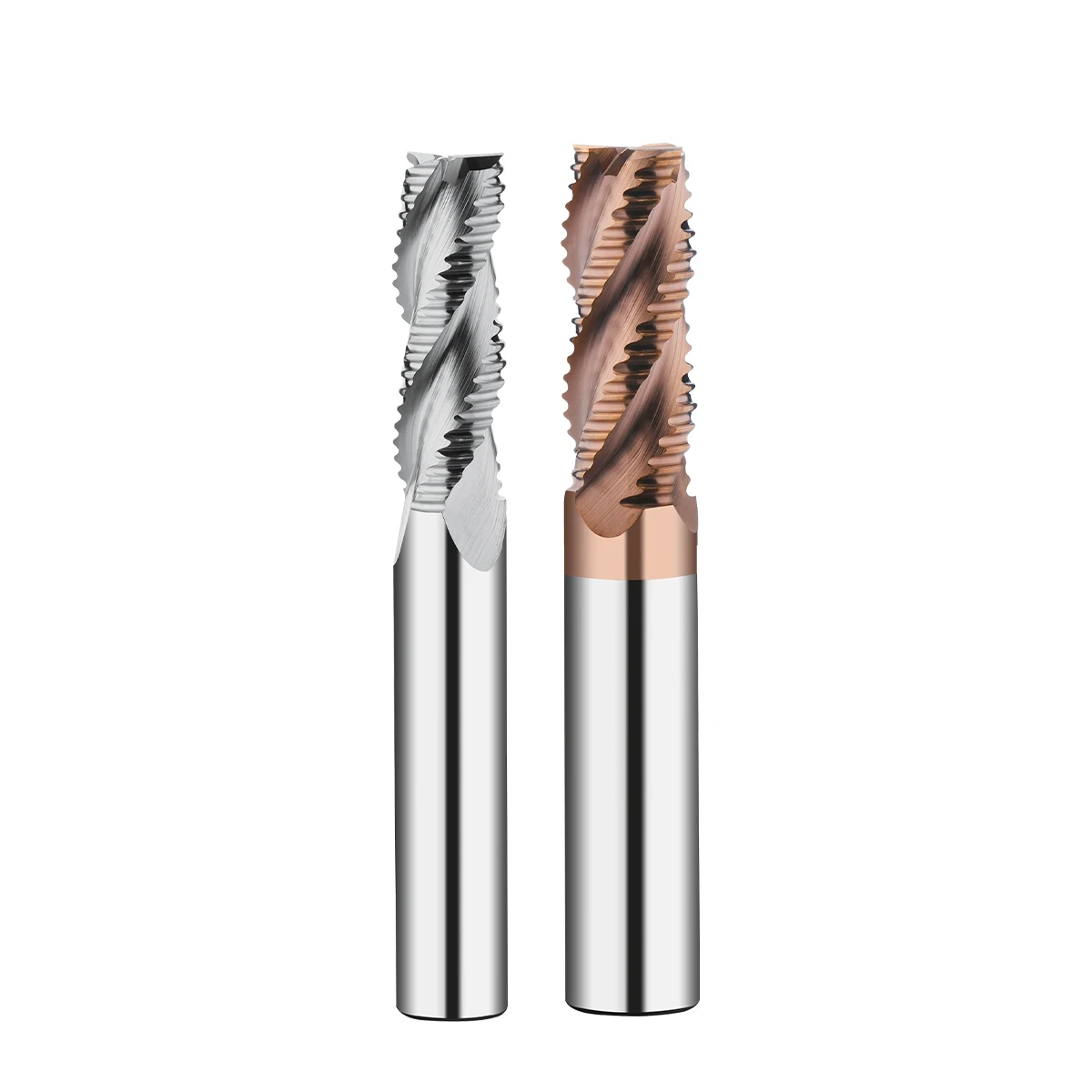
One great thing about a 12mm end mill is that you can use it for so many things in metals. It is on roughing and finishing. The 12mm size is a good bet because it enables you to rip through material fast, while still being precise. A 12 mm end mill applies slot cutting, profiling, and contouring as an example of fixed geometry milling. It’s also good for facing and pocketing.
Such a 12mm endmill is generally produced from HSS or carbide. High-speed steel end mills are cheaper, but do not last as long as carbide end mills. Carbide end mills are more expensive but incredibly strong and perform better. 123#16].- The designing of a 12mm end mill can contain 3 features, such as number of flutes, helix angel and flute length [see Fig. Different blade designs are optimal for different cutting jobs.